Kano, Kaduna Strengthen Sanitary Inspection to Improve Environmental Hygiene
By Atlantic Reports
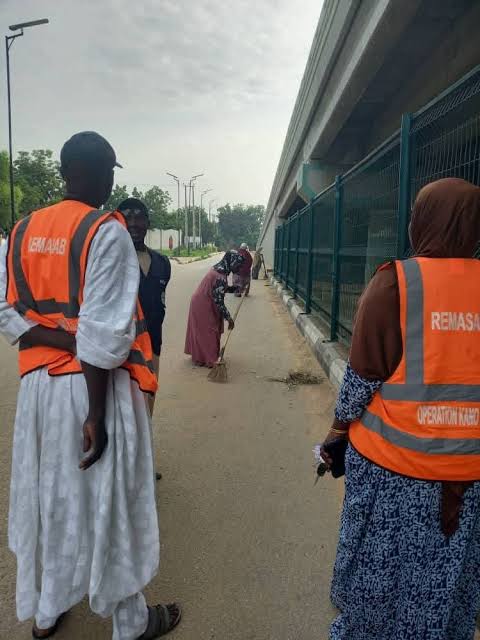
The Kano State Refuse Management and Sanitation Board (REMASAB) has described the restoration of sanitary inspection as an important step towards improving environmental sanitation and protecting public health.
The board's Public Relations Officer, Abubakar Ahmad, disclosed this in an interview in Kano on Wednesday, explaining that the state government had reviewed the Kano State Refuse Management and Sanitation Board Law No. 7 of 2003.
According to him, the review is intended to modernise environmental sanitation management and strengthen the board's capacity to address emerging environmental challenges.
Ahmad said the revised law would strengthen the board's legal powers, improve operational efficiency, enhance enforcement of sanitation regulations and promote sustainable waste management practices.
He described the development as part of efforts to strengthen public institutions and advance the state's commitment to a cleaner and healthier environment.
Kano Sustains Sanitation Enforcement
Ahmad explained that REMASAB conducts monthly environmental sanitation enforcement exercises to ensure compliance with established regulations.
He said the board would sustain its enforcement activities and public enlightenment campaigns to encourage residents to maintain clean surroundings and adopt responsible waste disposal practices.
He reaffirmed the board's commitment to protecting public health, promoting environmental responsibility and improving waste management across the state.
The spokesperson urged residents to support government sanitation initiatives by keeping their homes, business premises and surroundings clean.
He stressed that maintaining environmental cleanliness required collective responsibility from all members of society.
Professor Calls for Stronger Waste Monitoring
Also speaking, a Professor of Urban and Regional Planning at Bayero University, Kano, Prof. Aliyu Barau, said restoring sanitary inspection would significantly improve hygiene across the state.
Barau, however, cautioned that inspectors might encounter difficulties conducting house-to-house inspections, making extensive public awareness campaigns necessary to educate households on sanitation and personal well-being.
He called for regular inspections of business premises, streets and areas occupied by petty traders, particularly where indiscriminate waste disposal increases the burden on government sanitation services.
According to him, sanitary inspectors should help identify and track sources of improperly discarded waste to ensure that individuals and businesses take responsibility for the waste they generate.
He also advised the government to introduce incentives to reward residents and organisations that contribute to effective waste management.
Kaduna Reintroduces House-to-House Inspection
Meanwhile, an Assistant Director of Environment at the Kaduna State Environmental Agency (KEPA), Mrs Kabadiya Dawuda, said the Kaduna State Government had reintroduced sanitary inspection across the state alongside its monthly environmental sanitation exercise.
Dawuda explained that sanitary inspectors, including local government personnel, were conducting house-to-house inspections to ensure proper disposal of both liquid and solid waste.
The inspections are intended to improve household sanitation and strengthen compliance with environmental health regulations.
Enforcement and Public Participation Key to Success
The developments in Kano and Kaduna reflect renewed attention to sanitary inspection as part of efforts to address poor waste disposal and environmental health risks.
However, effective implementation will depend on adequate staffing, clear enforcement procedures, public awareness and the availability of reliable waste collection and disposal services.
For residents and businesses, the return of sanitary inspections also raises the importance of knowing their responsibilities under applicable environmental regulations.
Ultimately, sustainable sanitation requires more than periodic enforcement exercises. It depends on consistent monitoring, accessible waste management infrastructure and cooperation between government authorities, businesses and communities.
Atlantic Reports: Voices. People. Facts.
Written by
Atlantic Reports Admin
Comments
- Be the first to comment.