Kano Targets More Than 2 Million Children for Immunisation in New Health Campaigns
By Atlantic Reports
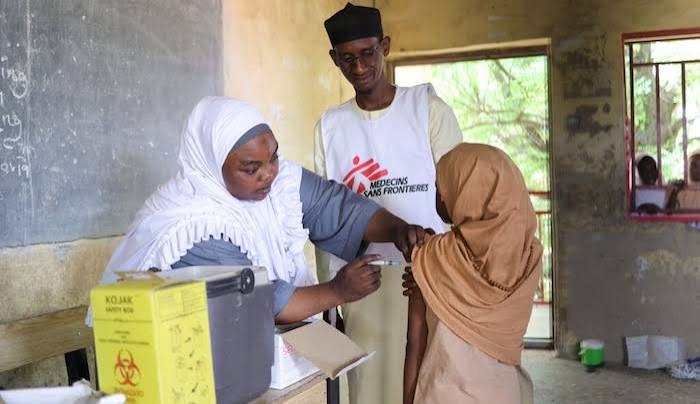
The Kano State Government has announced plans to reach more than two million children aged between one and 59 months with immunisation and other essential healthcare services under two ongoing public health campaigns.
The initiative combines the fourth round of the Seasonal Azithromycin Distribution for the Reduction of Mortality in Nigeria (SARMAAN II) campaign with the second round of the 2026 Maternal, Newborn and Child Health (MNCH) Week.
The Commissioner for Health, Dr Abubakar Labaran, announced the target on Saturday, November 21, 2026, during the official flag-off ceremony in Kano.
He said the campaigns were part of the state government's efforts to improve access to essential healthcare, particularly for pregnant women, newborns and young children.
Campaign targets preventable childhood diseases
Labaran explained that the second round of the 2026 MNCH Week would run for seven days, providing children across the state with immunisation against various preventable diseases.
He specifically urged parents and caregivers to ensure their children received the recommended vaccinations, including protection against diphtheria.
The commissioner encouraged families to visit designated healthcare facilities and community outreach centres to access the services.
He said the government was working to bring essential healthcare closer to residents, particularly those in communities with limited access to medical facilities.
SARMAAN II introduces preventive treatment
Under the SARMAAN II programme, the state has introduced preventive treatment using Azithromycin, which is administered once monthly.
According to Labaran, available data indicate a reduction in child mortality in some local government areas following the implementation of the intervention.
However, he did not provide specific mortality figures or identify the local government areas where the reported reductions were recorded.
Further data would be necessary to establish the scale of the reported improvement and assess the intervention's overall impact.
Birth registration and maternal health education included
Beyond immunisation, the seven-day MNCH exercise will also provide opportunities for birth registration and community education on maternal healthcare.
Labaran expressed concern that only 54.6 per cent of children in Kano State had been registered.
He urged parents and caregivers to take advantage of the campaign to obtain birth registration certificates and National Identification Numbers for their children.
The commissioner said proper documentation was important for children's identity, access to essential services and future opportunities.
Health workers will also sensitise communities on the importance of antenatal care, encouraging pregnant women to attend regular medical appointments during pregnancy.
Government seeks support from traditional and community leaders
Labaran called on local government authorities, traditional rulers, religious leaders, development partners and the media to support the campaigns through public awareness and community mobilisation.
He also emphasised the need for timely distribution of medical supplies and effective monitoring to ensure that underserved communities were not excluded.
The commissioner acknowledged the support of the Gates Foundation, Sightsavers, HANS and eHealth Africa for SARMAAN II.
He also recognised the contributions of UNICEF, Trussh International, JHPIEGO, Evidence Action, International Medical Corps and the National Population Commission to the MNCH Week.
Reaching children beyond the campaign
The two campaigns place immunisation, preventive healthcare, birth documentation and maternal health education at the centre of Kano's efforts to improve child health.
Reaching more than two million children will require effective coordination among healthcare workers, local authorities and community leaders, particularly in rural and underserved settlements.
The reported reduction in child mortality under SARMAAN II also highlights the importance of transparent health data to establish which interventions are producing measurable results.
Ultimately, the success of the exercise will depend not only on the number of children reached but also on sustained access to essential healthcare services beyond the seven-day campaign.
Atlantic Reports: Voices. People. Facts.
Written by
Atlantic Reports Admin
Comments
- Be the first to comment.