Kebbi Police Warn Against Highway Blockades After Three-Hour Disruption on Sokoto Road
By Atlantic Reports
The Kebbi State Police Command has warned against further blockades of the Kebbi-Sokoto Federal Highway after youths reportedly obstructed the busy road for approximately three hours on Friday, October 9, 2026.
The incident marked the second reported disruption along the highway in less than three weeks, following a similar blockade on September 23.
In a statement issued in Birnin Kebbi, the command's spokesperson, Superintendent of Police Bashir Usman, said the latest obstruction prevented motorists, travellers and other road users from moving freely.
He expressed particular concern about the implications for people requiring emergency medical attention, warning that such disruptions could endanger lives and create opportunities for criminal activity.
The police described the blockade as unacceptable and cautioned that future incidents could result in investigations and prosecution.
Three-Hour Blockade Raises Public Safety Concerns
According to the police, Friday's incident disrupted vehicular movement for about three hours, affecting people travelling along the federal highway.
The Kebbi-Sokoto route serves motorists and commercial transport operators moving between communities in the two states.
Prolonged disruption of such a road can affect business activities, delay the transportation of goods and restrict access to essential services.
For people travelling to hospitals or responding to medical emergencies, unexpected road closures can present particularly serious risks.
Usman said the command was concerned that blocking public highways could also create security vulnerabilities.
However, the police statement did not disclose the specific grievances behind Friday's action, the number of people involved or whether any arrests had been made.
It also did not establish whether the same individuals participated in the September 23 blockade.
Police Urge Youths to Seek Lawful Channels
The command advised aggrieved residents to express their concerns through established community and government channels rather than obstructing public roads.
“The command hereby urges aggrieved persons to channel their grievances through lawful means, including elected representatives, traditional rulers and the Police Community Relations Committee (PCRC), rather than obstructing public highways,” Usman said.
The police maintained that residents had alternative avenues for raising complaints and seeking intervention from relevant authorities.
These include engagement with political representatives, traditional institutions and community policing structures.
The warning also highlights the need for authorities to understand and address the concerns that prompted the repeated demonstrations.
Although the statement focused on the consequences of the blockades, it provided no explanation of the protesters' demands or whether previous efforts had been made to resolve their grievances.
Commissioner Warns of Possible Prosecution
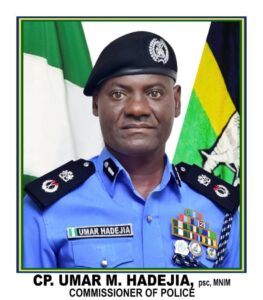
The Commissioner of Police in Kebbi State, Umar Hadejia, warned that the command would take legal action against individuals found responsible for future unlawful highway obstructions.
Speaking through the police spokesperson, Hadejia said organisers and participants could face investigation and prosecution in accordance with applicable laws.
“The command will henceforth not tolerate any blockage of roads under any guise,” he declared.
He appealed to residents to respect the rights of other citizens and avoid conduct capable of disrupting the movement of people and goods.
The commissioner also urged parents and guardians to discourage their children and wards from participating in unlawful activities.
He reaffirmed the command's commitment to maintaining public safety and protecting lawful road users.
Any enforcement action must nevertheless comply with due process and respect constitutionally protected rights, including the rights to peaceful assembly and expression.
Balancing Protest Rights With Public Safety
The incidents raise broader questions about how authorities can protect the right to peaceful protest while ensuring that demonstrations do not endanger other members of the public.
Peaceful assembly and freedom of expression are protected under Nigeria's Constitution, but the exercise of those rights must also take account of public safety and the rights of others.
Blocking a major highway for several hours can have consequences for people who are not involved in a protest, particularly patients, traders, transport workers and travellers.
At the same time, repeated demonstrations may indicate unresolved grievances requiring attention from government officials and community leaders.
The police statement did not explain what triggered the September 23 and October 9 incidents, leaving an important aspect of the dispute unclear.
Establishing the reasons for the protests would help determine whether dialogue, administrative intervention or other measures could prevent further disruptions.
Residents Await Lasting Resolution
With two highway blockades reported within a short period, attention now turns to whether security agencies and local authorities can prevent further incidents without escalating tensions.
The police have made their position clear, but enforcement alone may not resolve the underlying concerns of those involved.
A sustainable response would require identifying the grievances, engaging affected communities and ensuring that legitimate complaints receive appropriate attention.
For motorists, transport operators and residents who depend on the Kebbi-Sokoto Federal Highway, the immediate priority remains safe and uninterrupted movement.
For the authorities, the challenge is to maintain public order while preserving lawful avenues through which citizens can make their voices heard.
Atlantic Reports: Voices. People. Facts.
Written by
Atlantic Reports Admin
Comments
- Be the first to comment.