Kingibe Calls for Domestic Healthcare Funding, Stronger Laws to Close Nigeria’s Health Gaps
By Atlantic Reports
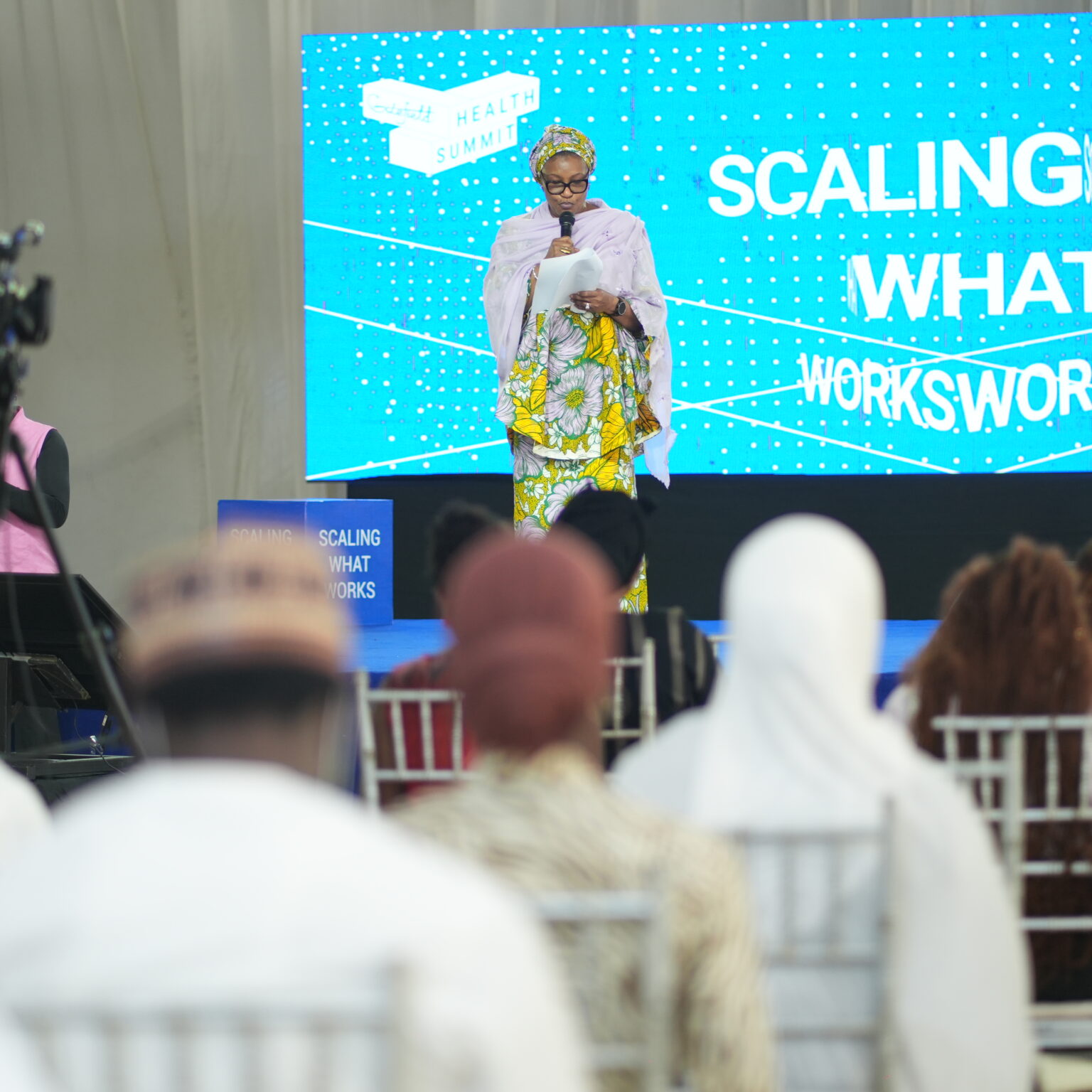
Senator Ireti Kingibe has called for sustainable domestic financing and stronger legislative intervention to address healthcare deficits in Nigeria and other African countries, warning that successful innovations must move beyond prototypes to reach more people.
Kingibe made the appeal on Thursday in Abuja at the 2026 Gatefield Health Summit, which brought together policymakers, healthcare professionals and other stakeholders to discuss ways to build resilient, equitable and locally driven health systems across Africa.
She urged stakeholders to close the gap between developing healthcare solutions and implementing them at scale by mobilising domestic capital, technical expertise and legislative support.
“Let us commit to breaking down the silos between innovation and implementation. Let us direct our capital, our technical expertise and our legislative will towards rigorous, measurable scaling of what works,” she said.
Kingibe said collaboration among policymakers, healthcare professionals and innovators was necessary to expand access to quality medical services and improve health outcomes across the continent.
Domestic funding key to sustainable healthcare
The senator’s call places local financing at the centre of efforts to reduce dependence on donor support and strengthen the long-term sustainability of healthcare systems.
While external assistance can help fund health programmes, sustainable domestic financing can give governments greater control over priorities and support continuity when donor funding changes.
However, increased funding alone may not resolve persistent healthcare gaps. Effective spending, transparent procurement, adequate staffing, reliable facilities and measurable service outcomes are also essential.
Kingibe urged stakeholders to support innovations that have demonstrated value and establish mechanisms for assessing their effectiveness as they expand.
AI could strengthen disease surveillance
The summit also examined the potential of technology and artificial intelligence (AI) to improve healthcare delivery, disease surveillance and health financing across Africa.
Shina Arogundade, co-founder of digital healthcare provider MyItura, said AI-enabled platforms and data-driven solutions could help public health authorities analyse health trends, anticipate disease outbreaks and assess climate-related health risks.
He stressed, however, that the technologies needed proper validation and integration into national public health systems, with appropriate ethical safeguards.
Arogundade also called for clear frameworks governing AI and intellectual property to ensure technological advances benefited underserved and marginalised communities.
“Healthcare is mostly run by the public sector, so government engagement is necessary to scale AI in the health sector,” he said.
His remarks highlighted the importance of government involvement in assessing technologies, setting standards and determining how digital health systems can be deployed responsibly.
Technology must support healthcare workers
Stakeholders at the summit said digital innovations could help address challenges such as shortages of medical personnel and limited access to essential health services, particularly in underserved communities.
They noted that technology could support healthcare professionals and strengthen service delivery while efforts continued to train more doctors and other medical workers.
AI and digital platforms may assist with tasks such as identifying patterns in health data, supporting remote consultations and improving administrative efficiency. Their practical value will depend on data quality, reliable connectivity, patient privacy, adequate training and appropriate clinical oversight.
Technology cannot independently resolve shortages of trained personnel or replace the need for accessible, properly equipped health facilities.
Turning innovation into measurable results
Convened by Gatefield, the summit focused on partnerships and policy solutions to improve healthcare delivery and secure sustainable financing across Africa.
The discussions highlighted a central challenge for health systems: ensuring that promising innovations become accessible services rather than remaining limited to pilot projects.
For Nigeria, progress will depend on sustained domestic investment, clear regulatory frameworks and transparent evaluation of healthcare programmes. Demonstrating which interventions improve access, reduce costs and produce better health outcomes will be essential to directing limited resources towards solutions that work.
Atlantic Reports: Voices. People. Facts.
Written by
Atlantic Reports Admin
Comments
- Be the first to comment.