Kogi: Sightsavers Donates 480 White Canes to Support Visually Impaired Persons
By Atlantic Reports
Efforts to improve mobility, independence and social inclusion for persons with visual impairments in Kogi State have received a boost following the donation of 480 white canes by Sightsavers, an international non-governmental organisation.
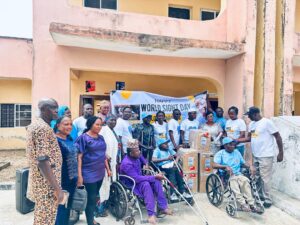
The assistive devices were presented through the Kogi State Board for Persons with Disabilities as part of activities marking the 2026 World Sight Day celebration in Lokoja on Friday.
The State Commissioner for Health, Dr Adeiza Abdulazeez, commended Sightsavers for its continued partnership with the government in promoting eye health and supporting residents living with visual impairments.
Represented by the ministry's Permanent Secretary, Mr Maji Enoch, the commissioner described the donation as an important contribution towards improving the everyday lives of people who face mobility and accessibility challenges.
He reaffirmed the ministry's commitment to strengthening its collaboration with development partners to expand access to essential eye care services across the state.
White Canes to Promote Independence and Safer Mobility
White canes are essential mobility aids that enable blind and visually impaired persons to detect obstacles, identify changes in walking surfaces and navigate their surroundings with greater confidence.
Beyond their practical function, the devices also serve as internationally recognised symbols of visual impairment, helping other road users and members of the public recognise when a person may require additional consideration.
For beneficiaries, access to appropriate mobility aids can make a meaningful difference in everyday activities, including travelling to school, accessing healthcare, attending work and participating in community life.
The donation is particularly significant for individuals who cannot readily afford assistive devices or access specialised mobility support.
However, the long-term benefits will also depend on appropriate cane selection, orientation and mobility training, and the accessibility of public spaces.
Distribution Scheduled for October 15
Receiving the devices, the Executive Secretary of the Kogi State Board for Persons with Disabilities, Mr Abulhakeem Yakubu, expressed appreciation to Sightsavers and the Ministry of Health for their continued support.
Yakubu announced that the 480 white canes would be distributed to eligible beneficiaries during the 2026 White Cane Day celebration scheduled for October 15.
According to him, the intervention is expected to improve mobility, promote independence and enhance the quality of life of recipients.
“This donation will help improve mobility, independence and living standard of the beneficiaries,” he said.
He also commended Governor Ahmed Ododo for his administration's support for the board and its efforts to address the needs of persons with disabilities.
Yakubu reaffirmed the board's commitment to promoting disability inclusion and ensuring that persons with disabilities have opportunities to participate meaningfully in society.
The board did not provide details of the eligibility criteria, geographical distribution of beneficiaries or whether recipients would receive practical training in the use of the canes.
These considerations will be important in ensuring that the devices reach those most in need, including visually impaired residents in rural and underserved communities.
World Sight Day Campaign Promotes Early Detection and Eye Care
As part of the commemoration, the Kogi State Ministry of Health's Eye Care Programme, working with the Kogi chapter of the Ophthalmological Society of Nigeria, organised an awareness campaign to encourage residents to prioritise their eye health.
The sensitisation activities, held under the theme “Love Your Eyes”, emphasised the importance of regular eye examinations, early detection of visual problems and appropriate medical attention.
Health officials encouraged residents to seek professional eye care rather than waiting until visual difficulties become severe.
Regular eye examinations can help identify conditions such as cataracts, glaucoma and other eye disorders that may threaten vision if left untreated.
While some causes of visual impairment can be prevented or treated through timely medical intervention, others require long-term rehabilitation, assistive technology and accessible support services.
The donation of white canes therefore addresses a different but equally important aspect of eye health: helping people with existing visual impairments live more independently.
Beyond Donations: Building an Inclusive Society
Although the provision of 480 mobility aids represents a practical intervention, disability inclusion requires sustained attention to the barriers that prevent people with visual impairments from participating fully in society.
Unsafe pedestrian routes, inaccessible public buildings, limited access to specialised education and inadequate transport arrangements can restrict independence even when mobility devices are available.
For residents in rural communities, the challenges may be compounded by long distances to healthcare facilities and limited access to rehabilitation services.
Improving these conditions requires coordinated action involving government institutions, healthcare providers, educational authorities, transport operators and organisations representing persons with disabilities.
The Kogi State Board for Persons with Disabilities will also have an important role in ensuring that the distribution process is transparent and responsive to beneficiaries' needs.
Sustaining the Partnership for Better Eye Health
The Ministry of Health described Sightsavers as a valued development partner whose activities have contributed to efforts to improve eye care and prevent avoidable blindness.
The commissioner pledged continued collaboration with the organisation to strengthen healthcare delivery and expand access to essential services.
However, the number of people who have benefited from previous interventions, the scale of unmet demand for mobility aids and the availability of follow-up support were not disclosed.
As Kogi prepares for the October 15 distribution, attention will turn to how beneficiaries are selected, whether the devices are suited to individual needs and what additional measures are available to support safe and independent movement.
For visually impaired residents, the value of the initiative will ultimately be measured not only by the number of canes distributed, but by the opportunities they create for greater independence, dignity and participation in everyday life.
Atlantic Reports: Voices. People. Facts.
Written by
Atlantic Reports Admin
Comments
- Be the first to comment.