Kogi Trains 300 Butchers, Abattoir Workers on Meat Hygiene and Safety
By Atlantic Reports
The State Project Coordinator, Mr Abdulkabir Otaru, disclosed this on Thursday during the training in Lokoja, saying the initiative reflected the state government's commitment to protecting meat consumers and processors.
He said the training targeted butchers, meat sellers, abattoir and sanitation workers, as well as veterinary officers across the state.
According to Otaru, 100 participants would be trained from each of the three senatorial districts: Kogi West, Kogi Central and Kogi East.
“We are building the capacity of butchers, meat sellers, abattoir workers, sanitation and veterinary officers on meat hygiene, safety and sanitation.
“Before now, Kogi L-PRES has constructed eight model slaughter houses and eight wet markets across the state. Some have been completed while others are at advanced stages.
“We want to ensure the direct beneficiaries that will utilise these facilities have the capacity to maintain them and ensure that meat consumed by the public is standard, safe and hygienic,” he said.
Eight Model Slaughterhouses and Wet Markets Developed
Otaru explained that the L-PRES project was committed to improving food safety through the One Health Concept, which recognises the interconnectedness of human, animal and environmental health.
He disclosed that the project had constructed eight model slaughterhouses and eight wet markets, while also rehabilitating and upgrading nine livestock markets across the state.
He said the facilities were designed to improve livestock processing, sanitation and meat handling standards.
The coordinator added that the 300 participants were being trained under a Trainers-of-Trainers (ToT) arrangement, requiring each trainee to extend the knowledge acquired to at least 10 people within their respective livestock value chain clusters.
This approach, he said, would expand the programme's reach beyond the initial participants.
L-PRES Targets 30,000 Direct Beneficiaries
Otaru disclosed that the six-year World Bank-supported project, currently in its fourth year, had supported more than 27,000 beneficiaries across Kogi with livestock farm inputs.
He expressed confidence that the project would meet and surpass its target of 30,000 direct beneficiaries before its scheduled completion in 2028.
He commended Governor Ahmed Ododo for providing political support and consistently paying counterpart funds towards the implementation of the project.
Experts Emphasise Inspection and Occupational Safety
The Lead Facilitator and Managing Director of Bridge Agrocare Solutions, Dr Majeed Baje, said the training covered ante-mortem and post-mortem inspections, stakeholder responsibilities and the enforcement of standard operating procedures in abattoirs.
He urged participants to apply the knowledge gained in their daily operations, stressing that personal hygiene and occupational safety were essential to ensuring safe meat for public consumption.
Similarly, the Chairman of the Nigerian Veterinary Medical Association (NVMA), Kogi State Chapter, Dr Tolu Omotugba, commended the improvements at the Lokoja abattoir, which he said had previously faced poor hygiene conditions.
Omotugba also praised the state government and Kogi L-PRES for providing the facility, urging butchers to cooperate with meat inspectors and allow regular inspections in the interest of public health.
The Chairman of the Kogi Butchers Union, Alhaji Idi Ibrahim, expressed appreciation to Governor Ododo for fulfilling his promise to construct the model slaughterhouse and wet market.
Ibrahim said the union had put measures in place to manage and preserve the facility, adding that its members would implement the lessons acquired during the training.
Practical Sessions to Reinforce Hygiene Standards
The training, organised in partnership with Bridge Agrocare Solutions, began on Monday and is scheduled to end on Saturday.
Facilitators have presented modules covering meat hygiene, the One Health Concept, personal hygiene, occupational safety, zoonotic diseases, meat-borne infections and environmental sanitation.
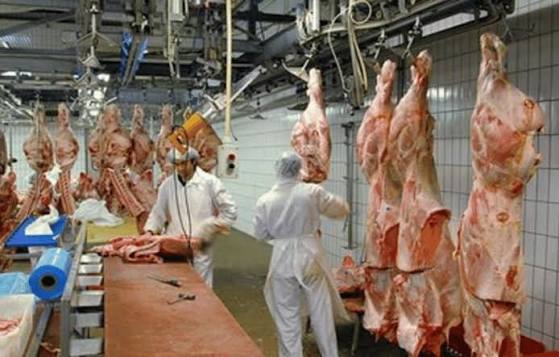
The programme will also feature practical sessions at the newly constructed Model Slaughterhouse at the Lokoja Main Abattoir, Felele, where participants will receive demonstrations on hygienic practices at different stages of meat processing.
The initiative highlights the importance of combining modern slaughter facilities with trained personnel, effective meat inspection and consistent sanitation practices to protect consumers and strengthen Kogi's livestock value chain.
Atlantic Reports: Voices. People. Facts.
Written by
Atlantic Reports Admin
Comments
- Be the first to comment.