Lagos Rice Prices Diverge as Some Households Find Relief, Others Pay More
By Atlantic Reports
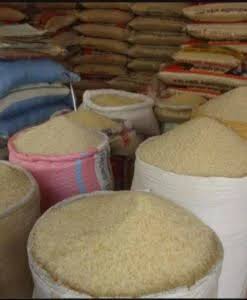
Rice prices are moving in different directions across Lagos markets, with reductions in some varieties offering households relief while increases in other brands keep food budgets under pressure.
Consumers and traders interviewed on Sunday reported contrasting prices in Costain, Ikotun, Idumota and other locations. Their accounts reflect prices at individual outlets rather than a uniform trend across the state.
At Okerube Bus Stop in Ikotun, rice trader Daniel Nwachukwu said a 50kg bag of agric rice, including People’s Choice, sold for about ₦55,000, down from between ₦60,000 and ₦65,000 during July to September.
He said customers had welcomed the reduction and hoped it would continue as the festive season approached.
Lower Prices, but Household Pressure Persists
On Vaughan Street in Costain, consumer and fashion designer Chioma Chigozie said a derica measure of My Choice rice now cost between ₦1,000 and ₦1,100, compared with ₦1,300 to ₦1,500 previously.
She said the price had reached ₦2,000 at its peak.
Although the reduction had eased some pressure on her household, Chigozie said rice remained expensive relative to purchasing power. Her family had reduced consumption to manage other expenses.
At Eko Idumota, food seller Precious John said a price reduction in August had encouraged customers to buy more rice, bringing some relief to buyers and sellers.
She expressed hope that further reductions would improve affordability and support sales.
Other Brands Record Increases
The picture was different at another outlet in Costain.
Samuel Igwe, a foodstuff trader on Oroku Street, said 50kg bags of BHOG and Yummy Gold rice had increased from between ₦56,000 and ₦57,000 during July to September to between ₦61,000 and ₦62,000.
He said Cap Rice now cost between ₦70,000 and ₦77,000, up from ₦60,000 to ₦65,000, adding that the variety had become scarce.
Other varieties, including Nigerian rice, Three Brothers, African Choice and Elephant Gold, had risen from about ₦48,000 to between ₦54,000 and ₦55,000 per 50kg bag, according to Igwe.
At Ebutero Korodom Market, a trader identified as Kehinde also reported renewed increases after an earlier decline, attributing the movement to scarcity and high demand.
Another trader at the market, who was not named, said Big Bull rice had risen from about ₦55,000 in August to ₦58,000. The trader also reported increases in My Choice and Mr Rice from about ₦53,000 to ₦60,000 per bag.
The differing accounts for My Choice underline the importance of location, pack size and the period being compared when assessing changes in retail prices.
Farmers Seek Support to Reduce Costs
The Lagos State Chairman of the Rice Farmers Association of Nigeria, Raphael Hunsa, said lower retail prices would not necessarily harm farmers if production costs also declined.
He explained that prices could move with input costs and market conditions, and called for government support through tractors and agricultural inputs to improve efficiency.
Igwe attributed earlier reductions to newly harvested rice reaching the market and an inflow of rice through the borders. These were his explanations for the price changes, rather than independently established causes.
For households, the immediate experience remains uneven. Some buyers can obtain cheaper varieties, while others face higher bills for their preferred brands or must switch products and reduce consumption.
Atlantic Reports: Voices. People. Facts.
Written by
Atlantic Reports Admin
Comments
- Be the first to comment.