Lagos Strengthens Ebola Surveillance After Imported Case in Abuja
By Atlantic Reports
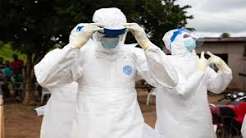
The Lagos State Government has reaffirmed its readiness to prevent, detect and respond to potential Ebola threats, urging residents to remain calm, vigilant and guided by verified health information.
The Commissioner for Health, Prof. Akin Abayomi, gave the assurance in a statement on Sunday following confirmation of an imported case of Ebola Bundibugyo virus in Abuja.
Abayomi said there was no confirmed Ebola case in Lagos, adding that the state was strengthening its surveillance systems and public health response measures to improve early detection and preparedness.
Airport Screening and Surveillance Intensified
According to the commissioner, the Lagos State Ministry of Health, through its Directorate of Epidemiology, Biosecurity and Global Health, is strengthening disease surveillance, risk communication and community engagement.
The state is also working with agencies operating at points of entry, including the Murtala Muhammed International Airport (MMIA), to improve the detection and management of suspected cases.
Abayomi said the ministry had conducted a strategic engagement and assessment involving airport management, Port Health Services and other aviation and public health stakeholders.
The engagement focused on passenger screening, information sharing, infection prevention and control, and coordination of emergency response measures.
The government is also intensifying public enlightenment through educational materials explaining Ebola symptoms, transmission routes and prevention measures.
How Ebola Spreads and Its Symptoms
Ebola Virus Disease is a severe illness that can be fatal. It spreads primarily through direct contact with the blood or other body fluids of an infected person who is showing symptoms, contaminated materials, or the bodies of people who have died from the disease. Infection can also occur through contact with infected animals.
Abayomi said symptoms could develop between two and 21 days after exposure.
Symptoms include fever, severe weakness, headache, muscle pain, sore throat, vomiting, diarrhoea and abdominal pain. Unexplained bleeding or bruising may occur in some cases.
The commissioner warned that early symptoms could resemble malaria and other common illnesses, making prompt medical assessment important, particularly where there may have been exposure to the virus.
“Residents who become unwell, particularly after possible exposure or travel from an area with active transmission, should seek prompt medical assessment,” he said.
Residents Advised Against Self-Medication
As part of Lagos State’s fever-management policy, Abayomi advised residents with fever to undergo a malaria rapid diagnostic test before taking antimalarial medicines.
Where the test is negative, he said, a healthcare professional should assess other possible causes and determine the appropriate treatment.
He also urged residents to wash their hands regularly, avoid contact with the body fluids of sick people, refrain from handling potentially contaminated materials and avoid contact with sick or dead wild animals.
The commissioner cautioned against relying on rumours or unverified claims about the outbreak, urging residents to follow official public health guidance.
Travellers Urged to Cooperate With Health Officials
Abayomi appealed to travellers arriving in Nigeria, particularly those coming from areas reporting Ebola transmission, to cooperate with Port Health Services and other authorised officials.
Travellers were advised to provide accurate travel and health information when requested and comply with applicable public health guidance.
Anyone who develops symptoms during travel or after arrival should promptly notify the appropriate health personnel and seek guidance before visiting a healthcare facility, he said.
The commissioner also urged airlines and airport operators to maintain established public health protocols.
He advised travellers to consult official advisories from the Nigeria Centre for Disease Control and Prevention, the Nigerian Civil Aviation Authority and the Federal Airports Authority of Nigeria for current guidance.
Reporting Suspected Exposure in Lagos
The state government urged anyone who suspects exposure to Ebola, particularly following contact with a suspected or confirmed case, to contact public health authorities promptly for guidance.
Residents can report suspected cases or relevant exposure concerns in Lagos through the state’s emergency numbers, 112 or 767.
The Directorate of Epidemiology, Biosecurity and Global Health at the Lagos State Ministry of Health can also be contacted on 08023169485.
“Early detection and prompt reporting save lives,” Abayomi said.
He added that the government would continue monitoring developments, strengthening surveillance and response readiness, coordinating with relevant stakeholders and providing verified updates as necessary.
Atlantic Reports: Voices. People. Facts.
Written by
Atlantic Reports Admin
Comments
- Be the first to comment.