Li Qiang urges global push to modernize traditional medicine
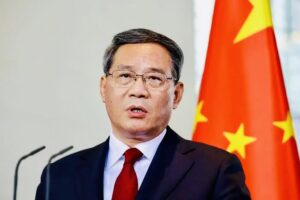
China has called on the international community to deepen cooperation, harness new technology and widen access to traditional medicine as the world confronts emerging health challenges.
Chinese Premier Li Qiang made the call while addressing the opening ceremony of the World Conference on Traditional Medicine 2026 in Beijing, where he urged nations to protect ancient medical knowledge while embracing scientific progress.
Li described traditional medicine as a vital resource for protecting human health, preserving cultural heritage and building friendship among nations.
He said the practice carried centuries of accumulated human knowledge and continued to complement modern medicine through its distinctive methods of diagnosis and treatment.
According to the premier, the world's various traditional medicine systems mirror the cultural identities of the societies that produced them, and offer useful insight into humanity's relationship with nature, health and community.
He noted that exchanges in traditional medicine across borders had, over the centuries, enriched medical knowledge, improved healthcare practice and fostered understanding among peoples.
Drawing on his country's record, Li described Traditional Chinese Medicine (TCM) as a significant part of Chinese civilisation and a major contributor to traditional medicine worldwide.
He said China had built the world's largest traditional medicine system, backed by coordinated policies on clinical practice, research, industrial development and professional training.
The country, he said, was pairing the preservation of classical medical knowledge with modern science and technology to improve treatment outcomes and broaden the use of traditional medicine.
Li disclosed that TCM institutions made up about one-tenth of all medical institutions in China, while nearly every medical institution in the country offered TCM services.
He also stressed the value of preventive care, affordable treatment and holistic approaches, areas in which he said traditional medicine had distinctive strengths in meeting a range of health needs.
According to him, TCM has now spread to 196 countries and regions, a reach he partly credited to China's openness to cooperation, investment and knowledge-sharing.
Looking ahead, Li urged countries to "harness artificial intelligence, modern biomedicine and digital technologies to accelerate research, improve diagnostic methods and transform traditional remedies into evidence-based treatments."
He also called for "stronger international partnerships, protection of intellectual property, conservation of medicinal resources and mutual recognition of professional qualifications to support the sustainable development of traditional medicine."
The premier further urged the international community to "implement the World Health Organisation's Global Traditional Medicine Strategy 2025–2034, integrate appropriate traditional medicine services into national healthcare systems and strengthen support for developing countries."
He pledged that China would keep contributing to efforts to narrow global health inequalities, while championing inclusive cooperation and rejecting zero-sum approaches to international relations.
Li went on to link traditional medicine's emphasis on balance and holistic treatment with the need for inclusive global economic governance, arguing that no country could achieve lasting prosperity in isolation.
He urged world leaders to "embrace compassion, peaceful coexistence and collective responsibility, stressing that international cooperation remained essential to protecting human health and advancing global prosperity."
The World Conference on Traditional Medicine 2026 brings together stakeholders to discuss the development, scientific advancement and international cooperation of traditional medicine.
Written by
Atlantic Reports Admin
Comments
- Be the first to comment.