LUTH Denies Claims of Kidney Patients Receiving Dialysis on Mats, Says 16 Machines Are Functional
By Atlantic Reports
Hospital challenges viral allegations
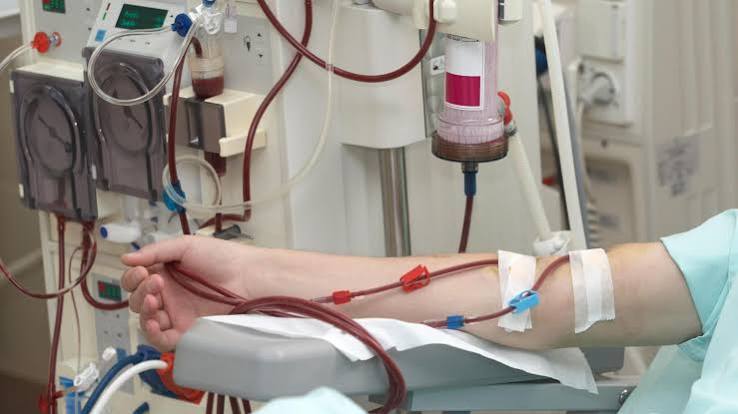
The Lagos University Teaching Hospital (LUTH) has dismissed claims that patients undergoing kidney dialysis are treated on mats or floors, describing the allegations as false and misleading.
The Chief Medical Director, Prof. Wasiu Adeyemo, addressed the controversy during a media briefing in Lagos on Wednesday, November 25, following the circulation of a social media video alleging poor treatment conditions at the hospital.
Adeyemo urged journalists and members of the public to verify claims before sharing them, warning that inaccurate reports could undermine confidence in healthcare institutions and discourage patients from seeking medical attention.
He disclosed that the Federal Government had invested more than ₦40 billion in LUTH over the past four years.
The hospital, he added, attends to approximately 2,500 patients daily.
LUTH explains dialysis arrangements
The Deputy Chairman of the Medical Advisory Committee, Prof. Babawale Bello, a nephrologist, said the dialysis centre was a specialised treatment facility rather than an admission ward.
He explained that patients usually attend scheduled sessions lasting between three and four hours, either from home or after being referred from hospital wards.
According to Bello, the unit operates around the clock and has 16 functional dialysis machines.
Each machine, he said, is supported by a dialysis bed or chair, depending on the patient's medical condition.
He disclosed that the centre recorded approximately 12,500 dialysis sessions between January 2022 and October 31, 2026, averaging more than 200 sessions monthly.
Bello also said the hospital maintained water-treatment systems designed to remove harmful substances, chemicals and bacteria before the water is used for dialysis.
Hospital acknowledges pressure on bed spaces
While rejecting the specific allegations concerning dialysis treatment, Adeyemo acknowledged that LUTH faces challenges with bed availability, particularly when emergency cases arrive.
He explained that planned admissions were generally arranged in advance, but emergency patients could experience delays when available beds were limited.
He also identified inadequate communication from referring hospitals as a contributing factor.
According to him, advance notification would help the hospital prepare for incoming patients and organise appropriate care.
Adeyemo said emergency cases were assessed and prioritised through a triage system, especially when several patients arrived simultaneously.
His remarks highlight a wider operational challenge facing busy public hospitals: managing emergency demand alongside limited beds, equipment and other resources.
LUTH highlights specialist training and infection control
The Head of the Dialysis Unit and Department of Medicine, Prof. Amira Oluwatoyin, described the allegations as disturbing and insisted that the centre maintained appropriate standards for dialysis treatment.
She said dialysis required specialised equipment, sterile conditions and ultra-pure water, with each treatment session lasting approximately four hours.
Bello also disclosed that LUTH had trained more than 100 nephrologists who now provide specialised kidney care in different parts of Nigeria.
The hospital's contribution to specialist training is significant in a country where access to advanced kidney care depends heavily on the availability of qualified personnel and properly equipped facilities.
Free dialysis programme yet to include LUTH
Adeyemo further disclosed that the Federal Government's free dialysis programme was being implemented in phases across Nigeria's six geopolitical zones.
He said LUTH was expected to be considered for inclusion in the next phase.
The statement suggests that patients accessing dialysis at the hospital should not yet assume that the federal programme covers their treatment there.
The timing, eligibility requirements and funding arrangements for LUTH's possible inclusion were not specified.
Transparency remains important in public healthcare
LUTH's response provides details about its dialysis facilities, staffing and treatment arrangements. However, the controversy also demonstrates the importance of transparent communication between public hospitals and the communities they serve.
A hospital's official explanation is important, but public confidence is strengthened when claims about service quality can be assessed through accessible information, independent professional oversight and clear channels for patient complaints.
The hospital's acknowledged pressure on emergency bed spaces also deserves attention, even though it is separate from the allegation about dialysis patients receiving treatment on mats.
For patients living with kidney disease, the availability of functional machines, qualified specialists, affordable treatment and reliable access to dialysis remains essential.
Ultimately, the issue extends beyond disputing a viral video. Nigerians need confidence that public hospitals can provide safe, dignified and accessible care, and that concerns about treatment conditions will be investigated transparently.
Atlantic Reports: Voices. People. Facts.
Written by
Atlantic Reports Admin
Comments
- Be the first to comment.