Mnangagwa Renews Call for Unconditional Lifting of Western Sanctions on Zimbabwe
By Atlantic Reports
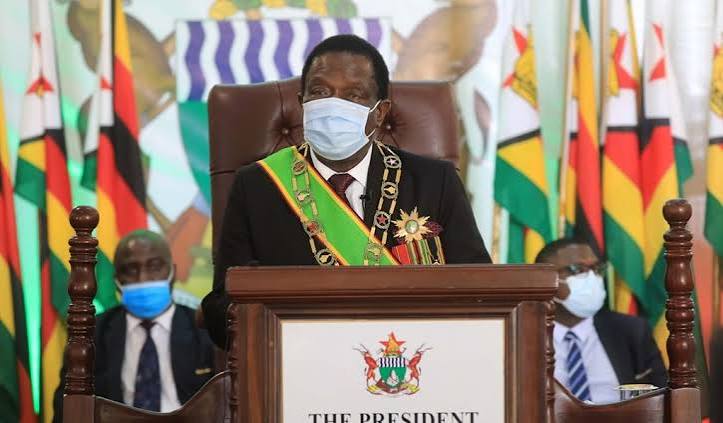
Zimbabwean President Emmerson Mnangagwa has called on Western countries to lift sanctions imposed on his country, saying the measures undermine economic development and Zimbabwe’s contribution to regional cooperation.
Mnangagwa made the appeal on Sunday in a speech marking the Southern African Development Community (SADC) Anti-Sanctions Day, observed annually on 25 October.
He said Zimbabwe was pursuing its development objectives despite the restrictions, while emphasising the importance of regional integration in expanding economic opportunities.
Mnangagwa Says Sanctions Affect Southern Africa
According to Mnangagwa, SADC established Anti-Sanctions Day in 2019 as a collective regional initiative to oppose sanctions imposed on Zimbabwe following its land reform programme.
The programme involved redistributing land from minority white commercial farmers to indigenous Black Zimbabweans.
“Sanctions not only punish our country, but the entire SADC family and infringe Zimbabwe’s role in advancing an integrated Africa,” Mnangagwa said.
He thanked SADC member states for supporting calls for the removal of what Zimbabwe describes as unilateral sanctions.
The president said the regional position reflected a shared commitment to sovereign equality, non-interference in domestic affairs and the right of countries to determine their own development paths.
Regional Integration Seen as Key to Economic Growth
Mnangagwa called for stronger regional cooperation, identifying SADC and the Common Market for Eastern and Southern Africa (COMESA) as platforms for improving connectivity and expanding economic collaboration.
He said closer cooperation in trade, industry, agriculture, energy and infrastructure could create opportunities for regional development.
Zimbabwe, he added, intended to broaden its international partnerships and deepen regional integration as part of efforts to strengthen its economy and industrial competitiveness.
The government would also continue pursuing diplomatic and domestic measures aimed at securing the removal of sanctions, he said.
Mnangagwa reaffirmed Zimbabwe’s commitment to multilateralism, international cooperation and the peaceful resolution of conflicts.
US Sanctions Framework Has Changed
The history of US measures against Zimbabwe includes the Zimbabwe Democracy and Economic Recovery Act, enacted in December 2001. The law restricted US support for certain forms of multilateral financial assistance to Zimbabwe.
In March 2024, then US President Joe Biden signed an executive order terminating the longstanding Zimbabwe sanctions programme.
However, the United States imposed targeted sanctions on 11 individuals, including Mnangagwa and Vice-President Constantino Chiwenga, under the Global Magnitsky Human Rights Accountability Act. The measures were linked to allegations of human rights abuses and corruption.
The distinction between the termination of the earlier country-specific sanctions programme and the continued use of targeted sanctions is important in understanding the current dispute.
Debate Over Sanctions and Development
Zimbabwe’s government maintains that sanctions impede its economic progress and calls for their removal as part of a broader effort to improve regional cooperation.
The US measures, meanwhile, have included restrictions directed at specific individuals over alleged misconduct, alongside legislation governing Washington’s approach to financial assistance.
The debate centres on the economic consequences of restrictions, the objectives of targeted measures and the wider question of how international pressure affects regional development.
As Zimbabwe seeks stronger trade and investment relationships, Mnangagwa’s latest appeal places the sanctions issue back at the centre of the country’s diplomatic agenda.
Atlantic Reports: Voices. People. Facts.
Written by
Atlantic Reports Admin
Comments
- Be the first to comment.