Navy Chief Warns New Recruits Against Drug Abuse, Misconduct and Rights Violations
By Atlantic Reports
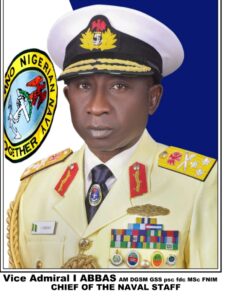
The Chief of the Naval Staff (CNS), Vice Adm. Idi Abbas, has warned newly graduated Nigerian Navy personnel against drug abuse, substance misuse, extortion and other misconduct capable of damaging the reputation of the service.
Abbas gave the warning on Saturday during the Passing Out Parade of Batch 38 graduates of the Nigerian Navy Basic Training School, urging them to maintain high standards of discipline and professionalism as they begin active service.
He also stressed the need for the graduates to respect human rights and exercise restraint in their dealings with civilians.
Navy Chief Emphasises Discipline and Professional Conduct
The naval chief identified integrity, professionalism and teamwork as core values that should guide the conduct of personnel throughout their careers.
He urged the graduates to obey lawful orders, respect the chain of command and maintain ethical standards in the discharge of their responsibilities.
“Professionalism is the unifying principle that binds these values together; it shapes disciplined conduct, fosters mutual trust and strengthens our collective commitment to mission success,” he said.
His warning against extortion and human rights violations highlights the importance of accountability in military-civilian relations, particularly for personnel deployed to communities and operational areas.
The Navy's ability to sustain public confidence depends not only on operational performance but also on how its personnel exercise authority.
Graduates Told to Remain Apolitical During 2027 Elections
With the 2027 general elections approaching, Abbas said some of the newly trained personnel could be assigned to support election security operations.
He directed them to remain strictly apolitical, perform their duties impartially and protect the constitutional rights of citizens.
The instruction places emphasis on the military's responsibility to support a secure electoral environment without interfering in the political choices of voters or favouring any political party.
The conduct of security personnel during elections will be important to public confidence in the electoral process, particularly in areas where tensions or security threats may arise.
Maritime Crimes Remain a Security Concern
Abbas said Nigeria continued to face complex security challenges across its maritime and land-based environments.
He identified crude oil theft, illegal bunkering, armed attacks on ships and other transnational maritime crimes as threats to national security, critical infrastructure and economic activity.
He also cited terrorism, insurgency and banditry as continuing challenges requiring sustained military operations.
According to him, the Navy remains central to protecting Nigeria's maritime interests and supporting joint security operations across the country.
Navy Reports Operational Gains
The CNS said sustained maritime surveillance and intelligence-led operations had helped Nigeria maintain a record of zero piracy incidents in its waters since 2022.
He also attributed progress in protecting oil and gas infrastructure to intensified operations against crude oil theft and illegal bunkering under Operation DELTA SENTINEL.
Abbas said these efforts had supported the recovery of national crude oil production, which reached approximately 1.72 million barrels per day, including condensates, in September 2026.
He added that the Navy had continued to contribute to counter-insurgency and other joint military operations.
The figures and operational assessments were presented by the naval chief. The statement did not provide an independent breakdown of the Navy's contribution to the reported production increase or further details of the methodology behind the piracy assessment.
New Personnel Deployed to Strengthen Operations
Abbas said sustaining the service's operational capacity would require continued investment in manpower development and professional training.
He described Batch 38 as an addition to the Navy's operational strength and urged the graduates to keep learning and apply the skills acquired during training.
Some will serve aboard naval vessels, while others will be posted to operational bases, naval establishments and joint operational areas.
He reminded them that discipline, vigilance and dedication would be essential to their performance wherever they were deployed.
As the graduates enter active service, their responsibilities will extend beyond military operations. Their conduct towards civilians, adherence to lawful orders and political neutrality will also shape public trust in the Nigerian Navy.
Atlantic Reports: Voices. People. Facts.
Written by
Atlantic Reports Admin
Comments
- Be the first to comment.