Nearly 589 Million Children Lived in Conflict Zones Worldwide in 2025, Save the Children Reports
By Atlantic Reports
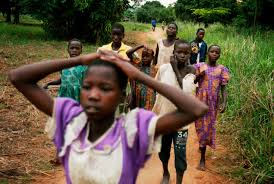
The number of children living in conflict zones worldwide reached a record high of approximately 589 million in 2025, according to a report by child rights organisation Save the Children.
The report, titled Stop the War on Children, estimates that nearly one in four children globally lived in areas affected by armed conflict during the year.
Africa accounted for 44 per cent of the children affected worldwide. The proportion of children living in conflict zones on the continent more than tripled between 2010 and 2025, highlighting the growing impact of insecurity on children and their communities.
The figures point to an expanding humanitarian crisis in which children face not only the immediate dangers of violence but also long-term disruptions to their education, healthcare, safety and development.
Middle East records sharp increase
The report identified a particularly sharp rise in the number of children affected by conflict in the Middle East, including the Palestinian territories, Lebanon and Yemen.
The estimated number increased from approximately 52 million in 2024 to 67 million in 2025.
Children in conflict-affected communities are exposed to fighting, forced displacement and attacks on residential areas. Bombardments and drone strikes also place families at risk, while the destruction of schools and hospitals further weakens access to essential services.
For displaced children, interrupted schooling and limited healthcare can compound the effects of violence, leaving them vulnerable long after immediate hostilities have subsided.
Thousands of children killed, injured or recruited
According to the report, 14,224 children were killed or maimed in armed conflicts in 2025. The figure represents verified cases rather than a complete estimate of all casualties.
Save the Children warned that the actual number is likely to be higher in places where access to affected communities is restricted and independent verification is difficult, including Sudan.
Similar reporting challenges affect cases of sexual violence and the recruitment of children by armed groups.
The report documented 6,576 verified cases of child recruitment and use in conflicts worldwide.
The Democratic Republic of the Congo recorded the highest number, with 1,397 children affected, followed by Nigeria, Haiti and Somalia.
The figures underline the continuing exploitation of children in armed conflicts, where they may be forced or coerced into serving armed groups, exposing them to violence and other forms of abuse.
Africa bears a disproportionate burden of sexual violence
The report also recorded 1,787 verified cases of sexual violence against children in conflict zones.
Approximately 86 per cent of the documented cases occurred in conflicts in Africa, including 592 cases in the Democratic Republic of the Congo.
These figures represent reported and verified incidents, meaning the actual scale of abuse may be greater, particularly in areas where survivors cannot safely report violations or where humanitarian organisations have limited access.
Sexual violence in conflict can have lasting physical and psychological consequences, while stigma, insecurity and inadequate support services may prevent survivors from obtaining protection and assistance.
The need to protect children in conflict
The findings highlight the growing exposure of children to armed violence and the wider consequences for communities already struggling with insecurity and displacement.
Beyond casualty figures, the destruction of schools, hospitals and homes threatens children's access to education, healthcare and stable family environments.
The scale of the crisis also raises questions about the protection of civilians, accountability for violations against children and the ability of humanitarian organisations to reach affected populations.
While the report provides a picture based on verified incidents and available estimates, gaps in access and independent confirmation mean the full human cost remains difficult to establish.
Protecting children in conflict zones requires more than emergency assistance. It also demands stronger civilian protection, access to essential services, accountability for abuses and sustained efforts to prevent children from being drawn into armed violence.
Atlantic Reports: Voices. People. Facts.
Written by
Atlantic Reports Admin
Comments
- Be the first to comment.