NHRC Urges Stronger Protection for Journalists, Unveils Safety Handbook
By Atlantic Reports
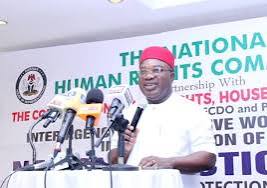
The Executive Secretary of the commission, Dr Tony Ojukwu, made the call on Monday in Abuja during the validation of a safety handbook for journalists and media practitioners.
The event was organised by the NHRC in partnership with Konrad-Adenauer-Stiftung (KAS). Ojukwu was represented by the commission’s Director of External Linkages, Mrs Fatimah Agwai-Mohammed.
He said journalists continued to face threats, harassment, intimidation and violence while carrying out their professional duties, making their safety a serious human rights concern.
According to him, the handbook was developed to provide practical guidance on journalists’ rights, risk assessment, field safety, digital security and steps to take when their rights are violated.
“Journalists face threats, harassment and violence in the course of their work,” he said, adding that the commission considered it necessary to provide practical support to address these risks.
Handbook Draws on Nigerian and International Laws
Ojukwu said the handbook was based on the 1999 Constitution of the Federal Republic of Nigeria, as amended, the Universal Declaration of Human Rights and the International Covenant on Civil and Political Rights.
Other legal instruments informing the document include the African Charter on Human and Peoples’ Rights, the NHRC Act 2010, as amended, and the Freedom of Information Act.
He said the validation exercise was intended to examine the handbook’s contents, identify gaps and ensure its recommendations reflected the realities journalists face in Nigeria.
“We are here not merely to present a document, but to critically examine the content, identify gaps, and ensure that it is practical, relevant, and responsive to the realities journalists face in Nigeria,” he said.
Ojukwu urged participants to contribute actively and offer constructive feedback to help produce a handbook that journalists and media practitioners could rely on when dealing with safety threats.
NHRC Provides Channels for Reporting Threats
The executive secretary encouraged journalists facing danger or human rights violations to contact the commission through its toll-free line, 6472, or via email at info@nhrc.gov.ng and nhrcanigeria@gmail.com.
The initiative highlights the importance of equipping journalists with practical safety guidance and accessible channels for reporting threats, particularly as their work remains central to public accountability and access to information.
Atlantic Reports: Voices. People. Facts.
Written by
Atlantic Reports Admin
Comments
- Be the first to comment.