NIAS Commends Jigawa Livestock Reforms, Reports Milk Yield Increase Among 6,500 Cattle
By Atlantic Reports
The Nigerian Institute of Animal Science (NIAS) has commended the Jigawa State Government's livestock development initiatives, citing increased milk production and investments in modern cattle breeding as indicators of progress in the sector.
The President of NIAS, Prof. Suleiman Elias, disclosed this on Wednesday in Dutse during the conferment of an honorary fellowship on Governor Umar Namadi.
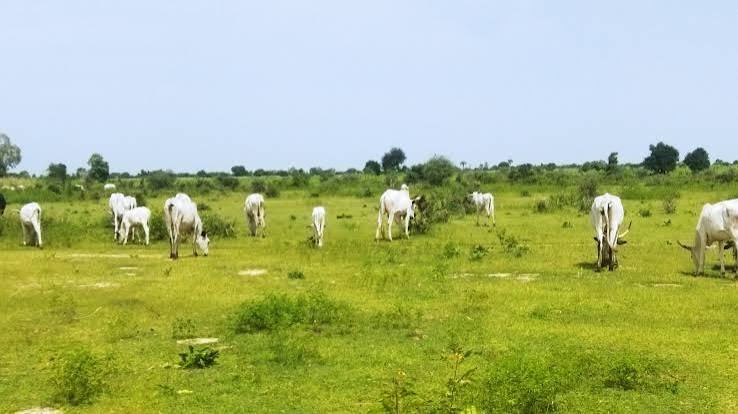
Elias said milk yield among 6,500 indigenous cattle had reportedly increased from between one and two litres to between 10 and 15 litres following the state's interventions in artificial insemination, semen production and livestock extension services.
He attributed the improvement to the establishment of breeding and multiplication centres and the deployment of livestock extension services across Jigawa's 287 wards.
According to him, the state had also strengthened its technical capacity by training 16 officers in advanced breeding technologies, disease control and fodder development.
The officers underwent a 30-day training programme at the National Dairy Development Board in India.
Investment in cattle breeding and livestock infrastructure
Elias said the state's livestock reforms included investments in modern cattle ranches equipped with solar-powered water systems and veterinary clinics.
He also identified the development of a 100,000-hectare alfalfa value chain project and the establishment of high-yield pastures as part of efforts to improve livestock nutrition and productivity.
Access to quality feed and reliable water supplies remains important to livestock development, particularly in areas where seasonal conditions affect grazing and animal health.
The NIAS president said the state was also working to improve livestock management through the demarcation and gazetting of grazing reserves and stock routes.
He described the measures as part of efforts to increase livestock production while addressing recurring tensions between farmers and herders.
“Your administration’s investment in modern, integrated cattle ranches and the demarcation of grazing reserves and stock routes provide a sustainable, science-backed approach to addressing farmer-herder conflicts,” he said.
Jigawa expands poultry and goat production initiatives
The institute also highlighted other livestock development programmes in the state.
Elias cited a $10 million memorandum of understanding with Srinivasa Farms for poultry development, describing it as part of the state's efforts to expand animal protein production.
He also disclosed that a goat-breeding microcredit scheme had benefited 2,350 widows.
The scheme, according to him, was intended to support livestock-based livelihoods and improve economic opportunities for vulnerable women.
However, details of the poultry agreement's implementation timetable, financing structure and expected production capacity were not provided.
Similarly, information on the repayment arrangements and income outcomes of beneficiaries under the goat-breeding scheme was not disclosed.
Separate livestock ministry strengthens institutional focus
Elias commended the creation of a separate Ministry of Livestock Development through Executive Order No. 1 of 2025.
He said the establishment of the ministry demonstrated the administration's decision to give livestock development a distinct place in the state's economic planning.
He also highlighted the appointment of a registered animal scientist as the ministry's pioneer commissioner, describing it as recognition of professional expertise in livestock administration.
“By creating a specialised governance structure, you have elevated livestock from a peripheral concern to a central pillar of Jigawa’s economic blueprint,” he said.
The NIAS president explained that the honorary fellowship was intended to recognise leaders whose policies and investments contributed to animal science development and improved animal protein supply.
NIAS offers technical support, seeks land for state office
Elias said the institute was prepared to support Jigawa State in areas including feed quality standardisation, hatchery certification and capacity building for livestock workers.
He also appealed to Governor Namadi to allocate land for the establishment of a NIAS state office in Jigawa.
According to him, the proposed office would strengthen the institute's engagement with livestock farmers in the state and neighbouring communities.
Sustaining productivity beyond reported gains
Jigawa's livestock initiatives highlight the potential contribution of improved breeding, animal health services, quality feed and modern infrastructure to Nigeria's agricultural development.
However, the reported increase in milk production among the 6,500 cattle requires sustained monitoring to establish whether the gains can be maintained across different seasons and expanded to more livestock farmers.
The long-term impact will also depend on the affordability of improved breeding services, access to veterinary care, availability of quality feed and the commercial opportunities available to dairy producers.
The proposed alfalfa project, poultry investment and goat-breeding scheme will similarly require transparent implementation, reliable funding and measurable production and livelihood outcomes.
For Jigawa, the broader challenge is to translate livestock reforms into sustained improvements in farmers' incomes, local milk supply, animal protein availability and employment across the agricultural value chain.
Atlantic Reports: Voices. People. Facts.
Written by
Atlantic Reports Admin
Comments
- Be the first to comment.