Niger Government, AGILE Project Call for End to Child Marriage
By Atlantic Reports
The Niger State Government and the Adolescent Girls Initiative for Learning and Empowerment (AGILE) Project have called for an end to child marriage and increased investment in girls’ education and rights.
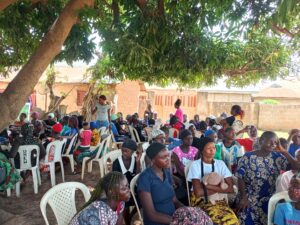
The call was made on Friday in Minna during the commemoration of the 2026 International Day of the Girl Child at Day Secondary School, Minna.
The event, themed “End Child Marriage and Invest in Girls’ Rights”, brought together education officials and other stakeholders to discuss barriers to girls’ education and measures to improve their safety, access to learning and future opportunities.
The Commissioner for Basic and Secondary Education, Mrs Hadiza Mohammed, urged parents, community leaders and other stakeholders to provide the support girls need to pursue their aspirations.
Mohammed said investment in girls’ education was essential to empowering them to contribute meaningfully to societal development.
She called for collective action to remove barriers to education and create an environment where every girl could access quality learning and realise her potential.
Child marriage and insecurity threaten girls’ education
The AGILE State Coordinator, Mrs Maimuna Tahir, identified child marriage, harmful traditional beliefs and insecurity as major obstacles preventing girls from accessing and completing their education.
She described the commemoration as a call to action for stakeholders to intensify efforts to address these challenges and create safe, inclusive and supportive learning environments.
Tahir said the AGILE Project had introduced interventions in Niger State to improve girls’ access to education, encourage school retention and equip them with relevant life skills.
According to her, the interventions include the renovation of more than 300 schools, the establishment of 110 life-skills and vocational centres for married girls, and conditional cash transfers benefiting more than 8,000 women and girls.
She added that the project had provided gender-based violence support services and trained teachers to improve educational quality and create more supportive learning environments.
The figures were provided by the project coordinator. Further details on the distribution of the interventions, their funding and measured outcomes were not presented in the account of the event.
Stakeholders urged to strengthen protection
Tahir emphasised that sustained collaboration among government authorities, parents, traditional and religious leaders, and development partners was necessary to address practices that hinder girls’ educational advancement.
She urged stakeholders to strengthen measures to protect girls from child marriage and other forms of abuse while ensuring equal opportunities to continue their education.
The emphasis on married girls’ access to life-skills and vocational training also highlights the importance of providing educational and economic opportunities to those whose schooling has already been interrupted.
For girls affected by early marriage, insecurity or financial hardship, access to learning, practical skills and support services can help widen their opportunities, although the scale of the benefits depends on sustained implementation and access.
Students use drama and debate to promote girls’ rights
The commemoration featured lectures, drama, debates and poetry presentations by students to raise awareness of girls’ rights, the importance of education and the need to protect children from early marriage.
Participants reiterated the need for a united response to the challenges facing the girl child.
The event placed education, protection and community participation at the centre of efforts to improve outcomes for girls in Niger State.
However, translating the commitments into lasting change will require continued investment, effective enforcement of child-protection measures and sustained efforts to ensure that girls can remain in school and access support when they face abuse, insecurity or other barriers.
The broader test will be whether the interventions reach vulnerable communities consistently and produce measurable improvements in school attendance, retention, completion and protection from harmful practices.
Atlantic Reports: Voices. People. Facts.
Written by
Atlantic Reports Admin
Comments
- Be the first to comment.