Nigeria, Eight Other African Countries to Benefit from $135m Health Investment
By Atlantic Reports
Nine countries included in health investment
Nigeria and eight other African countries are set to benefit from a $135 million health investment announced by the Mohamed bin Zayed Foundation for Humanity at the International Conference on Public Health in Africa (CPHIA) in Addis Ababa, Ethiopia.
The foundation announced the commitment on Thursday, 26 November 2026, saying the programme would support more than 500 health facilities across the participating countries.
The other beneficiaries are Ethiopia, Kenya, Liberia, Malawi, Rwanda, Ghana, Sierra Leone and Mozambique.
According to a statement from the foundation, the investment is expected to mobilise more than $550 million in additional financing through matching contributions from participating governments and support from development partners.
Each participating government is expected to contribute at least an equivalent amount towards the initiative.
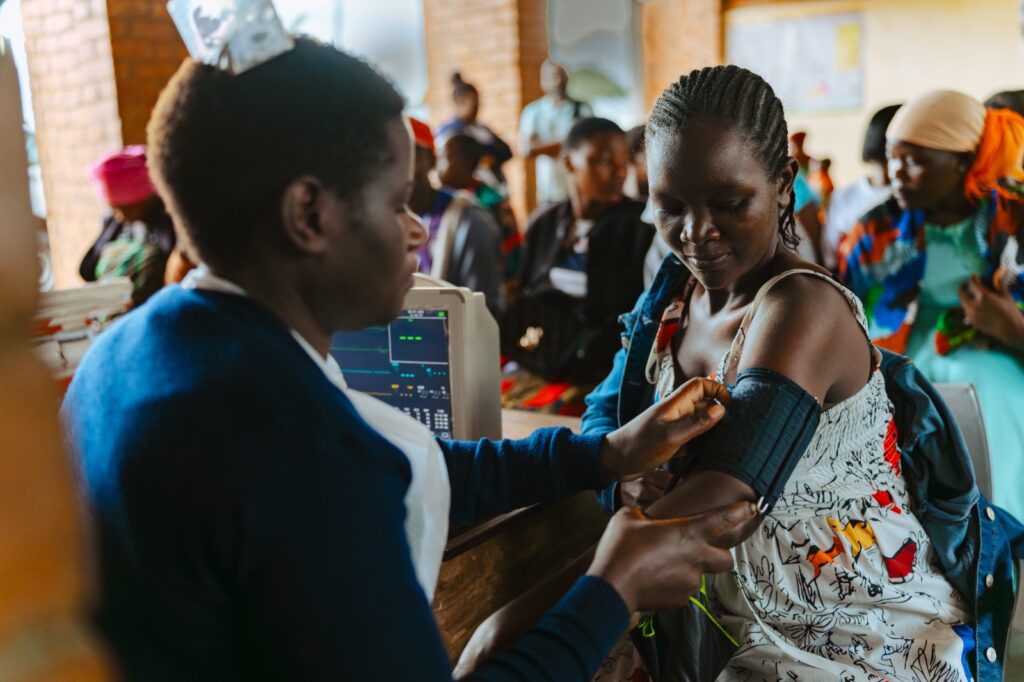
The programme is designed to improve maternal and newborn survival, strengthen primary healthcare and ensure that health workers have access to essential medicines, equipment and supplies.
Shortages continue to affect healthcare delivery
The foundation identified shortages of essential medicines and medical equipment as persistent challenges facing healthcare systems across Africa.
It cited estimates suggesting that only 35 per cent of essential medicines were available in public health facilities across the continent, while fewer than one-third of facilities had the equipment needed to conduct basic diagnostic tests.
Such shortages can delay diagnosis, disrupt treatment and place additional pressure on health workers, particularly in facilities serving low-income and underserved communities.
The foundation said its investment would build on existing country-led health financing programmes, using co-financing arrangements to attract further contributions from governments and development partners.
Its Director-General, Dr Shamma Khalifa Al Mazrouei, said the initiative was intended to help governments ensure that health workers had reliable access to the supplies needed to provide quality care.
She stressed that skilled medical personnel required adequate medicines and equipment to improve health outcomes for mothers, newborns and children.
Ethiopia, Rwanda and Liberia outline specific interventions
The foundation provided details of some country-level commitments, including interventions in Ethiopia, Rwanda and Liberia.
In Ethiopia, it committed $20 million to the country’s Reproductive, Maternal, Newborn and Child Health Compact.
The foundation said the commitment helped mobilise an additional $151.2 million from development partners, with a matching contribution from the Ethiopian Government.
The funding is expected to support about 120 health facilities over three years, including the provision of artificial intelligence-enabled ultrasound equipment and antibiotics to prevent infections.
In Rwanda, the foundation committed $15 million to provide essential equipment to 170 health facilities, including district and teaching hospitals. It said the commitment would also help mobilise an additional $40 million.
The intervention is expected to improve childbirth and newborn care through equipment for managing post-delivery bleeding, incubators and respiratory support for premature and critically ill newborns.
In Liberia, a $10 million commitment, matched by donor funding, was announced to support the country’s national referral teaching hospital and connected health facilities.
The programme is expected to provide technologies for managing complicated births, stabilising critically ill newborns and children, and improving bedside diagnosis.
It will also support clinical mentorship for doctors, nurses and midwives, alongside biomedical engineering training to improve the maintenance and repair of medical equipment.
Nigeria's allocation and implementation details remain unclear
Although Nigeria is among the nine beneficiary countries, the announcement did not specify the amount allocated to the country, the number of health facilities expected to benefit or the states and communities to be covered.
It also did not provide a timeline for implementation of the Nigerian component or identify the government institutions responsible for coordinating the intervention.
These details will be important in assessing how the investment will address existing gaps in the country's healthcare system.
Access to medicines and equipment remains only one part of effective healthcare delivery. Facilities also require trained personnel, reliable electricity, maintenance systems, adequate funding and efficient supply chains to ensure that donated or procured equipment remains functional.
Accountability will determine the health impact
The foundation's proposed financing arrangement could attract additional resources for healthcare, but the scale of the announced investment makes transparent implementation essential.
For Nigeria, key questions include how the funds will be distributed, how beneficiary facilities will be selected, what government contributions will be required and how the procurement and delivery of medical supplies will be monitored.
Regular public reporting on funds committed, amounts disbursed, equipment delivered, facilities supported and improvements in maternal and newborn outcomes would help establish whether the programme is achieving its objectives.
The ultimate test will not be the size of the financial commitment but whether mothers, newborns and other patients receive more reliable and accessible healthcare.
Atlantic Reports: Voices. People. Facts.
Written by
Atlantic Reports Admin
Comments
- Be the first to comment.