Nigeria Monitors 52 Ebola Contacts as WHO Reports Progress in Kenya
By Atlantic Reports
Nigeria Continues Contact Monitoring
The World Health Organisation (WHO) says Nigeria will continue monitoring 52 contacts following the medical evacuation of the country’s first imported case of Bundibugyo virus disease to Switzerland.
The Nigerian Coordinating Minister of Health and Social Welfare, Prof. Muhammad Pate, said the patient and her husband were evacuated early on Monday after approval for the transfer.
The patient, a woman with a recent travel history to Uganda, was confirmed to have the infection on 20 October 2026. Her husband, who accompanied her, is a Swiss citizen and remained asymptomatic, according to Pate.
Nigeria currently has no reported Ebola cases following the evacuation, according to the information provided. However, health authorities must continue surveillance and contact monitoring to establish whether further infections emerge.
The WHO said Nigeria could declare the end of the outbreak on 7 December if no additional confirmed or probable cases are detected and the required period is completed and validated by health authorities.
WHO Reports Progress in Kenya
In a statement on Monday, WHO said 20 contacts linked to Kenya’s first imported case of Bundibugyo virus disease had been released from quarantine after completing the mandatory 21-day monitoring period without developing symptoms.
The individuals underwent final health assessments and received counselling on precautions to observe after discharge, alongside follow-up arrangements where necessary.
Kenya still has 98 contacts in quarantine, according to WHO.
Dr Patrick Amoth, Kenya’s Director-General for Health, urged communities to welcome those discharged from quarantine.
He said completing 21 days without symptoms meant the individuals posed no risk of infection to others.
WHO also commended Kenya’s health authorities and public health teams for their response to the outbreak.
Kenya Records Nine Confirmed Cases
Kenya confirmed its first Ebola case on 6 October 2026, prompting the Ministry of Health to begin contact tracing for people who might have been exposed to the virus.
By 22 October, all 135 identified contacts in Kenya and internationally had reportedly been traced and placed in quarantine.
As of 26 October, eight contacts had developed symptoms and subsequently tested positive for Ebola through laboratory testing. All eight were already in quarantine when their infections were confirmed and were transferred to the Ebola treatment centre in Nairobi.
Kenya has reported nine confirmed cases and two deaths, according to the figures provided. The cases are described as belonging to one connected group, with no evidence of wider community transmission reported in the account.
Dr Neema Rusibamayila Kimambo, WHO Representative to Kenya, praised those completing quarantine for helping to protect their families and communities.
The reported developments underline the importance of tracing contacts, isolating suspected cases and maintaining surveillance after an initial infection has been identified.
Genomic Analysis Links Nigerian and Kenyan Cases
On 23 October, Pate said genomic analysis indicated that the virus isolated from the Nigerian patient appeared closely related to the virus identified in Kenya’s index case.
The finding provides evidence of a possible epidemiological link, although genomic similarity alone does not establish the precise route or circumstances of transmission.
The patient’s recent travel history to Uganda was also relevant to the investigation. Further epidemiological findings would be needed to clarify the chain of transmission and the relationship between the cases.
WHO Recommends Surveillance Rather Than Travel Restrictions
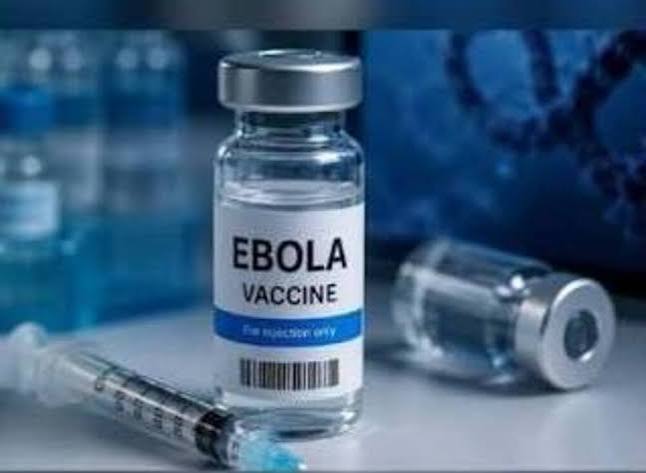
WHO says there is no licensed vaccine or specific treatment for Bundibugyo virus disease. However, early detection, prompt medical assessment and supportive care can improve the chances of recovery.
The organisation recommends evidence-based public health measures, including surveillance, contact tracing and screening at points of entry where appropriate.
It advises against general travel restrictions, favouring measures guided by the available evidence and the evolving epidemiological situation.
For Nigeria, continued monitoring of identified contacts remains important even after the confirmed patient has been evacuated. The proposed 7 December date for declaring the end of the outbreak is conditional, not a guarantee, and depends on the absence of further confirmed or probable cases and validation by health authorities.
Atlantic Reports: Voices. People. Facts.
Written by
Atlantic Reports Admin
Comments
- Be the first to comment.