Nigeria Records No New Ebola Case 21 Days After Imported Infection, NCDC Says
By Atlantic Reports
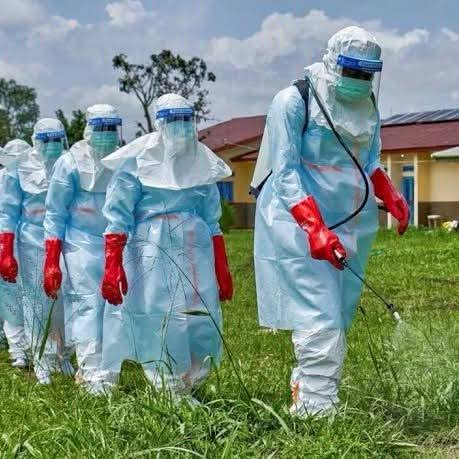
Nigeria has recorded no new Ebola case 21 days after confirming an imported infection of the Bundibugyo virus from Uganda, the Nigeria Centre for Disease Control and Prevention (NCDC) has announced.
The NCDC Director-General, Dr Jide Idris, disclosed this in a national health security update issued on Tuesday, saying the agency was continuing surveillance and contact tracing to prevent further transmission.
According to Idris, health authorities identified 62 contacts linked to the imported infection. Of these, 34 had completed their individual 21-day monitoring period, while 28 remained under surveillance.
He clarified that being identified as a contact did not mean an individual had contracted Ebola, explaining that monitoring was intended to detect possible symptoms early and enable a prompt response.
The NCDC, he said, was sustaining contact tracing, laboratory testing, surveillance, infection prevention and investigation of reported alerts in collaboration with federal and state authorities.
NCDC urges vigilance among healthcare workers
Idris urged healthcare workers in public and private facilities to remain alert and routinely establish patients' travel and exposure histories.
He called for suspected Ebola cases to be reported immediately to public health authorities.
He also advised anyone who develops symptoms following possible exposure to avoid contact with others and call the NCDC toll-free line, 6232, for guidance before visiting a health facility.
The advice is intended to reduce the risk of possible transmission while ensuring that suspected cases receive appropriate assessment.
Dengue and chikungunya confirmed in two states
Beyond the Ebola response, the NCDC director-general disclosed that dengue fever had been confirmed in Sokoto and Zamfara States, while chikungunya had been confirmed in Sokoto.
He said the agency had intensified surveillance and response activities, deploying National Rapid Response Teams that included entomologists from the National Arbovirus Research Centre in Enugu.
The teams are supporting case identification, laboratory investigations, clinical preparedness, community engagement and mosquito control.
Idris warned Nigerians against assuming that every fever was malaria, noting that dengue and chikungunya could also cause fever, headaches, body pains and joint pains.
He advised people experiencing persistent fever, rashes, vomiting or severe joint pains to seek medical assessment.
He particularly warned that dengue could become life-threatening when serious warning signs were ignored.
Residents were also advised to reduce mosquito breeding by removing stagnant water, covering water containers, clearing discarded tyres and protecting themselves against mosquito bites.
The agency noted that disease-carrying mosquitoes could bite during the daytime, making protection necessary beyond sleeping hours.
NCDC strengthens preparedness for meningitis
Idris said the agency was increasing preparedness for cerebrospinal meningitis as the dry season advanced, particularly in areas within Nigeria's meningitis belt.
He urged state governments to strengthen disease surveillance, diagnostic capacity, clinical readiness and vaccination responses where indicated.
He advised Nigerians experiencing sudden fever, severe headache, neck stiffness or confusion to seek urgent medical attention.
Healthcare facilities were also urged to identify suspected cases promptly and ensure appropriate referral and treatment.
Diphtheria and Lassa fever remain concerns
The NCDC director-general said diphtheria remained a public health concern, particularly among children who had missed routine immunisation.
He urged parents and caregivers to check their children's vaccination records and seek professional guidance on missed doses.
Idris warned that fever accompanied by sore throat, neck swelling, difficulty swallowing or breathing required prompt medical assessment.
On Lassa fever, he said Nigeria was approaching the period when infections historically increased, urging states to strengthen surveillance, laboratory testing, treatment readiness and infection prevention.
He called on healthcare facilities to maintain adequate medical supplies, trained personnel and safe referral arrangements to protect both patients and frontline workers.
Households were also advised to store food in covered containers, protect supplies from rodents and maintain clean surroundings.
The NCDC further encouraged clinicians to consider infections other than malaria when assessing patients with persistent fever, particularly during the Lassa fever season.
Health precautions urged ahead of festive gatherings
With the festive period approaching, Idris called on state governments, event organisers and healthcare providers to strengthen health and safety arrangements for concerts, religious gatherings and other large events.
He urged organisers to provide basic medical assistance, maintain hygiene and sanitation, and establish clear procedures for identifying and reporting suspected infectious diseases.
Travellers and participants at public gatherings were advised to follow health advisories, seek medical attention when unwell and avoid crowded events when experiencing symptoms.
Idris also called on public and private healthcare facilities to report suspected infections promptly and implement appropriate measures to protect medical personnel.
Public urged to rely on verified health information
The NCDC said the Ebola response remained active alongside interventions against dengue, chikungunya and diphtheria, while preparations continued for meningitis and Lassa fever.
Idris acknowledged the support of the Federal Government, the Coordinating Minister of Health and Social Welfare, Prof. Muhammad Pate, state governments, healthcare workers, development partners and communities.
He urged Nigerians to maintain routine vaccination, protect themselves against mosquitoes and rodents, seek medical attention early and avoid spreading unverified health information.
Suspected cases can be reported, and public health guidance obtained, through the NCDC toll-free line, 6232, or the relevant state public health authorities.
Although no additional Ebola infection had been reported in the 21 days following the imported case, the continued monitoring of contacts and wider disease surveillance remain important. Health authorities face the task of sustaining preparedness across several infectious disease threats while ensuring that communities know when and where to seek medical care.
Atlantic Reports: Voices. People. Facts.
Written by
Atlantic Reports Admin
Comments
- Be the first to comment.