Nurses’ Association Urges FCT to Recruit 7,000 Nurses, Midwives
By Atlantic Reports
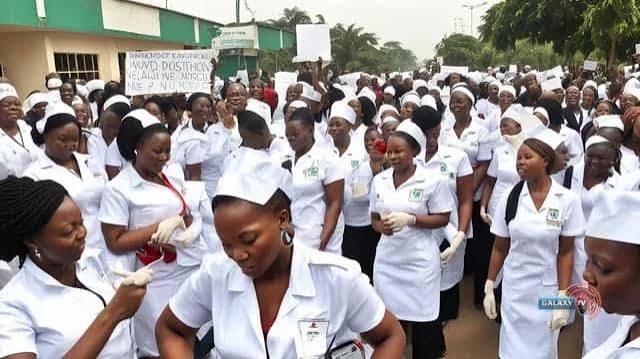
The National Association of Nigeria Nurses and Midwives (NANNM) has urged the Federal Capital Territory (FCT) Administration to recruit at least 7,000 nurses and midwives into its secondary healthcare facilities to address staff shortages and improve patient care.
The association’s National President, Haruna Mamman, made the call on Friday during the 2026 International Nurses Week celebration organised by the FCT Council of NANNM in Abuja.
Mamman said inadequate staffing, excessive workloads and poor working conditions threatened effective healthcare delivery and patient safety.
He called for improved remuneration, continuous professional development, specialised training and greater involvement of nurses in health policy decisions.
According to him, nurses should be recognised as autonomous and accountable professionals whose expertise is essential to developing effective healthcare policies.
Mamman urged governments at all levels to enforce adequate staffing standards, settle outstanding allowances and promotion arrears, and strengthen measures to protect nurses from workplace violence.
He also called for increased investment in nursing and midwifery institutions, passage of the proposed Safe Staffing and Nursing Workforce Bill, and better opportunities for career progression.
FCT facilities face significant staffing gaps
The Chairman of NANNM’s FCT Council, Jama Medan, said the territory faced a critical shortage of nurses despite its growing population and expanding healthcare needs.
Medan put the number of nurses in FCT secondary healthcare facilities at fewer than 1,000, against an estimated requirement of more than 8,000.
He said some nurses attended to as many as 35 patients per shift and worked between 12 and 15 hours daily, compared with an eight-hour standard workday.
The figures presented by the association highlight concerns about the capacity of existing staff to provide timely and safe care, particularly in facilities handling large patient volumes.
Medan also said more than 300 primary healthcare centres across the FCT’s six area councils had fewer than 100 nurses and midwives providing essential services.
He appealed to the FCT Minister, Nyesom Wike, to approve additional recruitment, saying more healthcare personnel were needed to strengthen maternal and child healthcare, disease prevention and universal health coverage.
The association’s request for 7,000 recruits specifically targets secondary healthcare facilities, while its wider concerns also cover staffing at primary healthcare centres.
Calls for institutional reforms and better working conditions
Medan called for the passage of the bill establishing the FCT College of Nursing Sciences in Gwagwalada, as well as the constitution of governing boards for the FCT Hospitals Management Board and the FCT Primary Health Care Board.
He commended Wike for the planned renovation and rehabilitation of 14 hospitals, the completion of Jabi Hospital and the procurement of 12 ambulances.
However, he stressed that investments in healthcare infrastructure needed to be matched with adequate personnel, modern medical equipment, personal protective equipment and improved staff welfare.
The concern points to a broader challenge for healthcare delivery: renovated facilities and additional ambulances may expand service capacity, but their effectiveness also depends on having enough qualified professionals to operate them.
Representing Wike at the event, the FCT Head of Service, Nancy Sabanti, congratulated nurses on the celebration and reaffirmed the administration’s commitment to providing a conducive working environment and supporting improvements in healthcare delivery.
Sabanti said the theme, “Our Nurses, Our Future: Empowered Nurses Save Lives,” highlighted the importance of supporting nurses to provide safer and more effective care.
Nursing council calls for investment in workforce
The Registrar and Chief Executive Officer of the Nursing and Midwifery Council of Nigeria, Alhassan Ndagi, represented by his Chief of Staff, Godswill Stella, also called for greater investment in the nursing workforce.
Ndagi said nurses performed essential functions across the healthcare system, from maternal and newborn care to the treatment of critically ill patients, prevention of medical errors and protection of patient safety.
He identified staff shortages, migration, inadequate resources and demanding working conditions as major challenges confronting the profession.
He advocated competency-based nursing education, stronger clinical training, adequate rest periods, modern healthcare technology and greater participation by nurses in leadership and policymaking.
According to him, investment in education, professional development and improved working conditions would strengthen healthcare delivery and improve patient outcomes.
The celebration also featured the recognition of individuals who had contributed to nursing education, professional development and healthcare delivery.
Recruitment remains the central challenge
The association’s demands raise questions about how quickly the FCT Administration can address the reported staffing gap, fund additional appointments and distribute personnel according to patient needs.
The figures presented at the event were attributed to NANNM, and no separate staffing breakdown or recruitment timetable was provided in the supplied information.
For patients, the consequences of staffing shortages can extend beyond long waiting times to the availability of essential services, continuity of care and the workload borne by healthcare professionals.
The proposed recruitment, alongside improvements in training, equipment and staff welfare, will therefore be important to assessing how the administration responds to the association’s concerns.
Atlantic Reports: Voices. People. Facts.
Written by
Atlantic Reports Admin
Comments
- Be the first to comment.