Oluremi Tinubu Urges Action on Rural Women’s Welfare
By Atlantic Reports
First Lady Senator Oluremi Tinubu has called for inclusive policies and practical action to improve rural women’s access to healthcare, education, land, finance and community decision-making.
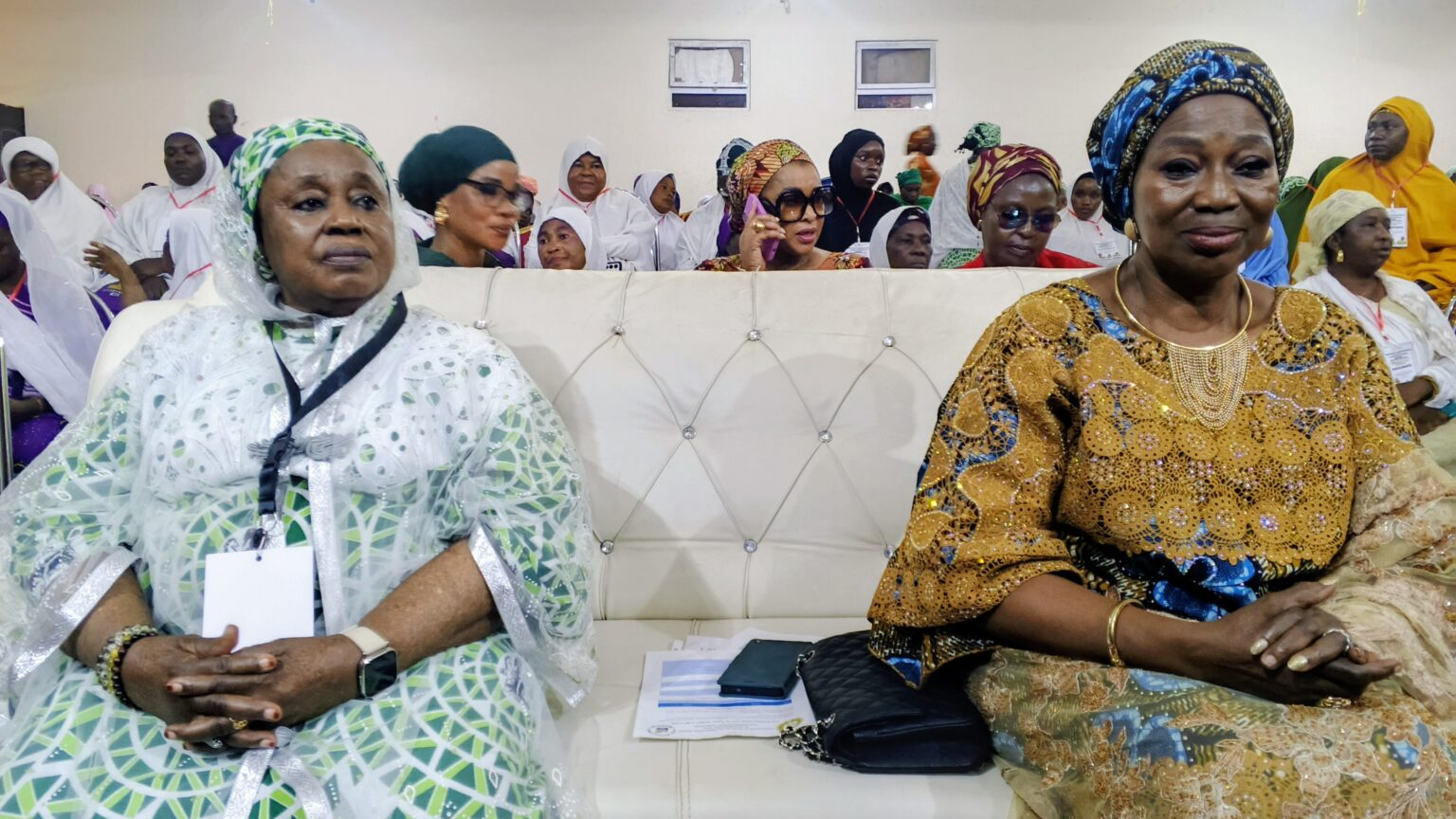
She made the call through her representative, Mrs Hilmary Aipoh, at a symposium in Abuja on Wednesday organised by the Association of Wives of FCT Traditional Rulers (WOFCTTRA), in collaboration with the FCT Women Affairs Secretariat.
The event commemorated the 2026 International Rural Women’s Day and examined how wives of traditional rulers could advance gender equity, peacebuilding and sustainable development in rural communities.
Tinubu said recognition of rural women’s contributions must extend beyond praise to opportunities, protection and inclusion.
“Rural women remain the backbone of local economies and cultural preservation, yet continue to face significant systemic hurdles,” she said.
She highlighted their work as farmers, traders, craftswomen, caregivers and community organisers, while noting the barriers many still faced in accessing essential services and resources.
Bringing Rural Concerns to Leadership
Tinubu urged wives of traditional rulers to use their relationships with market associations, women’s groups and young people to bring everyday concerns to community leaders.
“Your influence is a privilege, but it is also a responsibility. You can help your husbands better understand the everyday challenges of the people they serve,” she said.
Those challenges, she added, included difficulties obtaining maternal healthcare, rising farming costs, girls at risk of leaving school and women seeking business capital.
She encouraged the royal wives to support girls’ education, discourage harmful traditional practices, promote women’s participation in local decisions and help resolve community disputes.
Maternal Health Clubs and Reporting Network Proposed
WOFCTTRA President and Queen of Abaji Chiefdom, Hajiya Hauwa Adamu, called for Rural Women Safe Motherhood Clubs across the FCT’s six area councils.
She also proposed a Palace-Based Peacebuilding Network where rural women could safely report gender-based violence and seek community mediation.
The proposals were presented as planned interventions, rather than established services. Details of funding, staffing, implementation timelines and referral arrangements were not provided.
Adamu described royal palaces as places where women and girls already sought assistance with family disputes, education concerns and maternal health emergencies.
“When a young girl in Kwali says she does not want early marriage but wants school, she runs to the Queen’s palace, not to the police station,” she said.
She requested an official FCT Rural Women Traditional Institution Desk to bring concerns from royal palaces into government decision-making, alongside collaboration with the Renewed Hope Initiative.
“If you develop the city and forget the village, you have built a house without foundation,” Adamu said.
From Commitments to Community Support
The Permanent Secretary of the FCT Women Affairs Secretariat, Hajiya Asmau Mukhtar, reaffirmed the administration’s commitment to improving rural women’s welfare, economic opportunities and livelihoods.
She recognised their contributions to agriculture, food security, entrepreneurship, family welfare and community development.
President of the Helpline Social Support Initiative, Dr Jumai Ahmadu, represented by Programme Officer Mrs Amina Omale, also called for practical steps to advance grassroots development, peace and gender equality.
The symposium identified community institutions as important routes to reaching rural women. The next test is whether the proposed structures receive the resources and clear responsibilities needed to provide accessible, sustained support across the territory.
Atlantic Reports: Voices. People. Facts.
Written by
Atlantic Reports Admin
Comments
- Be the first to comment.