Osinbajo Leads New Drive for Domestic Health Financing in Africa
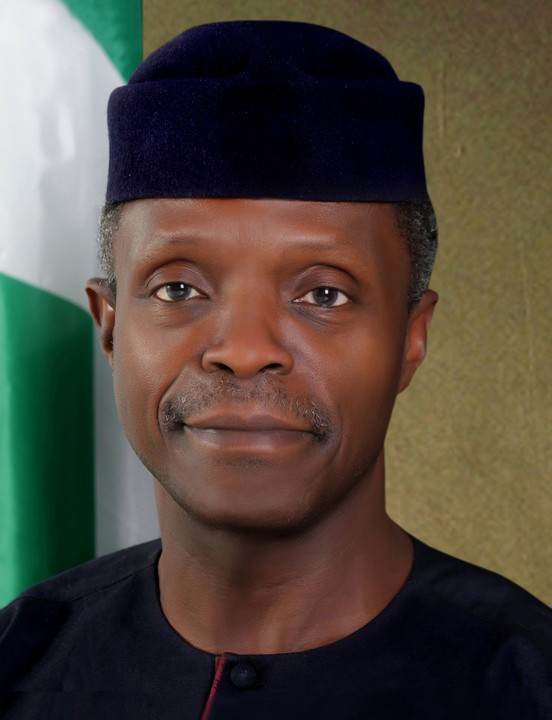
The UN Economic Commission for Africa (ECA) and former Vice-President Yemi Osinbajo are spearheading efforts to promote sustainable, domestically driven health financing across the continent.
This is contained in a statement released by the ECA on Friday in Abuja, which explained that the initiative seeks to support African governments in mobilising sustainable, predominantly domestic resources to strengthen health systems. The effort builds on the Tangier Declaration, adopted by African finance, planning, and economic development ministers in March 2026, which recognises health spending as an investment in human capital and economic resilience rather than a cost to be managed.
The statement quoted ECA Executive Secretary Claver Gatete as saying, "nothing can be done without people. We need them to be healthy to be able to contribute. The initiative is particularly important amid declining official development assistance for health and rising debt burdens limiting fiscal space." Gatete stressed the need for stronger coordination between health and finance ministries, alongside domestic resource mobilisation, innovative financing, and increased private investment.
Osinbajo: Shift Toward Domestic Ownership of Health Financing
Osinbajo, who serves as Champion of the Initiative, said the constitution of the High-Level Advisory Group marks a shift away from aid dependency toward greater domestic ownership of health financing. He stressed that ministries of finance and health need to work jointly, rather than operate in parallel, to effectively address the continent's health financing challenges.
Also speaking, Prof. Senait Fisseha, Vice-President for Global Programmes at the Susan Thompson Buffett Foundation, said philanthropy should serve as a catalyst rather than a replacement for government financing. She noted that philanthropic support should ultimately be judged by the institutions and systems it helps establish, rather than by grants that are repeatedly renewed.
Five Guiding Areas Outlined for the Initiative
Representing the African Union Commission Chairperson, Prof. Julio Rakotonirina, Director for Health and Humanitarian Affairs, outlined five guiding areas for the initiative: domestic resource mobilisation, efficiency, equity, financial protection, and fiscal space — all aligned with Agenda 2063 and other continental health frameworks.
Rakotonirina added that the ongoing Ebola outbreak response in the Democratic Republic of the Congo (DRC) has demonstrated that health financing and health security cannot be treated separately. "The initiative comes amid declining external health financing, narrow domestic revenue bases and increasing debt-service pressures across African countries," he noted.
Africa's Health Financing Challenges
Meanwhile, Africa's average tax-to-GDP ratio stands at about 16 per cent, while out-of-pocket spending remains the primary source of health financing in roughly half of African countries. Botswana, Ethiopia, Guinea, Sierra Leone, and Togo are participating as early adopters of the initiative, with technical assessments and country-led financing solutions currently under development.
The inaugural meeting brought together ministers and senior officials from across Africa to deliberate on pathways toward sustainable, domestically financed health systems. The High-Level Advisory Group subsequently moved into closed deliberations to advance its work on strengthening health financing across the continent.
Written by
Atlantic Reports Admin
Comments
- Be the first to comment.