Oyo Activates Ebola Surveillance Across 33 LGAs, Reports No Cases
By Atlantic Reports
The Oyo State Government has activated enhanced surveillance and other public health measures to guard against the spread of Ebola Virus Disease (EVD), saying no case has been recorded in the state.
The Commissioner for Health, Dr Oluwaserimi Ajetunmobi, disclosed this in an interview in Ibadan on Wednesday, explaining that preparations began months before the latest development in Nigeria.
She said the state started preparing in mid-May following reports of Ebola cases in the Democratic Republic of the Congo (DRC), with further measures activated after the reported case in Abuja.
According to Ajetunmobi, the state activated its “Health Under One Roof” approach in June 2026, bringing together the Ministries of Health, Environment, Information and Agriculture, alongside epidemiology units, the University of Ibadan and the University College Hospital (UCH).
She said the coordinated approach was necessary because some infectious diseases are zoonotic, meaning they can spread between animals and humans, and may be influenced by environmental conditions.
Surveillance Extended Across 33 Local Government Areas
The commissioner said surveillance teams had been activated across all 33 local government areas of Oyo State to ensure that suspected cases could be identified beyond Ibadan.
She explained that the government had also distributed information, education and communication materials in digital and printed formats, with plans to install billboards at strategic locations.
Ajetunmobi said public health messaging was aimed at encouraging vigilance without creating unnecessary fear.
She urged residents not to spread rumours or ignore possible symptoms, stressing the importance of promptly reporting suspected cases to health authorities.
Symptoms and Routes of Transmission
The commissioner listed possible Ebola symptoms as sudden fever, severe headache, vomiting, diarrhoea, unexplained tiredness, muscle pain and bleeding.
She said the incubation period generally ranges from two to 21 days, with many symptomatic cases developing signs of illness within eight to 10 days.
According to her, people become highly infectious when symptoms appear. Ebola can spread through direct contact with the blood or other body fluids of an infected person, contaminated surfaces, or infected animals.
She also warned against handling or eating improperly prepared bush meat and participating in unsafe burial practices involving the washing or handling of bodies of people who died from the disease.
Ajetunmobi called for community cooperation, saying early reporting of suspected cases would help health authorities respond quickly and trace contacts where necessary.
Health Facilities Told to Strengthen Infection Prevention
The government has activated the infection prevention and control component of its response across health facilities, according to the commissioner.
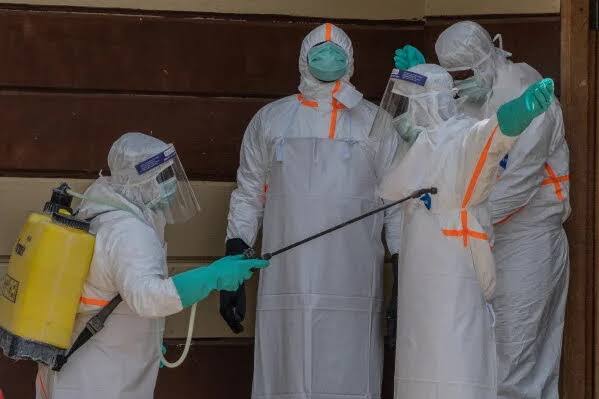
She urged healthcare workers to treat suspected cases with appropriate precautions and use personal protective equipment (PPE), including gloves, face shields and face masks, in line with relevant infection prevention protocols.
She also emphasised regular handwashing with soap and running water, recommending hand sanitiser where these were unavailable.
The ministry, she said, had contacted the chairman of the Association of Private Medical Practitioners to ensure that infection prevention messages reached private healthcare facilities.
Training for laboratory personnel was also ongoing to promote safe sample collection.
Ajetunmobi advised health workers assessing patients with compatible symptoms to take travel histories, including recent international travel, as part of their clinical assessment.
Isolation Centre Remains Operational
The commissioner said the government would strengthen vigilance at entry points through Port Health services, including the use of infrared thermometers to screen for fever.
She also confirmed that the Infectious Disease Centre at Olodo remained operational and had managed other infectious disease cases, including Lassa fever and suspected diphtheria cases, earlier in the year.
The state government’s immediate priorities are early detection, infection prevention, accurate public information and coordinated action across communities and healthcare facilities.
Although Oyo has reported no Ebola cases, the effectiveness of its preparedness measures will depend on sustained surveillance, prompt reporting and adherence to established public health guidance.
Atlantic Reports: Voices. People. Facts.
Written by
Atlantic Reports Admin
Comments
- Be the first to comment.