Runsewe Urges Nigerians in Diaspora to Respect Host Countries’ Laws and Culture
By Atlantic Reports
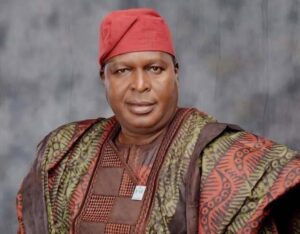
The President of the World Crafts Council (WCC), Africa Region, Olusegun Runsewe, has urged Nigerians living abroad to respect the laws, cultural values and public conduct regulations of their host countries to promote peaceful coexistence and protect Nigeria’s international reputation.
Runsewe made the appeal in Abuja on Saturday following reports that Dutch authorities had dispersed a gathering of Nigerians over an alleged breach of local regulations during an open-air street party.
He described the incident as regrettable and avoidable, arguing that cultural differences should not become a reason for violating local laws or creating tensions with host communities.
“Every society has conventions, norms and laws that guide social behaviour. As guests in another man’s land, we must respect those norms,” he said.
Runsewe, a former Director-General of the National Council for Arts and Culture, described the incident as an example of cultural practices being carried into a different social environment without sufficient consideration of local expectations.
Cultural celebrations require local understanding
Runsewe said communal celebrations were deeply rooted in Nigerian society, particularly in the South-West, where people often gather to mark achievements, family milestones and other significant occasions.
However, he noted that expectations surrounding public gatherings, noise and the use of shared spaces varied across countries and communities.
He said Nigerians organising social events abroad needed to understand the regulations governing public spaces, including requirements for permits and restrictions on noise or street gatherings.
“Unlike in Nigeria, most Western nations embrace an individualistic way of life. They value privacy, orderliness and the serenity of their environment.
“Loud, open-air social gatherings on the streets without approval infringe on those values,” he said.
His remarks highlighted the importance of distinguishing between cultural expression and compliance with the laws governing public behaviour.
Runsewe urged Nigerians in the Diaspora to familiarise themselves with local legal requirements before organising parties, festivals or other communal events.
He said such awareness would help Nigerians preserve their dignity, earn the respect of host communities and avoid preventable disputes.
“The Netherlands incident was a hangover of Nigerian culture in a foreign land, which must not be repeated by Nigerians anywhere in the world,” he warned.
The specific circumstances surrounding the reported dispersal, including the regulations allegedly breached and whether organisers had obtained the necessary permissions, were not detailed in the statement.
Runsewe cautions against generalising the incident
The WCC Africa president said the conduct of a few individuals should not be used to stigmatise Nigerians as a whole.
He maintained that Nigerians were widely recognised for their hard work, hospitality, peaceful disposition and respectfulness, urging communities abroad to ensure that isolated incidents did not undermine these attributes.
Runsewe also appealed to the Dutch government and people, particularly residents of the affected area, to show understanding and magnanimity over the incident.
His appeal came alongside a call for greater responsibility among Nigerians living overseas, particularly when their social and cultural activities take place in public spaces shared with residents of other backgrounds.
Diaspora groups urged to strengthen cultural orientation
Runsewe called on Nigerian Diaspora associations, cultural groups and community organisations across Europe, the Americas and other regions to strengthen programmes educating Nigerians about their host countries.
He said such initiatives should cover civic responsibility, cultural tolerance, local laws and the importance of securing the necessary approvals for public events.
According to him, cultural orientation should not require Nigerians to abandon their identity, but should help them express their traditions in ways that respect the rights and expectations of others.
“When we travel, we are ambassadors of Nigeria. We must export the best of our culture, which is respect, warmth and hospitality, and also respect the culture of others.
“That is the foundation for global understanding, peaceful coexistence and international diplomacy,” he said.
The appeal places responsibility on both individuals and community organisations to encourage lawful conduct while preserving Nigerian cultural traditions.
For Nigerians abroad, the practical lesson is that successful cultural exchange requires preparation, respect for local regulations and consideration for host communities. For organisers, checking permit requirements and noise restrictions before an event can help prevent avoidable confrontations.
Atlantic Reports: Voices. People. Facts.
Written by
Atlantic Reports Admin
Comments
- Be the first to comment.