Rural Network Blackout Hurting Kaduna Farmers, Businesses, Advocate Says
By Atlantic Reports
A rural enterprise advocate, Hassan Yakubu, has urged Kaduna State Governor Uba Sani to help restore telecommunications services in communities he says have remained disconnected since September 2021, disrupting agricultural trade, financial transactions and access to essential services.
In an open letter to the governor on Monday, Yakubu identified rural communities across Birnin Gwari and parts of Chikun, Giwa and Igabi Local Government Areas as affected.
He acknowledged that the original shutdown was introduced to address insecurity but said numerous villages remained without functional mobile networks despite subsequent directives to restore services.
For farmers and small businesses, he said, the prolonged loss of connectivity had weakened relationships with buyers, restricted payments and undermined livelihoods.
Coverage in towns, gaps in surrounding villages
Yakubu distinguished the situation in Birnin Gwari town from that of surrounding communities.
According to him, Glo provided good coverage in the town, MTN’s service was weak and Airtel was unavailable. His principal concern, however, was the absence of mobile network coverage in outlying villages and farming communities.
He suggested that some MTN and Airtel infrastructure might have been vandalised during the years of insecurity, while stressing that the operators would need to confirm its condition.
His account therefore raises separate questions about the implementation of restoration directives, the state of telecommunications infrastructure and the security conditions required for repairs.
Agricultural trade under pressure
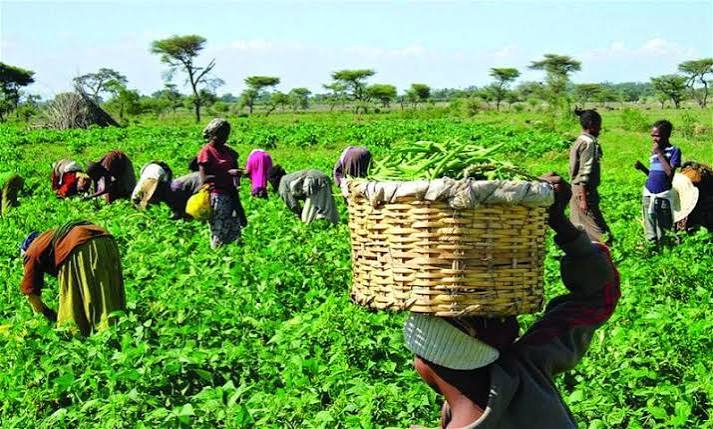
Yakubu cited Udawa in Chikun Local Government Area as an example of a farming community whose commercial activity had been constrained by poor connectivity.
He described the community as an important centre for red maize production and trade, attracting farmers, produce buyers, transporters and other traders from across Nigeria.
According to him, Udawa had remained without functional conventional mobile network services since 2021.
Some of his customers there, he said, reported that business partners had stopped sending money for agricultural purchases because reliable communication had become difficult.
The affected transactions included maize, goats, cattle and other agricultural produce.
Yakubu explained that buyers dealing with partners in distant cities needed dependable communication to negotiate prices, arrange transport and monitor purchases.
Disruptions to those relationships, he said, affected farmers, traders, transporters and labourers who loaded goods, with consequences extending to wholesalers, retailers and processors elsewhere.
Some residents who could afford alternative connectivity had turned to Starlink, he said. Others used WhatsApp voice notes and Facebook Messenger whenever they could obtain internet access.
Small businesses lose income
Drawing on nearly two decades of experience in recharge card distribution and SIM registration, Yakubu said the shutdown had severely damaged his own business activities.
Recharge card sales collapsed and SIM registration stopped when services were suspended, he said, leaving many agents without their usual sources of income.
Although he was able to continue operating elsewhere, he said many customers and business operators had no comparable alternatives.
He also identified point-of-sale operators, mobile money agents and recharge card retailers among those affected.
Yakubu warned that declining trade and business closures could reduce government revenue, while preventing agricultural communities from contributing more fully to employment and food production.
Banking, education and emergency access
Yakubu welcomed the resumption of Unity Bank operations in Birnin Gwari town after insecurity and attacks on banking infrastructure had disrupted conventional banking services.
However, he said the return of a bank to the town did not resolve the connectivity problems facing surrounding villages.
Students, he added, struggled to access online learning materials and register for examinations. Residents also faced difficulties using digital government services, contacting relatives and seeking emergency assistance.
He expressed concern that poor connectivity could restrict access to voter information and complicate the electronic upload of election results in affected communities during the 2027 general elections.
A coordinated restoration plan
Yakubu acknowledged what he described as improved security under Sani’s administration, saying farmers were returning to previously abandoned land and motorists could increasingly travel along the Birnin Gwari road beyond 4 p.m.
He argued that recovering agricultural and commercial activity needed to be supported by restored telecommunications services.
He urged the state government to convene the Nigerian Communications Commission (NCC), network operators, security agencies and community representatives to develop a practical restoration plan.
The first step, he said, should be to identify villages still without coverage, assess damaged infrastructure and provide adequate protection for engineers and other personnel undertaking repairs.
Yakubu also called for investigation of reported threats and attacks affecting restoration efforts. He urged the government to explore support through the NCC’s Universal Service Provision Fund for underserved communities.
The letter did not establish how many villages remained disconnected or provide operators’ assessments of the affected infrastructure. Those details would be necessary to determine the scale, cost and timetable of restoration.
For communities returning to farming and trade, Yakubu said reliable connectivity would help turn that recovery into sales, payments and renewed business relationships.
Atlantic Reports: Voices. People. Facts.
Written by
Atlantic Reports Admin
Comments
- Be the first to comment.