Russia-Africa Summit: Trade, Technology and Education Top Agenda as Moscow Meeting Approaches
By Atlantic Reports
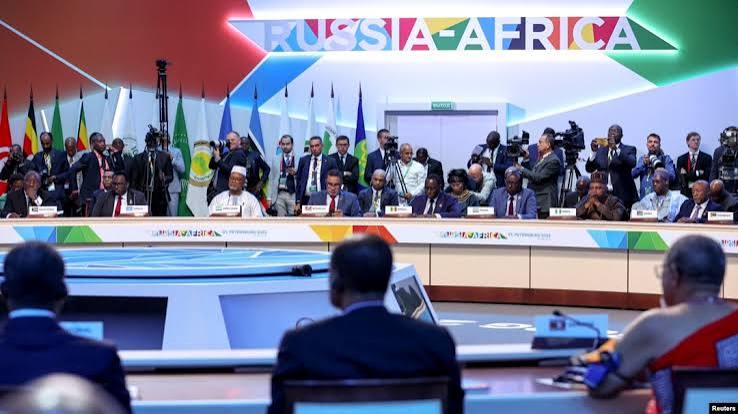
The forthcoming Russia-Africa Summit is attracting attention from diplomats, government officials and policy analysts, with expectations that the meeting could expand economic cooperation between Russia and African countries.
Scheduled for October 28 and 29 in Moscow, the summit comes amid shifts in international relations and continuing conflicts, prompting calls for a long-term partnership that delivers practical benefits for both sides.
However, stakeholders remain divided over the likely benefits for Africa, particularly in view of the outcomes of the previous summits in 2019 and 2023 and the comparatively low trade volume between Russia and the continent.
While supporters see opportunities in Russia’s industrial and technological capabilities, analysts say African governments must negotiate agreements that translate diplomatic engagement into investment, local production, employment and stronger regional trade.
Putin Signals Interest in Deeper Cooperation
Russian President Vladimir Putin has reiterated Moscow’s interest in strengthening its longstanding relations with African countries.
In a congratulatory message to African leaders for Africa Day 2026, Putin praised the continent’s economic and social progress and said African countries were gaining greater influence in international affairs.
He said the third summit would provide opportunities to expand mutually beneficial cooperation across several sectors.
Putin also highlighted developments in cooperation within the African Union and regional organisations, including efforts to respond collectively to conflicts and crises.
His remarks reflect Russia’s stated ambition to deepen engagement with African governments, although the practical benefits will depend on the agreements reached and their subsequent implementation.
Trade Gap Raises Questions About Economic Benefits
Russian Ambassador to Nigeria Andrey Podelyshev has identified economic and technological cooperation as areas where Russian expertise could benefit Nigeria and other African countries.
Speaking ahead of Russia Day celebrations on June 12, he highlighted Russia’s economic output and foreign trade as indicators of its industrial capacity.
Podelyshev said Russia’s nominal gross domestic product exceeded 201 trillion roubles at the end of 2024, equivalent to approximately $2.5 trillion at the exchange rate cited in his remarks. He also put the country’s purchasing power parity GDP at nearly $7 trillion and its 2024 foreign trade turnover at about $717 billion.
These figures illustrate the scale of the Russian economy, but economic size alone does not guarantee that African countries will secure favourable commercial terms or significant investment.
Some analysts estimate Russia-Africa trade at about $25 billion, considerably below the reported trade volumes between Africa and other major partners.
For comparison, the figures cited in the summit discussions place European Union-Africa trade at approximately $350 billion and China-Africa trade at about $280 billion. The figures cover different trading relationships and periods may vary, so direct comparisons require consistent data and definitions.
The gap nevertheless highlights the scale of the opportunity for expanding Russia-Africa commerce, provided agreements address practical barriers to trade.
Energy, Manufacturing and Digital Technology
Analysts have identified several sectors in which Russian capabilities could support African development, including automobile manufacturing, electricity generation, nuclear energy, oil and gas, agricultural machinery, artificial intelligence and information technology.
Other potential areas include space technology, aircraft engineering, petroleum refining and agricultural production.
For African countries, the central question is whether cooperation can move beyond the sale of finished products towards local manufacturing, skills development, technology transfer and the creation of regional supply chains.
One analyst said African diplomatic engagement should prioritise trade facilitation, expanded trade finance, local-currency settlements and joint investment in transport infrastructure, energy corridors and regional value chains.
Such measures could help reduce transaction barriers and enable African producers to process more of their raw materials locally.
However, the success of these proposals would depend on financing arrangements, commercial viability, infrastructure, regulatory conditions and the willingness of participating governments and businesses to commit resources.
Nigeria Pushes for Stronger African Economic Integration
Nigeria’s Minister of State for Foreign Affairs, Sola Enikanolaiye, has stressed the importance of placing trade and economic cooperation at the centre of Pan-African diplomacy.
He made the point during a regional engagement attended by representatives of the African Union Commission, the African Union Development Agency, the African Continental Free Trade Area Secretariat, Afreximbank and regional economic communities.
Enikanolaiye said Nigeria’s large population and entrepreneurial capacity made continental economic integration particularly important.
“For Nigeria, Africa is the centre piece of our foreign policy,” he said.
He argued that a larger, better-connected African market would create opportunities for manufacturers, farmers, innovators and service providers across the continent.
His position also carries implications for engagement with external partners such as Russia. Stronger African trade links could improve the continent’s bargaining position and make it easier for local businesses to participate in cross-border production and distribution.
Education and Cultural Exchanges
Beyond commerce, stakeholders have called for greater investment in education, research and cultural exchange.
Tunji Asaolu, Secretary-General of the United World Congress of Diplomats, emphasised the need for cooperation in education, including academic exchanges, research partnerships and programmes that develop human capacity.
Such initiatives could help build technical expertise and strengthen long-term relations between Russian and African institutions.
Ras Mubarak, Leader of the Trans-Africa Tourism and Unity Campaign, called for fewer visa restrictions across Africa, arguing that easier movement would support tourism, economic activity and cultural exchange.
He said restrictions could prevent people from exploring opportunities and experiencing other African cultures.
Inusah Ziblim, a former Minister-Consular Affairs at the Ghana High Commission in Abuja, also stressed the importance of collaboration among African states, arguing that public participation was essential to achieving shared development goals.
These proposals point to a broader dimension of international cooperation in which mobility, education and people-to-people contact can complement formal diplomatic and commercial agreements.
Security and Development Also on the Agenda
The summit is expected to address the current state and future prospects of Russia-Africa relations across key sectors, including diplomacy, security, energy, education and human capacity development.
Stakeholders have argued that cooperation should be grounded in peaceful coexistence, respect for cultural diversity and mutual respect for national sovereignty.
Knowledge transfer, technical training and educational partnerships are also expected to feature in discussions about strengthening long-term cooperation.
Nevertheless, the scale of the opportunities will need to be weighed against financing constraints, geopolitical pressures, trade barriers and the differing economic priorities of African countries.
From Diplomatic Promises to Measurable Results
The Moscow summit offers Russia and African governments another opportunity to define the direction of their relationship. But its significance will ultimately depend less on declarations than on the agreements that emerge and whether they produce measurable outcomes.
For African countries, priorities include securing investment that supports local industries, expanding access to technology, creating jobs, improving agricultural productivity and strengthening trade among African economies.
The implementation of any agreements will also matter. Commitments to investment, training or technology transfer need clear financing, timelines, responsible institutions and mechanisms for measuring progress.
With the summit approaching, the central challenge is to ensure that closer diplomatic relations translate into practical gains for businesses, workers, students and communities across Africa.
Atlantic Reports: Voices. People. Facts.
Written by
Atlantic Reports Admin
Comments
- Be the first to comment.