Security Expert Urges Police Reform Before Establishing State Police
By Atlantic Reports
Getso Questions Readiness for State Police
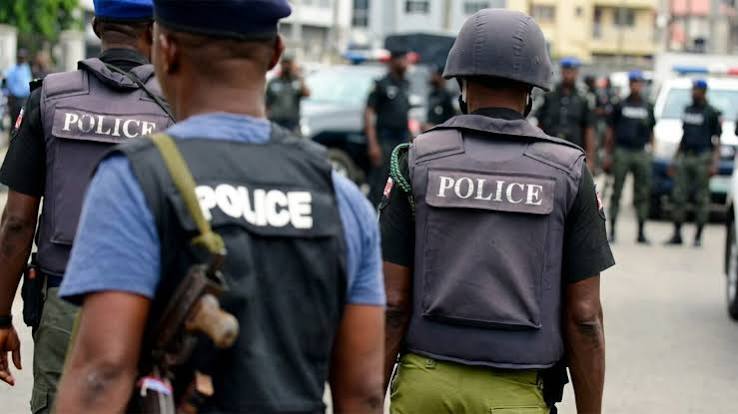
Security expert Dr Yahuza Getso has opposed the proposed establishment of state police in Nigeria, arguing that comprehensive reforms of the existing policing system should come before any decentralisation of police operations.
In an interview on Tuesday, Getso identified inadequate funding, corruption and politically influenced recruitment as challenges undermining the effectiveness of the Nigeria Police Force.
He expressed concern that transferring policing responsibilities to state governments without addressing these problems could reproduce existing weaknesses at the state level.
“What we need is first to fix the federal police, to identify the gaps through a needs assessment and provide what is required to sustain the system.
“What really led to the failure of the federal police? What efforts have we made in order to fix those issues?” he asked.
Funding and Recruitment Under Scrutiny
Getso questioned whether state governments had the financial and administrative capacity to establish and sustain effective police structures.
He warned that insufficient funding and political interference could undermine professionalism, operational independence and public confidence in state police commands.
The expert also alleged that favouritism and political influence affected recruitment into security agencies, potentially allowing unsuitable candidates to enter the services.
He maintained that recruitment should be based on competence, merit and established professional standards rather than personal connections.
To address the problems, Getso called for a comprehensive assessment of the Nigeria Police Force, covering funding, personnel, equipment, training and operational capacity.
He said the government should develop a clear implementation plan to address identified shortcomings and strengthen accountability within the force.
Police Budgets and Operational Capacity
Getso identified shortages of personnel, operational vehicles, equipment and basic investigative materials as constraints affecting police effectiveness.
He urged the government to examine police budgets over the past 11 years, comparing amounts appropriated with funds actually released and expenditure recorded.
Such an assessment, he argued, would help establish whether existing resources had been sufficient and how effectively they had been used.
His position places funding and institutional performance at the centre of the debate over state police, rather than treating decentralisation alone as a solution to Nigeria’s security challenges.
Concerns Over Political Interference
Getso also rejected the argument that state police should be established primarily to create employment opportunities for young Nigerians.
He argued that employment considerations should not determine security policy without adequate safeguards to protect professional standards and operational independence.
He warned that state police structures could become vulnerable to political manipulation if governance and accountability challenges remained unresolved.
The concerns centre on how state police would be recruited, funded, supervised and held accountable, particularly in situations where policing decisions could involve political interests.
Calls for Better Intelligence and Justice Reforms
Beyond police administration, Getso urged authorities to strengthen intelligence gathering and coordination among security agencies to identify criminal networks and improve responses to kidnapping.
He also called for reforms in the justice system, stressing that accountability and public confidence in the judiciary were important to tackling insecurity.
He maintained that improving recruitment standards, providing adequate resources and strengthening existing institutions should precede any expansion of Nigeria’s policing structure.
Getso said the government's primary responsibility was to protect lives and property and called on political leaders to demonstrate stronger commitment to addressing insecurity.
State Police Debate Continues
The proposal to establish state police remains part of wider deliberations on constitutional and security reforms in Nigeria.
The supplied report states that about 24 states had endorsed state police during ongoing deliberations on a bill passed by the National Assembly. However, state endorsements do not, by themselves, establish that the constitutional and legal process required to create state police has been completed.
The debate reflects competing concerns about the need for policing that responds more closely to local security conditions and the risks of political interference, uneven funding and weak oversight.
Getso's position is that reforming the existing police system should come first. Whether that approach or a decentralised model can better protect Nigerians will depend on the institutional safeguards, resources and accountability arrangements ultimately adopted.
Atlantic Reports: Voices. People. Facts.
Written by
Atlantic Reports Admin
Comments
- Be the first to comment.