South Africa Withdraws Asylum Directive After Violent Anti-Migrant Protests in Johannesburg, Durban
By Atlantic Reports
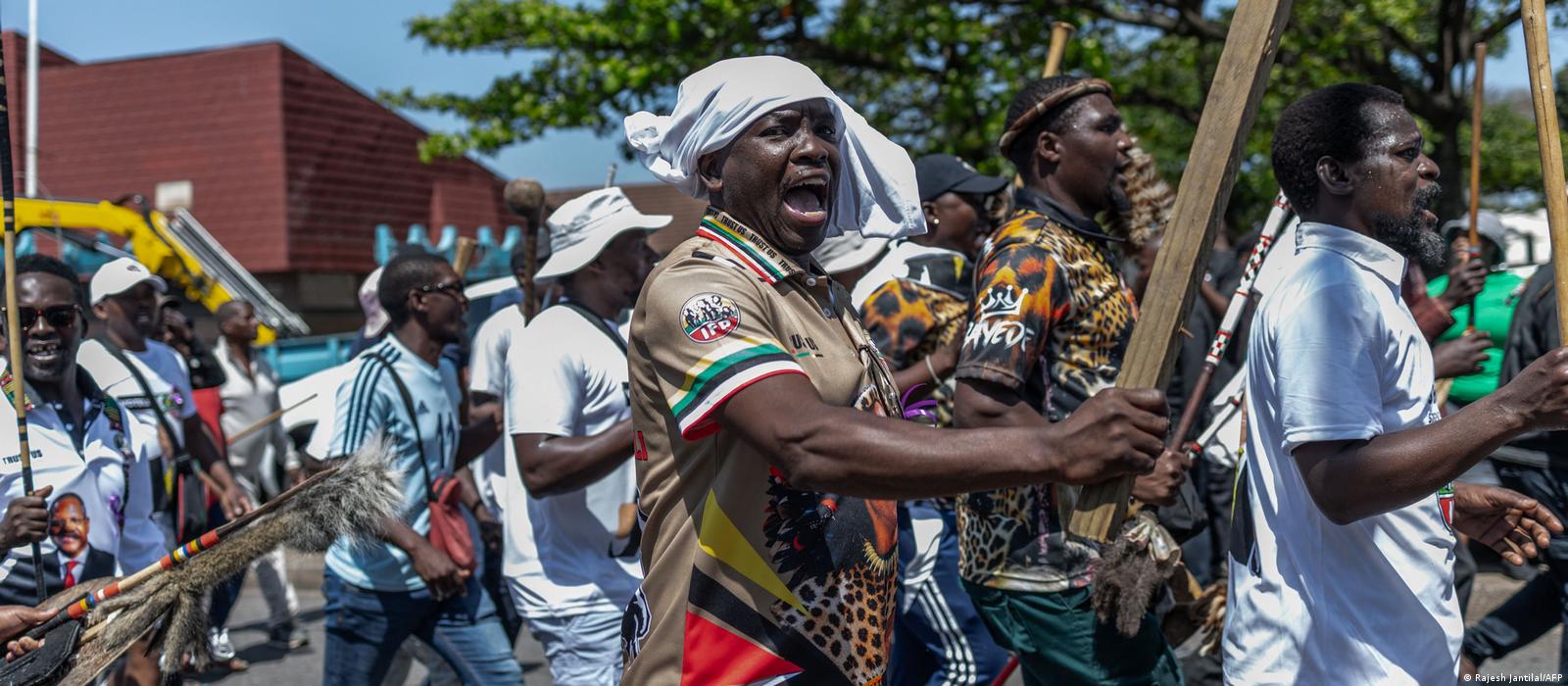
South Africa's Department of Home Affairs has withdrawn a directive intended to improve access to asylum applications following violent anti-migrant protests in Johannesburg and Durban, where vehicles were set ablaze and foreign-owned businesses looted.
The decision, announced on Friday, October 9, 2026, came a day after unrest in the two cities left at least 24 vehicles burnt and heightened concerns about the safety of foreign nationals living and working in South Africa.
The withdrawn directive was introduced to implement a July 7 Constitutional Court ruling that asylum seekers should not be excluded from the country's asylum system solely because of procedural irregularities, including unlawful entry.
However, the department said the operational measure had placed overwhelming pressure on refugee reception offices within days of its introduction, creating risks for immigration officials and threatening public safety.
The development has renewed debate over South Africa's responsibility to protect people seeking refuge while managing immigration procedures, public frustration and growing hostility towards foreign nationals.
Government Cites Safety Concerns, Pressure on Asylum Offices
The Department of Home Affairs explained that the directive was designed to give practical effect to the Constitutional Court's decision concerning access to asylum procedures.
Under the ruling, procedural violations such as entering South Africa without authorisation could not, by themselves, justify denying an individual the opportunity to seek asylum.
The department maintained that the directive was an administrative response to the judgment rather than a policy granting unrestricted immigration rights.
According to the government, refugee reception centres experienced an unexpected surge in demand shortly after implementation, overwhelming available facilities and exposing officials to potential security risks.
Authorities also blamed misinformation about the court ruling for contributing to public misunderstanding and tension.
The department stressed that the judgment did not automatically confer refugee status, permanent residence or other immigration entitlements on undocumented foreign nationals.
The withdrawal nevertheless raises questions about how the government intends to comply with the Constitutional Court's ruling while addressing the operational and security challenges identified by immigration authorities.
Protesters Burn 24 Vehicles, Loot Foreign-Owned Shops
Thursday's unrest was particularly destructive in parts of Durban and Johannesburg, including Soweto township.
According to police accounts, rioters set fire to 14 vehicles in Durban and another 10 in Soweto.
Foreign-owned shops were also targeted and looted during the disturbances, exposing migrant entrepreneurs and workers to property losses and potential threats to their livelihoods.
The reported attacks highlight the vulnerability of businesses operated by foreign nationals during periods of anti-immigrant mobilisation.
For many migrant traders, small shops provide an important source of income for their families and employment opportunities within surrounding communities.
Destruction of business premises and vehicles can therefore have consequences beyond immediate property damage, including lost income, disrupted supply chains and increased insecurity.
The available information does not establish the total financial losses, number of arrests or whether anyone sustained injuries during the violence.
Police Say Calm Has Returned to Affected Areas
South African police authorities said the security situation had stabilised following interventions in the affected communities.
A senior police official, Lieutenant-General Puleng Dimpane, confirmed during a briefing in Soweto that calm had returned to the township.
Dimpane spoke near the remains of vehicles destroyed during the unrest, underscoring the extent of the reported property damage.
In Durban, police spokesperson Robert Netshiunda similarly confirmed that the situation had stabilised.
He said the swift response of security personnel helped prevent further destruction.
Although police reported improved conditions, the incidents have raised concerns about the possibility of renewed violence and the protection available to foreign nationals whose businesses and property were targeted.
Court Ruling at the Centre of the Controversy
The dispute stems from the Constitutional Court's July 7 judgment in the Scalabrini Centre of Cape Town case, which addressed restrictions preventing certain asylum seekers from submitting applications because of immigration or administrative irregularities.
The ruling established that people seeking asylum should have their claims considered on their merits rather than automatically rejected because they entered the country unlawfully or failed to satisfy particular procedural requirements.
Crucially, the judgment did not grant automatic refugee status, citizenship or permanent residence.
Applicants must still undergo the relevant assessment procedures and establish that they qualify for protection under South African law.
The Department of Home Affairs issued its operational directive on September 28 to implement the judgment.
In its October 9 statement, the department clarified that the directive originated from its director-general's office without the involvement or prior knowledge of the Minister of Home Affairs or other political officeholders.
It also rejected suggestions that the directive had been politically motivated.
South African Government
+1
Anti-Migrant Sentiment Raises Wider Concerns
South Africa has experienced recurring tensions over immigration, particularly in communities facing unemployment, economic hardship and pressure on public services.
Foreign nationals have frequently been accused of contributing to unemployment, crime and competition for limited economic opportunities.
However, broad claims that migrants are responsible for these problems cannot be treated as established facts without reliable evidence.
The latest violence has renewed concerns about xenophobia, the protection of migrant communities and the responsibility of authorities to prevent attacks on people and property.
For migrants from other African countries, including those operating small businesses, such unrest can threaten economic security and community relationships.
The consequences also extend to South African citizens who work alongside foreign nationals, trade with migrant-owned businesses or depend on services provided by those enterprises.
Withdrawal Does Not Cancel Court Judgment
Despite withdrawing the directive, the Department of Home Affairs has acknowledged that it remains bound by the Constitutional Court's ruling.
The government says it will develop a revised operational approach that addresses security concerns and administrative capacity while complying with the judgment.
However, it has not announced a timetable for the replacement arrangements or explained precisely how affected asylum seekers will submit applications in the interim.
South African Government
This leaves several important questions unanswered, particularly for individuals seeking protection from persecution or serious harm in their countries of origin.
South African authorities must now reconcile three competing pressures: implementing a binding judicial decision, maintaining public order and ensuring that immigration procedures remain accessible and legally compliant.
The immediate challenge is restoring confidence in the asylum system while protecting residents, foreign nationals, public officials and businesses from further violence.
Atlantic Reports: Voices. People. Facts.
Written by
Atlantic Reports Admin
Comments
- Be the first to comment.