South African Cities Tighten Water Restrictions as El Niño Raises Drought Fears
By Atlantic Reports
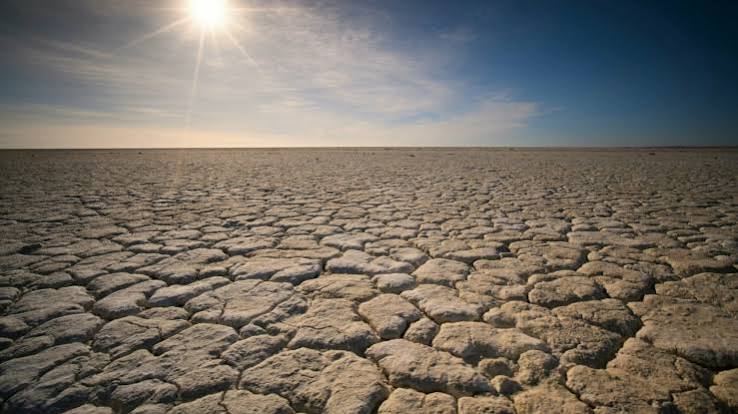
Major South African cities are tightening water restrictions as the developing El Niño weather phenomenon raises the risk of drought and places additional pressure on already strained water supplies.
Authorities have introduced Level 2 water restrictions across Gauteng Province, covering Johannesburg and the Tshwane Metropolitan Municipality, which includes Pretoria.
Cape Town is also preparing to introduce Level 1 restrictions from December 1, requiring a 10 per cent reduction in water consumption.
The measures are intended to reduce demand, protect available supplies and limit the risk of shortages during the coming summer months.
Johannesburg targets 200 million litres in daily savings
Johannesburg's municipal government estimates that daily water consumption needs to fall by 200 million litres to stabilise supplies and ease pressure on reservoirs.
Under South Africa's water restriction framework, Level 2 measures prohibit residents from using municipal tap water to irrigate gardens and public green spaces.
Level 1 restrictions, which Cape Town is due to introduce, focus mainly on reducing non-essential outdoor water use.
Households that exceed their allocated consumption limits may also face higher charges.
The restrictions reflect growing concerns about the sustainability of urban water supplies as demand, climate pressures and infrastructure challenges converge.
El Niño raises concerns over hotter, drier conditions
South Africa's weather service has warned that the current El Niño event could become one of the strongest on record, with below-average rainfall and above-average temperatures expected during the coming summer.
El Niño is a naturally occurring climate phenomenon associated with the periodic warming of sea-surface temperatures in the central and eastern equatorial Pacific Ocean.
The phenomenon can alter weather patterns across different regions, increasing the likelihood of drought in some areas while contributing to heavier rainfall elsewhere.
Ferrial Adam, executive director of WaterCAN, a Johannesburg-based community action network focused on water quality and related issues, said climate conditions and ageing infrastructure were worsening the country's water challenges.
She said warmer ocean conditions associated with El Niño could contribute to weather patterns that bring hotter and drier conditions.
Adam's comments highlight the importance of addressing both climate-related pressures and weaknesses in water infrastructure.
Agriculture and food prices face additional pressure
Beyond urban water supplies, prolonged dry conditions and extreme heat could affect agricultural production across South Africa and neighbouring countries.
Reduced rainfall may affect planting, crop development and harvests, particularly in areas where farmers depend heavily on seasonal rainfall.
The source report warns that lower agricultural output could contribute to higher food prices from March 2027, adding to existing food security concerns across southern Africa.
However, the scale of any impact will depend on rainfall patterns, temperatures, water availability and the resilience of agricultural systems.
Infrastructure investment and responsible water use
The restrictions also draw attention to the need for stronger water management beyond emergency conservation measures.
Ageing infrastructure, leakage, maintenance challenges and rising demand can weaken supply systems, making cities more vulnerable when rainfall declines.
While household conservation can help reduce pressure on reservoirs, sustainable water security will also require investment in infrastructure maintenance, efficient distribution networks and long-term planning.
For residents and businesses, the immediate challenge is to adapt consumption to the restrictions while authorities work to protect supplies during the potentially difficult months ahead.
Atlantic Reports: Voices. People. Facts.
Written by
Atlantic Reports Admin
Comments
- Be the first to comment.