UBTH Specialist Urges Regular Diabetes Screening to Prevent Complications
By Atlantic Reports
A Consultant Physician and Endocrinologist at the University of Benin Teaching Hospital (UBTH), Dr Obiageli Nnaecheta, has urged Nigerians to prioritise regular blood sugar screening to detect diabetes early and reduce the risk of serious complications.
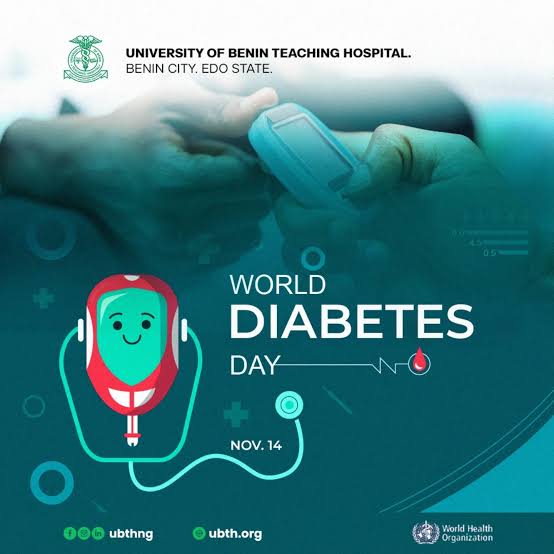
Nnaecheta made the appeal in a statement marking the 2026 World Diabetes Day, observed on November 14 under the theme, “Early Action on Diabetes”.
She said early diagnosis was particularly important for Type 2 diabetes because the condition could develop without noticeable symptoms, allowing complications to emerge before some patients become aware that they have the disease.
According to her, an estimated 635 million adults worldwide are at high risk of developing Type 2 diabetes, while up to 50 per cent of people with diabetes globally already have complications when they are diagnosed.
Lifestyle changes can reduce diabetes risk
Nnaecheta identified healthy eating, regular physical activity, maintaining a healthy weight, avoiding tobacco use and routine blood sugar checks as important measures for reducing the risk of Type 2 diabetes.
She particularly encouraged people with known risk factors to undergo regular screening to improve the chances of early detection.
She also stressed that people diagnosed with diabetes should receive appropriate care and timely treatment from qualified healthcare professionals, alongside access to relevant support services.
Diabetes occurs when the body cannot produce enough insulin or use it effectively to regulate blood glucose levels. Without appropriate management, persistently high blood sugar can damage several organs and body systems.
UBTH pledges continued screening and awareness
The endocrinologist said UBTH remained committed to promoting diabetes awareness, providing screening services for its staff and members of the public, and delivering healthcare to patients living with the condition.
She urged Nigerians to understand their individual risk factors, seek medical screening and adopt healthier habits to reduce the likelihood of developing diabetes-related complications.
Why early detection matters
Uncontrolled diabetes can increase the risk of heart disease, kidney failure, nerve damage and blindness. Early diagnosis allows patients and healthcare professionals to begin appropriate management before further damage occurs.
However, awareness must be supported by accessible screening services, affordable treatment, regular monitoring and sustained patient education.
For Nigerians at risk, the message from the UBTH specialist is clear: waiting for symptoms before checking blood sugar levels may delay diagnosis. Regular screening and timely medical attention remain important parts of diabetes prevention and management.
Atlantic Reports: Voices. People. Facts.
Written by
Atlantic Reports Admin
Comments
- Be the first to comment.