UN Highlights Nigeria’s Rural Electrification Programme, Cites 5 Million Beneficiaries
By Atlantic Reports
The recognition is contained in the World Social Report 2026, released by the UN Department of Economic and Social Affairs (UN DESA).
The report highlights Nigeria’s Electrification Project as an approach to improving energy access in developing countries, citing earlier World Bank data on the programme’s reach and employment impact.
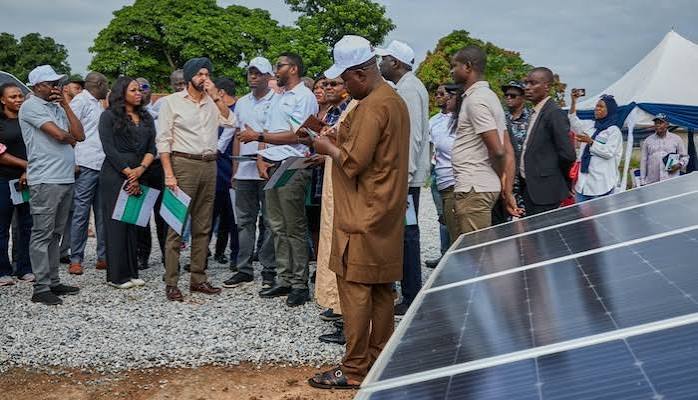
According to the report, the initiative supported the establishment of 125 mini-grids and the sale of more than one million solar home systems.
These interventions reportedly provided electricity access to more than five million Nigerians and supported the creation of over 5,000 green jobs.
Subsidies Attract Private Investment
The UN described Nigeria’s use of subsidies for rural mini-grids as a policy experience that combines efforts to make electricity affordable with private-sector participation.
It explained that targeted financial support could reduce electricity costs for poorer households while encouraging businesses to invest in communities that might otherwise struggle to attract energy infrastructure.
The approach is particularly relevant to rural areas where extending conventional electricity networks can be difficult or expensive.
However, expanding access remains only one measure of progress. Affordability, reliability, maintenance and the ability of households and businesses to use electricity productively are also important to the long-term impact of rural electrification.
Solar Energy Offers Opportunities for Agriculture
The report also identified Nigeria and Ghana as countries pioneering the integration of solar panels into agricultural land.
The approach, which allows electricity generation and farming to take place on the same land, could create additional opportunities for rural communities.
According to the UN, combining renewable energy with agriculture could strengthen food security, improve water management and expand economic opportunities.
For farmers, access to reliable electricity can support activities such as irrigation, crop processing and storage, although the benefits depend on the design, cost and implementation of individual projects.
Nigeria’s Economic Transformation Assessment
The World Social Report 2026 also assessed Nigeria using a framework that measures economic transformation alongside social inclusion.
Nigeria recorded a transformation score of 44.30 and an inclusiveness score of 56.36, producing a combined index score of 100.67.
The assessment formed part of a comparative analysis covering 168 countries and examining economic, digital, energy and social development between 2000 and 2024.
The UN cautioned that economic growth and technological progress do not automatically ensure that vulnerable populations benefit from development.
The findings underline the importance of linking infrastructure investment with policies that improve access to essential services, create economic opportunities and ensure that development reaches underserved communities.
For Nigeria, the longer-term test will be whether electricity access translates into sustained improvements in household welfare, agricultural productivity and rural livelihoods.
Atlantic Reports: Voices. People. Facts.
Written by
Atlantic Reports Admin
Comments
- Be the first to comment.