UN, WHO Condemn Killing of Ebola Response Nurse in DR Congo
By Atlantic Reports
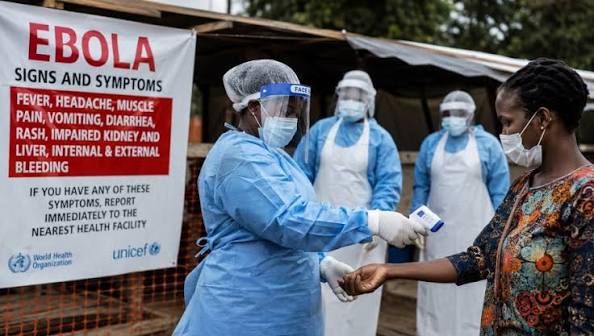
Nurse Killed While Responding to Ebola Alert
The nurse was killed by protesters in Bafwasende, a rural town in Tshopo Province, on Saturday while responding to an Ebola alert.
Another health worker was severely injured in the attack and remains in hospital.
Julien Harneis, the UN Senior Ebola Response Coordinator, condemned the incident in a statement on Monday and extended condolences to the victim’s family and colleagues.
“I strongly condemn this attack and call for a thorough investigation,” he said.
“I urge communities to protect health workers and allow them to carry out their work safely.”
The WHO Director-General, Tedros Ghebreyesus, also expressed condolences in a social media post and wished the injured health worker a swift and full recovery.
“Everyone working to protect communities from this deadly disease must be able to work in dignity and safety,” he wrote on X.
“Healthcare must always be protected.”
The calls for an investigation come amid continuing efforts to contain the outbreak and protect frontline workers whose activities include responding to alerts, investigating suspected infections and supporting affected communities.
Ebola Outbreak Continues to Challenge DR Congo
The killing occurred as health authorities continued responding to an outbreak of Ebola disease caused by the Bundibugyo virus, for which no specifically approved vaccine is currently available.
According to recent WHO figures cited in the report, more than 9,760 cases and approximately 4,727 deaths had been recorded in the DRC since the outbreak was declared on 15 May.
The outbreak has been described as the deadliest in the country’s history.
Initially reported in the conflict-affected eastern region, it has spread to eight provinces: Bas-Uélé, Haut-Uélé, Ituri, North Kivu, South Kivu, Sud Ubangi, Tshopo and Nord-Ubangi.
The outbreak has placed additional pressure on public health services and increased the importance of community cooperation with healthcare workers.
Attacks on responders can disrupt surveillance and delay investigations into suspected cases, making it more difficult to identify infections and limit further transmission.
Nigeria Reports No Current Cases After Evacuation
Uganda also experienced a smaller Ebola outbreak, which was declared over in August. France, Kenya and Nigeria have also reported cases linked to the wider public health situation, according to the supplied report.
Nigeria confirmed its first case last week involving a woman who had travelled from Uganda.
The patient and her husband, identified as a contact, were medically evacuated to Switzerland on Monday morning, the WHO said. Both are Swiss citizens, and the patient was reported to be clinically stable.
Dr Mohamed Janabi, WHO Regional Director for Africa, praised the Nigerian response team for managing the patient during the acute phase of the illness and stabilising her condition before the evacuation.
“The Nigerian medical team successfully managed her through the acute phase of the illness and stabilised her condition,” Janabi wrote on X.
He congratulated the Nigerian Government, healthcare workers, clinicians, emergency responders and others involved in the response.
“This is a remarkable achievement and a testament to what Africa can accomplish when we work together,” he said.
Janabi said the evacuation meant Nigeria had no current Ebola cases at that point, while emphasising that vigilance remained essential.
Contact Monitoring and Public Health Vigilance Continue
Despite the evacuation, Nigeria’s response was not over.
Janabi said Nigerian authorities would continue monitoring 52 contacts, while Switzerland would assume responsibility for the patient’s continued care and follow-up of her husband.
Contact monitoring is an important part of outbreak control because people exposed to an infected person may require observation during the relevant incubation period.
Health authorities must also maintain surveillance, investigate suspected cases promptly and communicate clearly with the public.
The attack in Bafwasende underscores the risks faced by frontline responders and the importance of ensuring their safety as they carry out essential public health work.
The UN and WHO have called for accountability over the killing and urged communities to allow health workers to perform their duties without fear of violence.
Atlantic Reports: Voices. People. Facts.
Written by
Atlantic Reports Admin
Comments
- Be the first to comment.