UNESCO, Partners Unveil Fact-Checking Workbook for Children
By Atlantic Reports
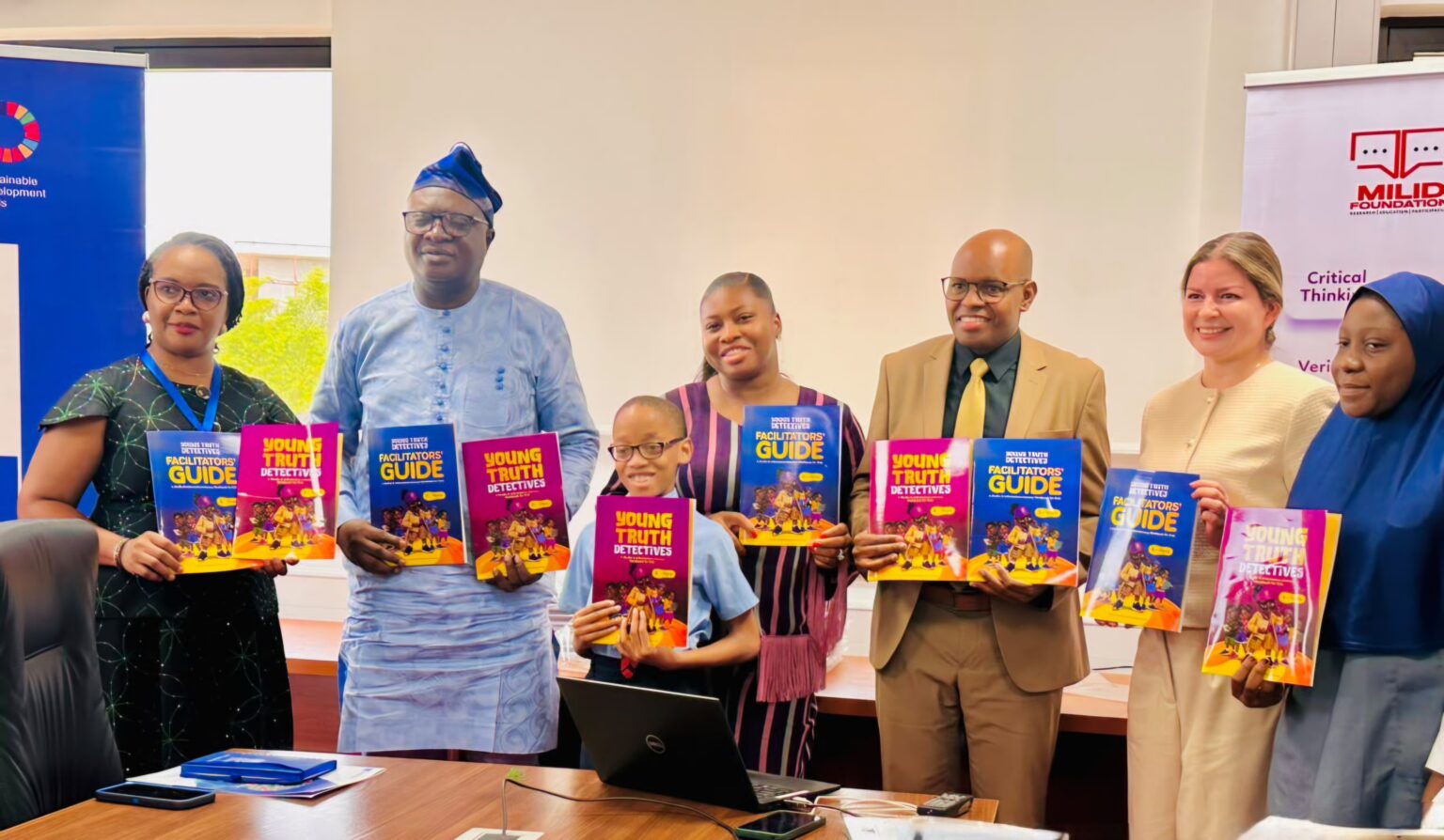
UNESCO and its partners have unveiled a media and information literacy workbook designed to help children aged six to 10 recognise false information and navigate online dangers.
The workbook, Young Truth Detectives, and an accompanying facilitator’s guide were presented in Abuja on Thursday. They are intended for use by teachers, parents and community members in schools and informal learning settings.
Written by Mrs Chiamaka Okafor-Onumah, Executive Director of the Media and Information Literacy and Intercultural Dialogue Foundation, the workbook contains six interactive missions aimed at developing responsible information habits from an early age.
The presentation was hosted by UNESCO, the MILID Foundation, Zedx Original and Two Books One Pen Enhancement Initiative.
Learning to Question Before Sharing
UNESCO Representative to Nigeria and Head of its Abuja Office, Dr Isaías Barreto da Rosa, said education was essential to addressing misinformation, disinformation and hate speech.
“When we teach our young children how to be detectives of truth, how to check facts, how not to share information that are not verified, we are contributing to a better society and that is why this initiative is particularly important,” he said.
He said UNESCO supported the project because media and information literacy was central to responsible engagement with information and social media.
Secretary-General of the Nigerian National Commission for UNESCO, Dr Lateef Idowu Olagunju, said children needed to learn to question information, identify its source and consider why it had been published.
He also welcomed digital learning resources, including cartoons, as ways to make the lessons accessible and engaging.
Parents Also Need Digital Awareness
Dr Sharon Omotoso, Director of the International Media and Information Literacy Institute, urged parents and other stakeholders to share responsibility for guiding children’s use of media and technology.
She said parental involvement should extend beyond monitoring online activity to understanding emerging risks.
Omotoso identified online scams, identity theft, exploitation, security breaches and misuse of artificial intelligence among the threats children could encounter.
She called for broader media literacy education to help children recognise harmful interactions and assess the information they receive.
Rural Access and Local Languages
Okafor-Onumah said the project sought to reach children before unreliable information habits became established, complementing interventions aimed at adults, journalists and older young people.
The facilitator’s guide, she said, would support lessons in schools, churches, mosques and other community settings.
She said the organisers would seek partners willing to adopt schools, particularly in rural and underserved communities, to extend access beyond urban centres.
The materials are currently available in English, with local-language translations planned. No translation or distribution timetable was announced.
Okafor-Onumah said the books were not yet for sale because the organisers wanted to assess their usefulness and impact before deciding on the next steps.
That assessment will be important in establishing whether the activities improve children’s ability to evaluate information and make safer decisions about what they consume and share.
Atlantic Reports: Voices. People. Facts.
Written by
Atlantic Reports Admin
Comments
- Be the first to comment.