UNHCR Warns Climate Crisis Threatens Nearly 90 Million Displaced People
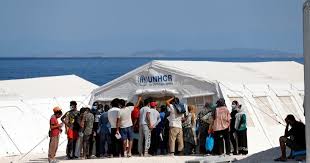
By Atlantic Reports
UNHCR issued the warning in a statement on Friday ahead of the 2026 United Nations Climate Change Conference (COP31), scheduled to take place in Antalya, Türkiye, from November 9 to 20.
According to the agency’s latest report, approximately three in four forcibly displaced people globally live in countries facing high to extreme exposure to climate-related hazards.
Many have already fled conflict, violence and persecution, only to encounter further threats in locations where resources, infrastructure and opportunities to adapt to climate change remain severely limited.
The report features the experiences of eight representatives from displaced communities on the frontline of the climate crisis, highlighting how changing environmental conditions affect their safety, livelihoods and prospects of rebuilding their lives.
It also documents the resilience and locally developed solutions of displaced communities, stressing the importance of including their voices in decisions shaping global climate policies.
“Refugees face a double injustice. Forced to flee conflicts they did not cause, they are now on the frontlines of a climate crisis they have contributed least to,” UNHCR Assistant High Commissioner for Operations, Antón García, said.
“For millions, climate change is not a distant threat. It is destroying shelters, undermining livelihoods and putting their hopes of rebuilding their lives at risk.
“We cannot allow those who have already lost so much to be left behind in global climate action,” he added.
Climate Hazards Threaten Safe Returns
UNHCR warned that climate change is increasingly undermining prospects for lasting solutions for displaced populations.
More than two in three refugees who returned home during the first half of 2026 went back to countries highly vulnerable to climate hazards, raising concerns about the sustainability of their return.
In Syria, where nearly four million displaced people have recently returned, declining groundwater levels and severe climate shocks are threatening recovery efforts.
Flooding along the Euphrates River in May 2026 also damaged homes and displaced thousands of people again, exposing the difficulties facing communities attempting to rebuild their lives.
The agency stressed that return programmes must consider environmental conditions and invest in resilience to prevent returning families from facing renewed displacement.
Extreme Heat Threatens Refugee Settlements
Extreme temperatures are emerging as another major threat, particularly across sub-Saharan Africa.
UNHCR projections indicate that by 2050, one in three refugee settlements in the region could experience at least 100 days of dangerous heat annually.
More than half of all locations assessed could face at least 50 additional days of dangerous heat each year.
In some Ethiopian settlements, including Helaweyn, dangerous heat could persist for more than 200 days annually.
Such conditions could increase health risks, undermine livelihoods and make it increasingly difficult for displaced people to remain in places where they have sought safety.
Weather Disasters Drive Millions from Their Homes
The report also highlighted the growing contribution of weather-related disasters to internal displacement.
According to UNHCR, weather-related disasters triggered more than 255 million internal displacements worldwide over the past decade, equivalent to approximately 70,000 daily displacement movements.
In East Africa, forecasts indicate that severe flooding associated with a very strong El Niño could displace up to three million people across Somalia, Kenya, South Sudan and Uganda by the end of 2026, depending on the severity of the floods.
The region experienced significant flooding in 2023, when more than two million people were displaced, including families forced to flee their homes multiple times.
The figures underline the growing pressure on communities already facing insecurity, food shortages and limited access to essential services.
Climate Change Raises Statelessness Concerns
UNHCR also warned that climate change could worsen statelessness, particularly among populations living in environmentally vulnerable countries.
Nearly 90 per cent of the world's 4.7 million reported stateless people live in countries facing high to extreme exposure to climate hazards.
Without legal recognition, many stateless people struggle to access emergency assistance, disaster relief and programmes designed to help communities adapt to environmental changes.
This lack of legal protection increases their vulnerability when climate-related disasters destroy homes, livelihoods and essential infrastructure.
UNHCR Raises Concerns Over Climate Financing
Despite the growing risks, UNHCR said climate finance remained inadequate in reaching communities most affected by displacement and environmental threats.
Fragile and conflict-affected countries receive only about 10 per cent of global climate finance, despite hosting large displaced populations and facing severe climate impacts.
The agency called for greater investment in climate adaptation, particularly in communities hosting refugees and areas where displaced people are expected to return.
García said climate adaptation in fragile and displacement-affected areas was essential for survival.
“We need climate financing to reach the communities where the needs are greatest. Investing in resilience, livelihoods and sustainable solutions today can help prevent further displacement tomorrow. Refugees and their host communities must be part of these investments, not an afterthought,” he said.
Displaced Communities Develop Local Climate Solutions
Despite the challenges, displaced populations and their host communities are already developing practical responses to climate-related threats.
UNHCR highlighted initiatives including solar-powered water systems in the Sahel, climate-resilient agriculture in Uganda, and land and mangrove restoration projects in Colombia.
The agency said it was working with governments, development partners and private-sector organisations to support and expand such initiatives.
These programmes are intended to strengthen community resilience, improve livelihoods and promote greater self-reliance among displaced populations.
COP31 to Address Displacement and Climate Protection
At COP31 in Türkiye, UNHCR plans to urge governments and climate finance institutions to include refugees and displaced people in national climate plans and financing arrangements.
The agency will also advocate increased long-term investment in climate adaptation in fragile and displacement-affected areas, alongside a shift from short-term humanitarian assistance towards sustainable, locally led solutions.
Türkiye's role as one of the world's largest refugee-hosting countries gives the conference an opportunity to address the relationship between climate change, displacement and the responsibilities of host communities.
García urged governments to translate climate commitments into practical investments that reach vulnerable populations.
“Refugees are on the frontlines of the climate crisis, but they are also part of the solution.
“COP31 must be a turning point, recognising their leadership and translating bold commitments into concrete investments that reach those most at risk. The decisions taken here must deliver lasting protection, stronger resilience and a safer future for millions of people forced to flee,” he said.
As climate pressures intensify, the challenge facing governments and international institutions will be to ensure that people displaced by conflict and environmental disasters are not excluded from the resources and decisions needed to rebuild their lives.
Atlantic Reports: Voices. People. Facts.
Written by
Atlantic Reports Admin
Comments
- Be the first to comment.