UniCal Alumni Train 1,000 Final-Year Students in Agribusiness to Tackle Unemployment
By Atlantic Reports
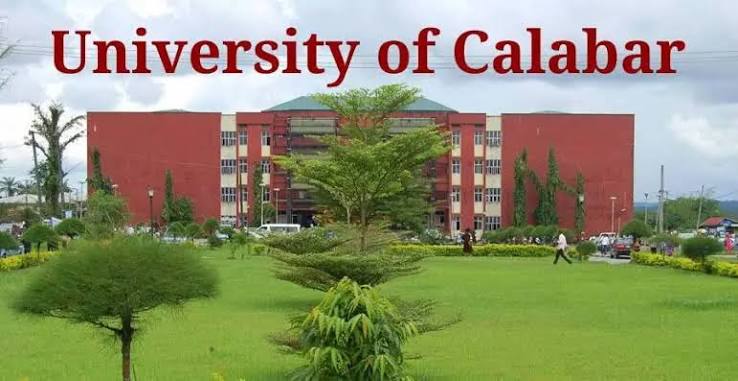
The University of Calabar (UniCal) Alumni Association Worldwide has trained 1,000 final-year students in agribusiness as part of efforts to address graduate unemployment and promote entrepreneurship among young Nigerians.
The programme is designed to equip participants with practical agricultural knowledge and business skills to explore alternative sources of livelihood while pursuing opportunities in their respective professions.
The training, tagged Agropreneurship, was officially opened by the university's Vice-Chancellor, Prof. Offiong Offiong, in Calabar on Thursday.
Organised under an entrepreneurship development initiative, the programme aims to prepare graduating students to identify agricultural opportunities, establish businesses and create jobs rather than depend exclusively on the increasingly competitive formal employment market.
Alumni association promotes self-reliance
The National Vice-President I of the association, Mrs Chinyere Sani, said the initiative was designed to provide students with practical skills to sustain themselves after graduation.
She explained that the programme would expose participants to agricultural business opportunities beyond their conventional academic disciplines.
“Jobs are not guaranteed, so we want them to have something to fall back on after graduation.
“With the economy as it is, everybody is looking for a second means of income. This training will help them discover their interests and acquire skills to fend for themselves while waiting for opportunities in their respective professions,” she said.
Sani clarified that the programme was not primarily designed to provide immediate financial assistance or start-up capital but to equip participants with the knowledge needed to identify and develop viable agricultural ventures.
Vice-Chancellor highlights opportunities in agriculture
Declaring the programme open, Vice-Chancellor Offiong, represented by the Dean of the Faculty of Agriculture, Prof. Ele Edebi, described agriculture as an important economic sector capable of reducing unemployment and stimulating wealth creation.
He urged the students to take the training seriously, noting that agricultural entrepreneurship could enable graduates to become employers of labour rather than depend entirely on government and private-sector employment.
He encouraged participants to explore opportunities across agricultural production, processing and marketing.
The Vice-Chancellor cited egg production as an example of a potentially profitable venture, observing that demand for eggs in Calabar remained higher than supply.
He said the gap between demand and supply presented opportunities for young graduates to invest in poultry farming and other agricultural businesses.
“There is money in the soil. Let your money work for you,” he said.
Alumni president advocates practical skills
The President of UniCal Alumni Association Worldwide, Mr Paul Ishiemomoh, said the programme formed part of the association's efforts to improve graduate employability and entrepreneurial capacity.
He explained that graduate outcomes should be considered when assessing university performance, arguing that the value of a degree should extend beyond academic certificates to include the ability to secure employment or establish viable businesses.
Ishiemomoh said concerns about graduate unemployment had encouraged the association to support initiatives that would help reposition graduates for changing economic realities.
He cautioned students against assuming that obtaining a university degree automatically guaranteed white-collar employment, stressing the growing importance of practical skills and entrepreneurial knowledge.
Sharing his personal experience, the lawyer disclosed that he had undergone training in snail rearing, fish farming and other agricultural ventures despite his professional background.
He said the experience demonstrated that people could acquire agricultural skills regardless of their academic disciplines and use them to generate additional income.
He also cited the example of a university-trained public administration graduate who had become an agricultural trainer.
According to him, modern agricultural opportunities are not restricted to people with large expanses of land, as some ventures can operate within relatively small spaces.
“Food can never go out of fashion. Today, you will be exposed to practical techniques of agriculture which no textbook will ever teach you,” he said.
Ishiemomoh urged participants to maximise the training opportunities and apply their knowledge to establish sustainable agricultural businesses.
He said the association expected the students to develop viable enterprises that could eventually create employment for other graduates.
Beyond training: Turning agricultural skills into businesses
The initiative highlights the potential of agribusiness as an alternative pathway for graduates facing a competitive employment market.
However, translating training into sustainable businesses will require more than technical knowledge. Access to affordable financing, land, equipment, agricultural inputs, storage facilities and reliable markets will remain important considerations.
The association has clarified that immediate start-up funding is not the primary objective of the programme. Consequently, access to the resources needed to turn acquired skills into operating businesses remains an important challenge.
Ultimately, the programme's success will be measured not only by the number of students trained but also by how many establish viable enterprises, generate income and create employment opportunities.
Atlantic Reports: Voices. People. Facts.
Written by
Atlantic Reports Admin
Comments
- Be the first to comment.