UNICEF Calls for Greater Investment to Secure Nigeria’s Children’s Future
By Atlantic Reports
The United Nations Children’s Fund (UNICEF) has called for increased investment, stronger partnerships and innovative solutions to improve children’s survival, education, protection and development in Nigeria.
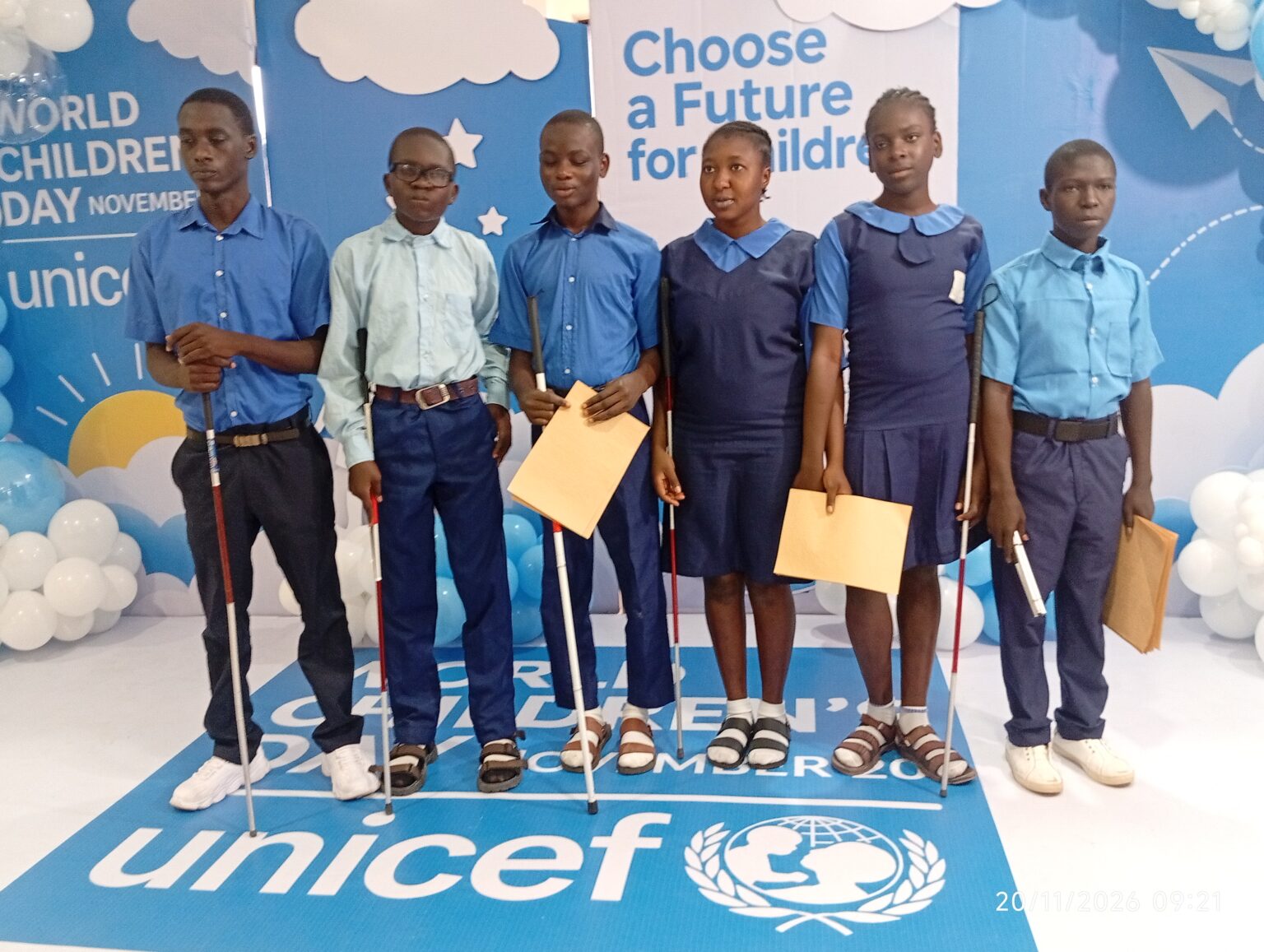
The appeal was made on Friday by UNICEF’s Acting Representative in Nigeria, Charles Lolika, during the 2026 World Children’s Day celebration in Abuja.
Held under the theme, “Every Child Alive, Thriving and Learning: A Shared Responsibility”, the event also marked 80 years of UNICEF’s global work for children.
Lolika said the next phase of the organisation’s work, beginning in 2027, would require renewed commitment from governments, development partners, communities and other stakeholders.
He stressed that children must remain central to national development, adding that their voices, aspirations and concerns should influence decisions affecting their future.
UNICEF, he said, had worked with governments and communities around the world for eight decades, while its operations in Nigeria began in 1952.
Funding gaps threaten progress in education
Although Nigeria has recorded progress in maternal and newborn healthcare, school enrolment and sanitation, Lolika said significant challenges remained.
He identified the large number of out-of-school children, particularly in northern Nigeria, as a major concern requiring sustained intervention.
UNICEF and its partners are exploring alternative learning opportunities and skills-development programmes for children who cannot return to formal education.
These include apprenticeships and entrepreneurship initiatives designed to help young people acquire practical skills and improve their prospects.
However, Lolika said the programmes remained limited in scale because of funding constraints.
He called for additional resources to expand the initiatives and reach more children who risk being excluded from education and skills development.
The challenge highlights the need for education interventions that address not only school enrolment but also access, retention, learning quality and opportunities for children outside conventional classrooms.
Malnutrition and early childhood development
UNICEF Nigeria’s Chief of Communication, Lona Hvass, said progress was being made in addressing child malnutrition, although the pace remained slower than desired.
She identified the first 1,000 days, from conception until a child reaches two years, as a critical period for brain development and overall growth.
Hvass emphasised the importance of adequate maternal nutrition, healthcare, micronutrient supplementation and exclusive breastfeeding during the first six months of life.
She also urged employers to provide supportive working conditions that would enable mothers to breastfeed their babies.
Her remarks draw attention to the connection between child nutrition, maternal healthcare and workplace policies, particularly for women balancing employment with childcare responsibilities.
Immunisation remains a major concern
Hvass also raised concerns about Nigeria’s large population of zero-dose children, referring to children who have not received routine vaccination.
She described immunisation as essential to protecting children against preventable diseases.
According to her, UNICEF is working with government institutions and trusted community members to address vaccine hesitancy and encourage parents to complete their children’s vaccination schedules.
Expanding vaccination coverage will require accessible health services, reliable vaccine supplies, community engagement and public confidence in immunisation programmes.
Children demand inclusive education and support
The celebration also provided children with an opportunity to speak about challenges affecting their education, welfare and development.
Shedrack Great, a student of the Federal Capital Territory School for the Blind in Jabi, Abuja, appealed for the provision of Braille machines to improve learning opportunities for visually impaired pupils.
Great, who hopes to become a writer, also raised concerns about inadequate recognition and sponsorship for talented children with disabilities.
He encouraged out-of-school children with special needs to pursue education, stressing the importance of providing opportunities for them to develop their abilities.
Similarly, Stephanie Aliu of Junior Secondary School, Kubwa, called for improved access to education and nutrition, urging the government to support vulnerable children through food assistance.
Fatima Abdullahi of Wingate International School said every child deserved an education and should receive encouragement to pursue personal ambitions.
Their contributions highlighted the importance of listening to children directly, particularly those whose needs may be overlooked in policy discussions.
UNICEF marks 80 years of work for children
Earlier, UNICEF Chief of Field Office, Cristian Munduate, welcomed participants and described the celebration as an opportunity to recognise children's rights and achievements.
The programme featured presentations and activities by children aimed at raising awareness of their rights and encouraging their participation in decisions affecting their lives.
As UNICEF marks eight decades of global work, its call for stronger investment raises important questions about how governments and development partners will translate commitments into measurable improvements.
For Nigeria, priorities include reducing the number of children excluded from education, improving nutrition and immunisation, strengthening child protection and ensuring that children with disabilities have access to appropriate learning resources.
The impact of increased investment will ultimately depend on whether resources reach vulnerable children and produce sustained improvements in their everyday lives.
Atlantic Reports: Voices. People. Facts.
Written by
Atlantic Reports Admin
Comments
- Be the first to comment.