Urban Development Expert Calls for Innovative Solutions to Build Climate-Resilient Nigerian Cities
By Atlantic Reports
An environmental and urban development expert, Prof. Adedeji Daramola, has called for innovative approaches to sustainable urbanisation, affordable housing and climate resilience as Nigerian cities face increasing development pressures.
Daramola, Founding Executive Director of the Institute for Environment Research and Development (IERD) and Deputy Chief Executive of the Olusegun Obasanjo Leadership Institute (OOLI), made the call on the sidelines of the United Nations Human Settlements Programme (UN-Habitat) Executive Board meeting in Nairobi, Kenya.
According to a statement issued on Thursday by Prof. Elvis Otobo, Media and Communications Consultant at OOLI, Daramola emphasised the importance of research-driven policies, environmental protection and capacity development in building sustainable cities.
The UN-Habitat meeting, which commenced on November 24 and concluded on November 26, brought together representatives of member states, development partners, urban development experts, academics and other stakeholders.
Affordable housing and environmental sustainability
Daramola identified affordable housing, environmental sustainability and capacity-building initiatives as essential components of strategies to achieve sustainable urban development and the United Nations Sustainable Development Goals (SDGs).
He said the meeting provided an opportunity to engage international development leaders and strengthen partnerships aimed at addressing urbanisation challenges.
“The work of UN-Habitat remains critical to fostering inclusive, safe, resilient and sustainable cities worldwide.
“The opportunity to engage with UN-Habitat leadership reinforces the value of global partnerships.
“It also reinforces research-driven solutions, and knowledge exchange in addressing the urban challenges facing communities across the world,” he said.
He added that sustainable urban development required cooperation among governments, research institutions, international organisations and private-sector stakeholders.
State of Nigerian Cities Report underway
During his engagement with Ms Anacláudia Rossbach, Executive Director of UN-Habitat and United Nations Under-Secretary-General, Daramola disclosed that preparations were ongoing for the State of Nigerian Cities Report.
He described the proposed report as an important initiative expected to provide evidence-based insights to support urban planning, sustainable development and policy formulation across Nigeria.
The report is expected to contribute to a better understanding of the challenges confronting Nigerian cities and inform decisions on future urban development priorities.
However, details regarding its completion timeline, methodology and proposed publication date were not provided in the statement.
Daramola said his participation in the Nairobi meeting reinforced the importance of international partnerships and knowledge exchange in addressing the pressures associated with rapidly expanding urban populations.
IERD highlights participation in global urban development forums
The IERD founding executive director also highlighted the institute's participation in several UN-Habitat World Urban Forum (WUF) events.
He listed previous engagements at WUF4 in Nanjing, China; WUF5 in Rio de Janeiro, Brazil; WUF6 in Naples, Italy; WUF8 in Medellín, Colombia; and WUF12 in Cairo, Egypt.
According to Daramola, awards were presented during WUF12 to the Mayor of Cairo and governors of Lagos, Borno, Rivers, Benue and Ondo states, among other recipients.
He described UN-Habitat as a critical institution in promoting socially and environmentally sustainable towns and cities, as well as adequate shelter for all.
Daramola said the institute remained committed to strengthening international collaboration and advancing research-based policies to support sustainable urban transformation.
Climate resilience remains a development priority
The discussions in Nairobi come amid growing attention to the challenges associated with rapid urbanisation, including housing shortages, environmental degradation, infrastructure pressures and exposure to climate-related risks.
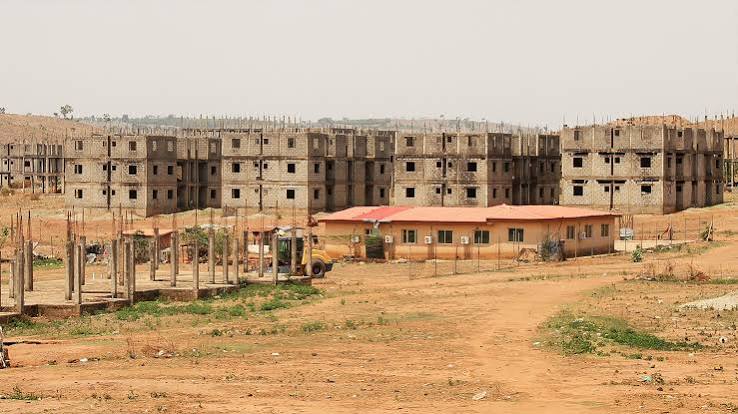
For Nigerian cities, sustainable development requires more than expanding roads and residential buildings. It also involves effective land-use planning, adequate drainage, reliable public infrastructure, environmental protection and access to affordable housing.
Coastal and riverine urban centres face additional pressures from flooding, shoreline erosion and other environmental threats, making climate-sensitive planning particularly important.
Daramola's call for innovative solutions places emphasis on the role of research, international cooperation and stronger institutional capacity in shaping cities that can serve present and future generations.
The proposed State of Nigerian Cities Report could provide an important evidence base for these efforts, although its eventual impact will depend on the quality of its findings and how effectively governments translate its recommendations into policies and practical interventions.
Atlantic Reports: Voices. People. Facts.
Written by
Atlantic Reports Admin
Comments
- Be the first to comment.