USOSA Calls for Collective Action to End Child Marriage
By Atlantic Reports
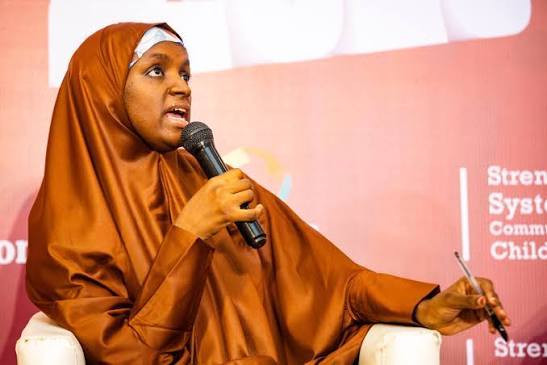
The Unity Schools Old Students Association (USOSA) has called for collective action to end child marriage, saying every girl deserves protection, quality education and the freedom to shape her future.
USOSA’s Vice President General, Chinedu Amure, made the appeal in a statement issued on Sunday to mark the International Day of the Girl Child.
The annual October 11 observance focuses this year on ending child marriage and investing in girls’ rights. United Nations
Amure said girls should have a childhood free from harmful practices, opportunities to learn and the chance to fulfil their potential.
“Ending child marriage requires collective action,” she said.
“As parents, educators, leaders and communities, we must protect our girls, defend their rights, invest in their education and create opportunities for them to thrive.”
Education and Freedom of Choice
Amure urged families and institutions to create an environment in which girls were educated, valued and protected from violence and discrimination.
“When we empower a girl, we do not just change her life; we help shape the future of our society,” she said.
Addressing girls directly, she encouraged them to embrace learning and remain confident in their abilities.
“To our girls, remember your dreams are valid, your voice matters, and your gender should never limit your potential,” she said.
“Believe in yourself, embrace learning and never allow your circumstances to define your future.”
USOSA is the umbrella alumni association for Nigeria’s Federal Unity Colleges, with members living in Nigeria and abroad.
Nigeria’s Progress Remains Uneven
Child marriage remains a significant challenge in Nigeria, despite evidence of declining prevalence.
A UNICEF-supported situation analysis published for 2024 reported that 30 per cent of women aged 20 to 24 had married before turning 18. It identified girls from the poorest households, rural communities and those with limited education as particularly affected. unicef.org
A separate UNICEF statement in 2024 cited more than 24 million girls and women who had married in childhood, placing Nigeria third globally by number. That ranking concerns the total number, rather than the proportion, of child brides. unicef.org
The distinction matters because prevalence measures the share of a specified population married before adulthood, while the total includes girls and women across different generations.
USOSA’s appeal places responsibility on adults and institutions to protect girls’ choices and sustain their education, alongside encouraging girls to pursue their ambitions.
Atlantic Reports: Voices. People. Facts.
Written by
Atlantic Reports Admin
Comments
- Be the first to comment.