Uzodinma Calls for Stronger Local Economies to Drive Nigeria’s Growth
By Atlantic Reports
Imo State Governor, Senator Hope Uzodinma, has called for stronger local economies across Nigeria, saying the country's long-term economic sustainability depends on expanding productivity, enterprise and employment opportunities at the grassroots.
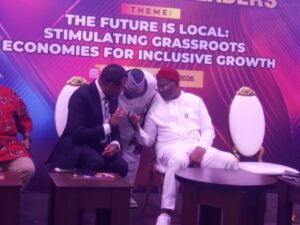
Uzodinma made the call on Friday while delivering the keynote address at the maiden Lagos Country Club Policy Dialogue with Government Leaders in Lagos.
The dialogue was themed “The Future is Local: Stimulating Grassroots Economies for Inclusive Growth”.
The governor argued that Nigeria's economic development should not be concentrated in major commercial centres, stressing that communities across the country's geopolitical zones must become stronger centres of production, investment and opportunity.
He observed that many people contributing to Lagos' economic growth originated from different parts of Nigeria, bringing with them knowledge, values, relationships and ambitions shaped by their communities.
“What would happen if the communities they come from became stronger centres of production, enterprise and opportunity?
“Our concern is about national productivity, economic resilience and shared prosperity,” he said.
Rural economies critical to national development
Uzodinma described local economies as economic activities operating below national aggregates, including agriculture, markets, workshops, small businesses and service industries.
He said the prosperity of Nigerians living outside major commercial centres depended largely on the strength and productivity of their local economies.
The governor also warned that economic inactivity in rural communities could worsen unemployment, migration and insecurity.
“When local economies sit idle, the consequences do not stay local. Young people leave for the big cities or stay behind with nothing productive to do.
“That idleness has a way of finding the wrong employers. Crime and insecurity feed on it,” he said.
He maintained that governments must establish the necessary foundations for economic development, while private investors provide capital to drive productive businesses, create employment and expand prosperity.
Policy must translate into tangible results
Earlier, the Chairman of the programme and former Managing Director of Grand Cereals Limited, Alex Goma, said policy formulation alone would not transform Nigeria's economy without effective implementation.
“Policy is a promise; execution is what keeps it,” Goma said.
He identified visionary leadership, functional institutions, willing private capital and active citizen participation as essential requirements for successful economic policy implementation.
His remarks highlighted the importance of ensuring that government development plans translate into measurable improvements in the lives of citizens and the operating environment for businesses.
Lagos Country Club advocates grassroots investment
In his opening remarks, the President of Lagos Country Club, Seyi Adewunmi, said the dialogue was designed to encourage fresh thinking about grassroots economic development.
He argued that Nigeria's economic future depended not only on government policies but also on the ability to translate them into practical opportunities for businesses and communities.
Adewunmi noted that the country's economic activities extended beyond Abuja, the Central Bank, oil terminals and national headlines.
He cited shoemakers in Aba, tailors in Yaba, traders in Onitsha, farmers in Benue and technology entrepreneurs in Lagos as examples of the diverse enterprises contributing to national economic activity.
“Small businesses carry nearly half of our national output and the overwhelming majority of our jobs,” he said.
He expressed optimism that the dialogue would generate practical ideas and strategic partnerships between government policymakers and private-sector operators.
Stakeholders examine Nigeria's economic future
Traditional rulers, politicians, industrialists and elected public office holders attended the policy dialogue.
The discussions placed grassroots productivity, private-sector participation and effective policy implementation at the centre of conversations about Nigeria's economic future.
However, translating these ideas into sustainable outcomes will require more than policy discussions. Access to finance, reliable electricity, infrastructure, markets, security and an enabling business environment remain important considerations for small enterprises and rural producers.
For communities outside major commercial centres, the real measure of progress will be whether stronger local economies translate into better livelihoods, more jobs and opportunities that allow people to prosper without leaving their communities.
Atlantic Reports: Voices. People. Facts.
Written by
Atlantic Reports Admin
Comments
- Be the first to comment.