Veterinary Expert Urges Animal Vaccination, Better Hygiene to Prevent Zoonotic Diseases
By Atlantic Reports
A veterinary doctor at the College of Agriculture, Bauchi, Markus Chongmovmi, has urged Nigerians to strengthen animal vaccination and personal hygiene practices to reduce the risk of zoonotic diseases.
Chongmovmi, who is also the Acting Head of the Department of Animal Health Technology at the institution, gave the advice in an interview in Bauchi on Tuesday.
He said animals could carry disease-causing organisms in their urine and faeces, creating potential health risks for people, particularly in communities with poor sanitation and inadequate environmental management.
He stressed that preventing infections required coordinated attention to human health, animal health and the environment.
Diseases that can spread between animals and humans
Chongmovmi identified several zoonotic diseases, including anthrax, brucellosis, bovine tuberculosis, rabies, toxoplasmosis, avian influenza, salmonellosis, leptospirosis and swine influenza.
He also listed cysticercosis, Japanese encephalitis, mpox, Ebola, schistosomiasis, fish tapeworm infection and Lyme disease among illnesses associated with animal or other zoonotic transmission pathways.
The veterinary expert said poor hygiene could increase exposure to infectious organisms, making clean surroundings, proper waste disposal and access to safe water important safeguards.
Using cholera as an example of a disease associated with inadequate sanitation, he said improved hygiene and access to clean water could significantly reduce transmission.
“If there is environmental hygiene, humans and animals can coexist in a relatively safe environment, while proper hygiene practices can reduce the risk of infection even when diseases are present,” he said.
Safe animal handling and food hygiene
Chongmovmi advised people who work with or regularly come into contact with animals to observe appropriate protective measures.
He recommended the use of face masks and gloves where necessary, alongside thorough handwashing after handling animals or coming into contact with animal waste.
He also highlighted the importance of milk hygiene, urging proper handling throughout collection, storage, transportation and consumption.
According to him, safe handling of milk and meat can reduce the risk of infections transmitted through contaminated animal products.
The advice is particularly relevant to livestock farmers, animal handlers, food vendors and households that keep domestic animals.
Government urged to strengthen animal management regulations
The veterinary doctor called for reduced unnecessary contact between humans and animals, while urging government authorities to review relevant laws governing animal handling and management.
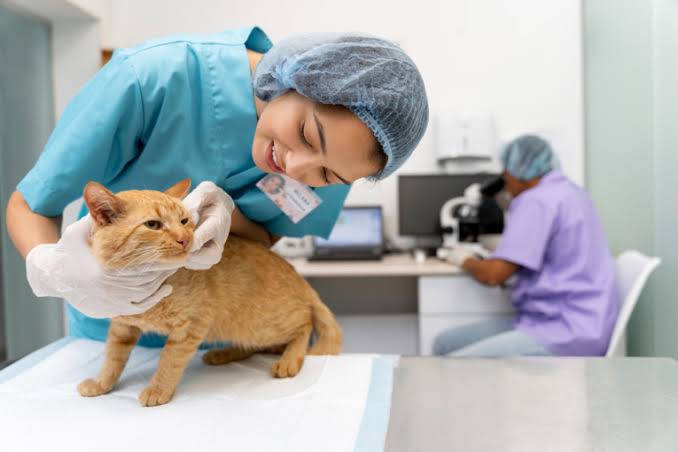
He also advised owners of domestic animals and pets to ensure they received routine vaccinations against preventable diseases.
Chongmovmi warned that negligence in animal care, environmental sanitation and personal hygiene could increase the likelihood of infections spreading between animals and people.
His recommendations highlight the importance of a coordinated public health approach that recognises the connection between people, animals and their shared environment.
Effective vaccination programmes, responsible animal ownership, safe food handling and improved sanitation remain important measures in reducing preventable health risks.
Atlantic Reports: Voices. People. Facts.
Written by
Atlantic Reports Admin
Comments
- Be the first to comment.