WAHO Urges ECOWAS States to Strengthen Health Workforce, Tackle Staff Shortages
By Atlantic Reports
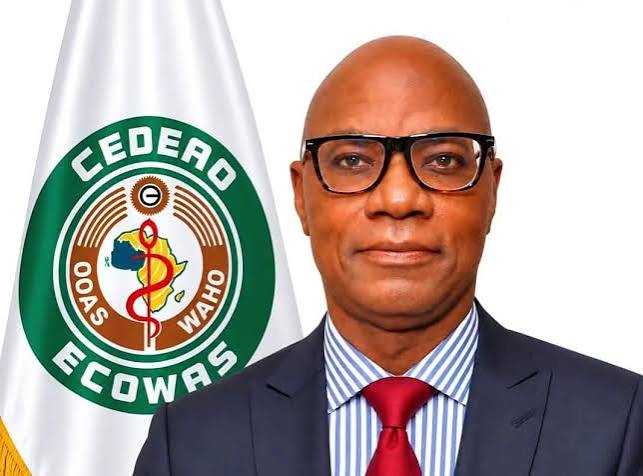
The Director-General of WAHO, Prof. Palokinam Pitche, made the call on Monday in Abuja during the 11th Statutory Meeting of the Regional Council for Health Professionals Education in the ECOWAS Region.
Pitche described qualified health professionals as essential to functional healthcare systems, warning that shortages and unequal distribution of personnel continued to limit access to quality medical services across member countries.
He said governments must urgently address the human resources crisis, noting that failure to do so could undermine efforts to achieve Universal Health Coverage (UHC) and the Sustainable Development Goals (SDGs).
WAHO Identifies Challenges Facing Health Workforce
The WAHO director-general identified inadequate training programmes, limited professional development opportunities, inter-professional conflicts and weak staff retention strategies as major challenges affecting the effective utilisation of healthcare personnel.
He added that political, social and economic crises had further weakened health workforce management, making it difficult for countries to provide equitable healthcare, particularly to vulnerable populations.
According to him, well-trained, motivated and fairly distributed health workers are critical to building resilient health systems and improving access to medical services.
Pitche stressed the importance of regional cooperation in professional training, workforce mobility, knowledge exchange, capacity development and joint research.
ECOWAS Moves Towards Harmonised Professional Qualifications
He explained that the Abuja meeting was expected to finalise proposals for the recognition and equivalence of health professionals' diplomas and certificates across the WAHO region.
Participants were also expected to conclude a regional action plan for training health professionals in priority areas to address workforce shortages among member states.
Pitche said WAHO would continue working with relevant organisations and development partners to implement regional decisions on professional training and capacity development.
He noted that the organisation had recorded progress in harmonising health training curricula, accreditation standards and the recognition of professional qualifications among English-, French- and Portuguese-speaking countries.
According to him, the initiative had created opportunities for countries operating different educational systems to collaborate on common healthcare challenges through improved professional training standards.
WAHO Plans Evaluation of Training Programme in 2027
The director-general announced that WAHO would begin an evaluation of its human resources development programme in 2027.
He said the exercise would assess achievements, identify implementation gaps and determine areas requiring improvement.
The evaluation is also expected to provide evidence on the progress made by member states and highlight challenges affecting the adoption of harmonised training curricula.
Pitche said the findings would strengthen engagements with political authorities and support decisions on improving health workforce development across the region.
He also commended WAHO officials and participating experts for organising the meeting despite regional health security concerns following the detection of an Ebola case in Nigeria.
He reaffirmed the organisation's commitment to supporting member states in strengthening disease surveillance, outbreak preparedness and responses to public health emergencies.
Health Colleges Seek Stronger Policy Implementation
Earlier, Prof. Yao Tettey, representing the West African Colleges, said postgraduate colleges had incorporated some of WAHO's harmonised training documents into their curricula and accreditation requirements.
However, he expressed concern that some regional policy documents requiring implementation at national levels had not received sufficient attention from relevant authorities.
Tettey urged WAHO to engage the ECOWAS Assembly of Health Ministers to encourage member countries to adopt and implement harmonised policies on health workforce training and retention.
He said effective implementation would promote the movement of qualified health professionals across the region, address unequal workforce distribution and help reduce migration outside West Africa.
Referring to the growing migration of Nigerian professionals, commonly described as the japa syndrome, he said the harmonised policies were designed to improve training standards, strengthen staff retention and address the movement of healthcare workers beyond the sub-region.
Tettey commended WAHO, the Nigerian Government and the West African College of Physicians for supporting the regional meeting.
Retaining Health Workers Remains a Regional Challenge
The discussions highlight a major challenge facing healthcare systems across West Africa: producing qualified professionals is only part of the solution if countries cannot distribute them equitably or create conditions that encourage them to remain in service.
The proposed regional recognition of professional qualifications could improve mobility and cooperation, but its effectiveness will depend on national adoption, implementation and sustained investment in healthcare training and working conditions.
For ECOWAS countries, the central task is to build health systems capable of training, attracting and retaining the professionals needed to provide accessible and quality healthcare.
Atlantic Reports: Voices. People. Facts.
Written by
Atlantic Reports Admin
Comments
- Be the first to comment.