WHO Recognises Barbados for Eliminating Mother-to-Child HIV Transmission
By Atlantic Reports
The World Health Organisation (WHO) has congratulated Barbados for eliminating mother-to-child transmission of HIV as a public health problem, making it the latest country to receive international recognition for achieving the milestone.
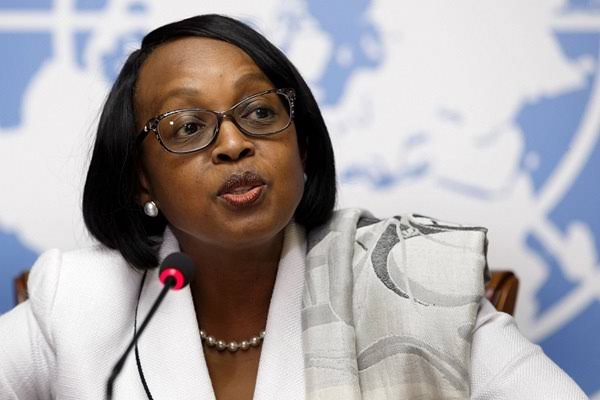
WHO Director-General, Dr Tedros Ghebreyesus, announced the achievement in a statement, commending Barbados for protecting children from HIV through sustained public health interventions and improved access to maternal healthcare.
He said the achievement demonstrated the importance of universal health coverage, including free healthcare services for pregnant women regardless of nationality, while protecting their rights and privacy.
“Barbados now joins 26 countries and territories worldwide recognised by WHO for eliminating mother-to-child transmission of HIV, syphilis or hepatitis B, or being on track to achieve it.
“Fifteen of the recognised countries and territories are in the Americas, making the region the global leader in eliminating mother-to-child transmission of these infections,” he said.
Assessment Confirms Significant Progress
According to Ghebreyesus, an independent assessment confirmed that Barbados had met global targets for eliminating mother-to-child transmission of HIV following sustained improvements in maternal healthcare services.
The assessment found that no new HIV infections resulting from mother-to-child transmission were reported among infants born in the country between 2022 and 2024.
It also established that:
-
98 per cent of pregnant women received antenatal care.
-
98 per cent of pregnant women underwent HIV testing.
-
98 per cent of pregnant women living with HIV received antiretroviral treatment.
The WHO chief attributed the achievement to longstanding collaboration between the Barbados Government, the Pan American Health Organisation (PAHO), WHO and other partners in strengthening HIV services, disease surveillance and healthcare delivery.
He said Barbados provides universal healthcare through public clinics and hospitals, with the Queen Elizabeth Hospital accounting for approximately 93 per cent of births in the country.
HIV testing and treatment are provided free to pregnant women regardless of nationality, while babies exposed to HIV receive early testing and follow-up care.
The assessment also found that HIV testing was voluntary and confidential, with no evidence of coercive reproductive health practices involving women living with HIV.
WHO Urges Continued Investment in Maternal Healthcare
Despite the achievement, Ghebreyesus stressed that maintaining the elimination status would require continued investment in healthcare services.
He called for updated medical guidelines, stronger health information systems and improved follow-up care for women and children.
He also recommended expanding integrated HIV and syphilis testing to sustain progress and strengthen maternal and child health services.
According to him, maintaining access to affordable testing and treatment would remain essential to preventing new infections and protecting future generations.
PAHO, UNICEF and UNAIDS Commend Barbados
The Director of PAHO and WHO Regional Director for the Americas, Dr Jarbas Barbosa, said the achievement demonstrated how accessible and quality healthcare could prevent HIV transmission.
He noted that the milestone meant children could be born free of HIV while women living with the virus could access the treatment and care needed to protect their health.
Barbados' Minister of Health and Wellness, Ms Lisa Cummins, described the achievement as historic, saying it would enable children to enjoy healthier lives while ensuring that mothers received appropriate treatment during pregnancy.
She said the recognition reflected the country's commitment to improving population health and joining other nations that had achieved the same public health milestone.
UNICEF Regional Director for Latin America and the Caribbean, Mr Robert Benes, also welcomed the development.
He said an HIV diagnosis during pregnancy no longer had to result in infection of the child, noting that the achievement demonstrated the importance of ensuring that testing, treatment and care reached women and families who needed them.
Similarly, UNAIDS Regional Director for Latin America and the Caribbean, Luisa Cabal, commended healthcare workers, people living with HIV, civil society organisations and political leaders for their contributions.
She said the recognition reflected political commitment, technical and community leadership, and investment in integrated healthcare services based on human rights and gender equality.
Cabal also acknowledged PAHO's leadership and the contributions of national and regional partners.
Barbados Joins Growing List of Recognised Countries
According to Cabal, Barbados follows recent recognitions involving the Bahamas and Turks and Caicos in 2026, Brazil in 2025, and Jamaica and Saint Vincent and the Grenadines in 2024.
The growing number of recognised countries reflects progress in preventing infections transmitted from mothers to their children through improved screening, treatment and maternal healthcare.
Lessons for Maternal and Child Healthcare
Barbados' achievement highlights the importance of making HIV testing and treatment accessible to pregnant women without discrimination.
It also demonstrates how early diagnosis, consistent antiretroviral treatment, confidential healthcare services and newborn follow-up can help prevent mother-to-child transmission.
For African countries, where significant gaps in HIV diagnosis and treatment remain, the development offers an important public health example of the value of sustained investment in maternal healthcare.
Maintaining such progress will require governments to strengthen primary healthcare, eliminate barriers to testing, ensure reliable access to essential medicines and protect the dignity and rights of women living with HIV.
Atlantic Reports: Voices. People. Facts.
Written by
Atlantic Reports Admin
Comments
- Be the first to comment.