WHO Reports Over 10,000 Bundibugyo Virus Disease Cases in DR Congo
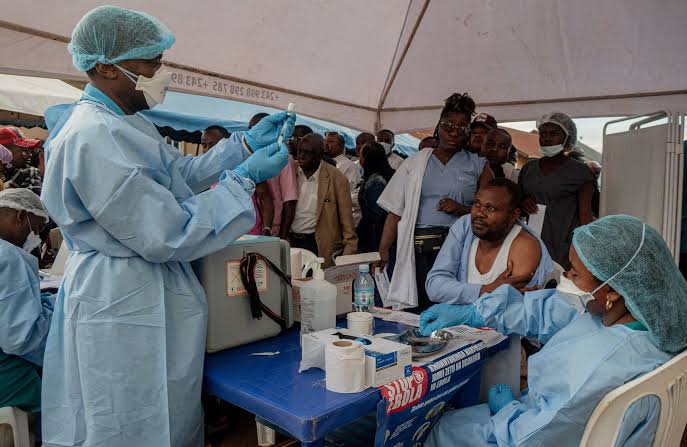
By Atlantic Reports
WHO Regional Director for Africa, Dr Mohamed Janabi, disclosed the figures in a statement posted on his official X account on Tuesday, adding that more than 2,600 people had recovered from the disease.
Despite the scale of the outbreak, Janabi expressed optimism about the prospects of controlling its spread, citing progress in the development of vaccine and treatment candidates through ongoing clinical trials.
He said efforts were continuing across affected areas to strengthen laboratory testing, treatment capacity, infection prevention and control, disease surveillance and community engagement.
According to Janabi, these interventions were intended to support the response, interrupt transmission and reduce further infections and deaths.
WHO Strengthens Outbreak Response
Janabi said WHO teams were working with the DRC government and other partners to coordinate public health interventions and improve the response to the outbreak.
He emphasised that sustained commitment, community trust, solidarity and safe access to affected communities were essential to containing the disease.
The response also depends on the ability of health workers to identify cases promptly, protect themselves and others from infection, and ensure that affected people receive appropriate care.
Vaccine and Treatment Research Offers Hope
The development of vaccine and treatment candidates represents a potential step towards improving the response to Bundibugyo virus disease. However, candidates undergoing clinical trials must be evaluated for safety and effectiveness before their benefits can be established.
Bundibugyo virus disease is a severe illness caused by Bundibugyo virus, one of the viruses responsible for Ebola disease. It can cause fever, weakness, gastrointestinal symptoms and, in severe cases, bleeding and organ complications.
The reported recovery figures offer a measure of progress, but the overall trajectory of the outbreak will depend on continued surveillance, effective case management and the prevention of further transmission.
WHO has stressed the importance of maintaining coordinated efforts to protect vulnerable populations and bring the outbreak under control.
Atlantic Reports: Voices. People. Facts.
Written by
Atlantic Reports Admin
Comments
- Be the first to comment.