WHO Warns Ebola Outbreak Requires Urgent Regional Response
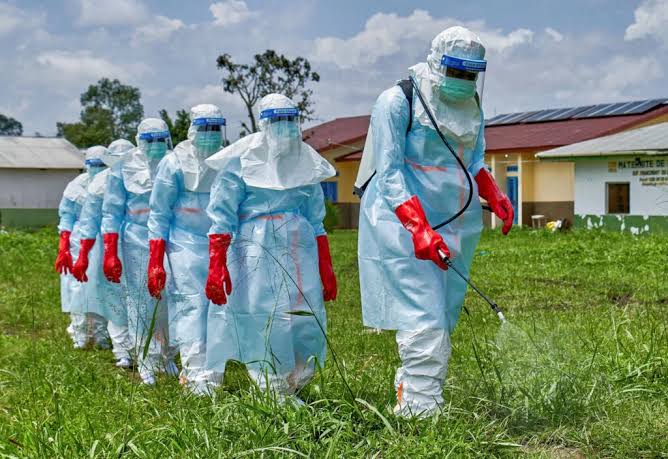
By Atlantic Reports
The World Health Organisation (WHO) has called for urgent collective action against Ebola, warning that the outbreak requires a coordinated regional response as health authorities confront reported infections across parts of Central, Eastern and Western Africa.
WHO Regional Director for Africa Mohamed Yakub Janabi said the movement of people across borders and gaps in health systems made cooperation between countries essential.
“Ebola does not wait. It follows movement, exploits gaps, and tests the strength of our health systems,” Janabi said during an online press briefing.
“Today, the test is no longer confined to one place,” he added, calling for greater regional vigilance and a united response.
The warning comes amid reports of cases in the Democratic Republic of the Congo (DRC), Kenya and Nigeria. However, the figures and outbreak classifications in the supplied account require careful verification before publication, particularly given the serious public health implications.
Cases reported across several countries
Nigeria confirmed an imported case of Bundibugyo virus disease on 20 October, according to the WHO. The patient, a woman with a recent travel history to Uganda, was isolated and receiving medical care. Authorities had identified 44 contacts for monitoring, with investigations continuing into the source of infection and the patient’s movements.
Kenya has reported nine confirmed cases, including one death. The cases have been linked to the initial patient who travelled from the DRC through Uganda. Health authorities have been tracing contacts and monitoring people exposed to the virus.
In the DRC, the outbreak has expanded to eight provinces. The WHO’s situation report dated 19 October recorded 9,637 confirmed cases and 4,646 confirmed deaths, giving a crude case fatality ratio of 48.2 per cent. These figures are dated and may change as investigations continue.
Janabi expressed particular concern about deaths occurring outside treatment centres, which can indicate delays in detecting infections and accessing medical care.
Vaccine availability remains a challenge
Kenyan authorities have reportedly requested 10,000 vaccine doses to help protect frontline health workers. However, the WHO says there are currently no licensed vaccines or approved treatments specifically for Bundibugyo virus disease. Research into candidate vaccines and investigational treatments is continuing.
The reported request therefore requires clarification about which vaccine is being sought and whether it is suitable for this virus strain.
African countries urged to coordinate response
The Africa Centres for Disease Control and Prevention has called for stronger regional coordination as the outbreak crosses national borders. According to the supplied account, the agency plans to convene an extraordinary virtual meeting of African health ministers on 28 October to coordinate the response.
The outbreak was declared in the DRC on 15 May 2026. The WHO subsequently designated it a public health emergency of international concern, while Africa CDC declared a public health emergency of continental security.
The spread across multiple countries highlights the importance of rapid diagnosis, contact tracing, infection prevention in healthcare facilities and cooperation between neighbouring states.
For Nigeria, the immediate priorities include monitoring identified contacts, supporting the patient’s care, strengthening surveillance and ensuring health workers can recognise and safely manage suspected cases.
The outbreak’s trajectory will depend partly on how quickly health authorities identify infections, interrupt transmission and maintain public trust in response measures.
Atlantic Reports: Voices. People. Facts.
Written by
Atlantic Reports Admin
Comments
- Be the first to comment.