Writers, Artists Urge Nigeria to Integrate Indigenous Knowledge into Sustainable Development
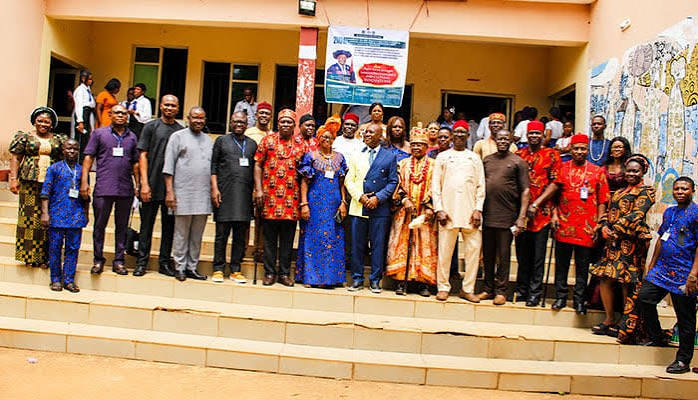
By Atlantic Reports
The call was made during a discussion on cultural heritage and contemporary development held on the sidelines of the CANEX WKND 2026, organised by the African Export-Import Bank (Afreximbank) from November 5 to 8.
The speakers argued that traditional knowledge should not be treated merely as a cultural inheritance but as a resource for addressing modern challenges, from climate-sensitive construction to the preservation of African identities in digital technology.
Indigenous architecture offers lessons for modern cities
Nigerian historian and writer Pelumi Olatunji urged urban planners, policymakers and property developers to incorporate indigenous architectural knowledge into contemporary construction.
He said traditional building methods offered useful lessons in natural ventilation, insulation and climate-responsive design, which could support healthier living environments and reduce the environmental impact of buildings.
Olatunji called for construction practices that respond to local environmental conditions rather than relying on designs that may be unsuitable for Nigeria's climate.
His position raises a broader question for urban development: how can traditional architectural knowledge be adapted to modern building standards, population growth and the demand for affordable housing?
African historical data critical to fairer AI systems
Artist and filmmaker Malik Afegbua highlighted the underrepresentation of African historical and cultural materials in datasets used to train artificial intelligence systems.
He argued that limited representation of the Global South could contribute to stereotypical portrayals of African people, communities and cultures in AI-generated content.
Afegbua called for greater investment in indigenous data collection, oral history documentation and archival infrastructure.
He also emphasised the responsibility of African creators to preserve cultural memory and make historical materials accessible to younger generations.
His comments point to the importance of ensuring that African communities have a stronger role in documenting, organising and contributing their cultural knowledge to emerging technologies.
Traditional environmental practices should inform policy
Nigerian writer Abdulazeez Shomade advocated the integration of indigenous environmental practices into public policy and urban planning.
He said traditional African communities had developed approaches to living alongside nature, with an emphasis on preservation rather than uncontrolled exploitation.
Shomade urged policymakers to document indigenous environmental laws and practices and consider how they could be incorporated into formal governance and conservation frameworks.
He also advised Nigeria to examine international environmental protection models while adapting relevant lessons to local conditions instead of adopting foreign approaches wholesale.
The proposal highlights the need to establish how indigenous conservation practices can work alongside modern environmental regulations, scientific research and enforcement systems.
Digital platforms create new opportunities for filmmakers
Filmmaker and writer Taiwo Egunjobi encouraged Nigerian filmmakers to explore digital distribution platforms as alternative routes to reaching audiences and generating revenue.
He said platforms such as TikTok, Instagram and specialised streaming services were creating opportunities for filmmakers to distribute and monetise productions beyond conventional channels.
Egunjobi cited his film, A Green Beaver, which premiered at the African International Film Festival in 2023 and continued generating revenue through airline distribution as of 2025.
He also referenced his 2019 film, Univano, which he said continued to earn income through Quedi TV.
He urged filmmakers to research alternative distribution arrangements and develop compelling African stories for digital audiences.
Egunjobi further called for the decentralisation of film production to create opportunities for creative businesses and support local economies beyond Lagos.
Preserving heritage while building for the future
The discussion brought together different perspectives on the relationship between cultural identity and contemporary development.
From architecture and environmental governance to artificial intelligence and film distribution, the speakers argued that African societies could draw on indigenous knowledge while adapting to technological and economic change.
However, turning these ideas into practical outcomes will require investment in archives, research, cultural institutions, creative infrastructure and policies that support local expertise.
The challenge is not simply to preserve the past, but to ensure that African knowledge and experiences contribute meaningfully to decisions shaping the continent's future.
Atlantic Reports: Voices. People. Facts.
Written by
Atlantic Reports Admin
Comments
- Be the first to comment.