Katsina Invests in Family Planning to Improve Maternal Health
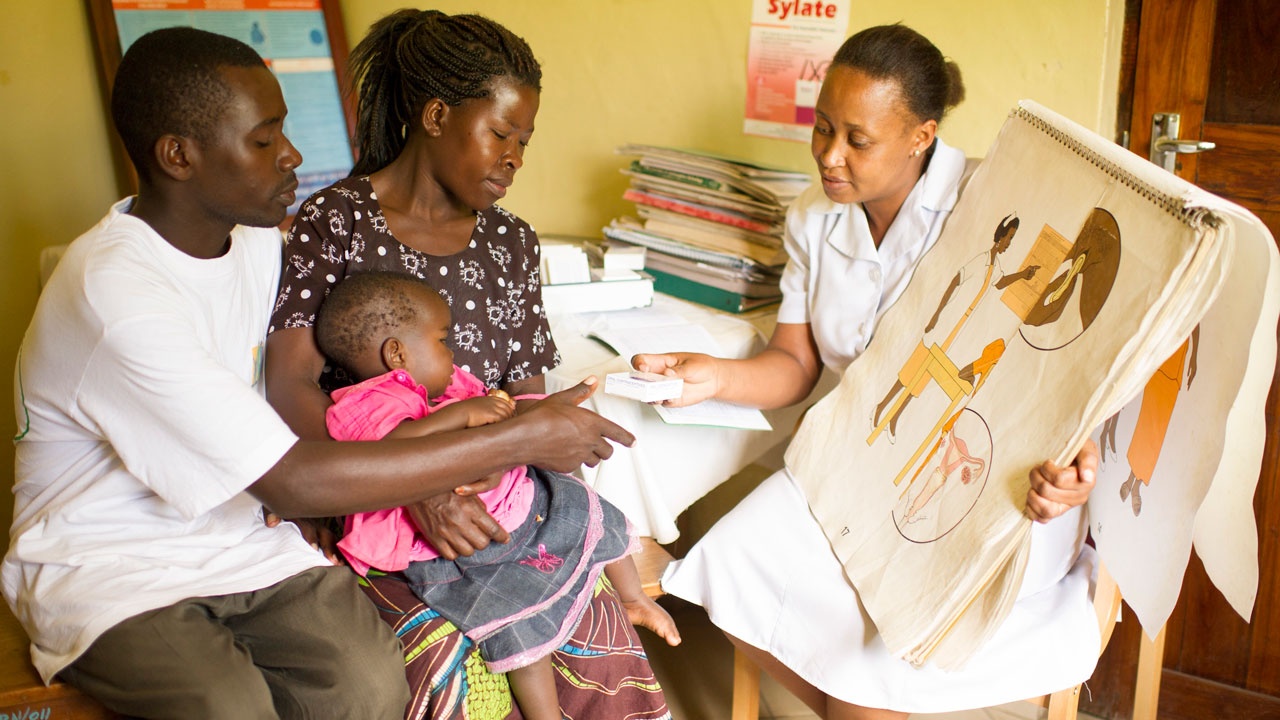
The Katsina State Government says it is strengthening family planning services and improving access to contraceptive commodities in an effort to reduce maternal and child mortality across the state.
The State Commissioner for Health, Mr Musa Adamu-Funtua, disclosed this on Monday at a press briefing in Katsina held to commemorate World Family Planning Day.
Low Contraceptive Prevalence Highlighted
Adamu-Funtua said the government recognises family planning as a key component of maternal and child health, nutrition, and overall family wellbeing. He cited the 2024 Nigeria Demographic and Health Survey (NDHS), which found that modern contraceptive prevalence among married women in Katsina State stood at about 6.7 per cent, with the prevalence of all family planning methods combined at roughly 7.7 per cent — figures he said point to the need for greater investment in awareness, service delivery, and commodity availability.
Government Strengthening Procurement and Funding
The commissioner said the government is taking steps to strengthen the procurement system for family planning commodities and ensure their availability at health facilities across the state. According to him, the state is also allocating dedicated funds for family planning and improving its data management system to better identify areas experiencing commodity shortages.
He said these measures are aimed at ensuring that women and families have access to quality family planning information and services whenever needed, adding that strengthening family planning would significantly improve maternal and child health outcomes while promoting healthier families across the state. Adamu-Funtua called on relevant stakeholders to support the government's efforts by raising awareness and addressing misconceptions surrounding family planning.
Experts Stress Collective Responsibility
Also speaking, Dr Musa Abdullahi-Sufi of the Access to Medicine Initiative and Sustainable Innovation and Development Solutions said the success of family planning programmes depends on collective effort. He noted that government, communities, civil society organisations, traditional and religious leaders, and the media all have important roles to play in promoting family planning.
Abdullahi-Sufi stressed the importance of birth spacing, explaining that it contributes to better health outcomes for both women and children, as well as improved household nutrition. He commended the state government for taking steps to provide dedicated funding for the procurement of family planning commodities through the state budget, noting that the move would help reduce Katsina's dependence on commodities supplied by the Federal Government and development partners.
He urged stakeholders to sustain advocacy and community engagement efforts to increase the acceptance and utilisation of family planning services across Katsina State.
Written by
Atlantic Reports Admin
Comments
- Be the first to comment.