Oyedele Says Economic Stability Must Deliver Jobs and Better Lives
By Atlantic Reports
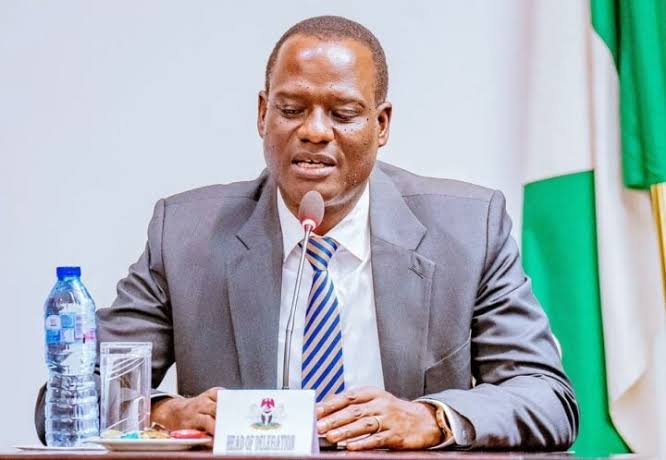
Chairman of the Intergovernmental Group of Twenty-Four (G-24), Taiwo Oyedele, has said economic stability must provide a foundation for job creation and improved living standards, supported by deliberate policies that spread the benefits of growth.
Speaking on Tuesday at a G-24 news briefing during the 2026 IMF/World Bank Meetings in Bangkok, Oyedele argued that stabilising economies and expanding employment were complementary objectives.
“Stability itself is the foundation upon which you can build the growth and prosperity that you want for your people,” he said.
His remarks focused on how developing countries can pursue economic reforms while protecting households and creating opportunities, particularly for young people.
Planning for AI and employment
Oyedele said artificial intelligence could have significant consequences for employment in developing countries with large youth populations.
He called for deliberate planning around its adoption and regulation to ensure that technological advancement did not translate into greater unemployment.
The responsibility, he said, extended beyond the World Bank and International Monetary Fund to governments and other stakeholders.
“This is a collective responsibility for all of us to ensure that growth is not just for the sake of growth. It has to be inclusive, and must be able to translate to better living standards for our people,” he said.
The briefing did not set out specific employment safeguards, training programmes or regulatory proposals. His intervention was a call for coordinated policy action rather than an announcement of new measures.
Balancing taxation and borrowing
On public financing, Oyedele urged governments to weigh the effects of taxation against the future obligations created by borrowing.
He said excessive taxation could weaken vulnerable households’ ability to pay for food, healthcare and education, while borrowing carried repayment commitments that governments would eventually have to meet.
Citizens’ welfare, he argued, should guide both choices.
“If you put people always at the centre of your policies, you will not be perfect, but you are likely to strike a balance that works and is sustainable,” he said.
For households, that balance concerns both the immediate burden of raising public revenue and whether the money finances services and opportunities that improve their lives.
Climate action without deeper poverty
Oyedele also called for greater international support to help African countries pursue development while limiting carbon emissions.
He argued that developed countries should support poorer economies, given Africa’s relatively small contribution to global emissions.
Climate policies, he said, should neither obstruct economic development nor deepen poverty.
“We do not want a clean world with hungry people. So this balance again requires collective action from all of us,” he said.
He stressed that international cooperation was necessary to make climate action compatible with development. No new funding commitment or allocation to African countries was announced in the supplied account.
The Director and Head of the G-24 Secretariat also emphasised that macroeconomic stability should complement policies supporting employment, infrastructure and structural reform.
The G-24 coordinates developing and emerging-market countries’ positions on international monetary and development issues.
The discussion placed household welfare at the centre of those debates. Its practical significance will depend on whether economic stability is matched by accessible public services, productive employment and policies that protect people facing hardship.
Atlantic Reports: Voices. People. Facts.
Written by
Atlantic Reports Admin
Comments
- Be the first to comment.