Regional Commissions Are Partners, Not Rivals to States, Says Ahmadu
By Atlantic Reports
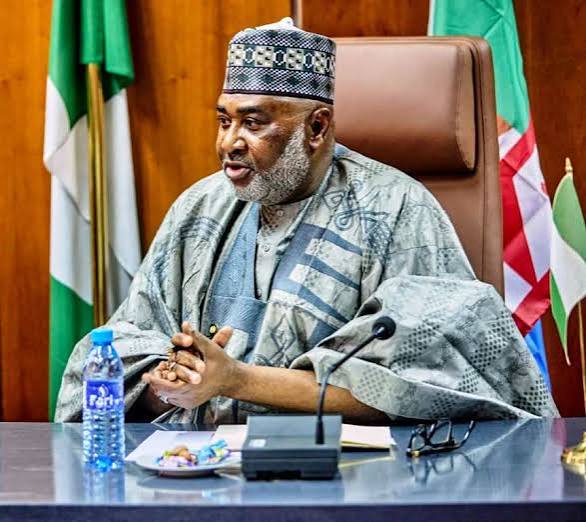
Minister of State for Regional Development, Uba Ahmadu, has said regional development commissions are intended to complement state and local governments, amid concerns about overlapping projects and responsibilities.
Speaking in an interview on Sunday in Abuja, Ahmadu said the commissions would address development gaps through interventions shaped by each region’s needs.
“The commissions are not coming in as competitors of state governments or local governments, no,” he said.
He explained that the ministry engages governors to assess needs and identify priority projects, with local government needs channelled through state governments.
Coordination and Local Priorities
Ahmadu said President Bola Tinubu established the Federal Ministry of Regional Development in October 2024 to coordinate development commissions and formulate regional development policies.
He said the approach was designed to respond to differing challenges across the country rather than apply the same interventions everywhere.
According to the minister, the South East Development Commission would focus on industrialisation, economic development, infrastructure and deep gully erosion.
The North-East, he said, required continued interventions to address displacement and damage to schools, healthcare facilities, roads and other infrastructure caused by the Boko Haram insurgency.
Other regions would pursue priorities reflecting their circumstances.
Niger Delta’s Distinct Mandate
Ahmadu traced the establishment of the Niger Delta Development Commission (NDDC) to demands for action on environmental degradation associated with oil exploration, including damaged farmlands and polluted waters.
He described the NDDC as a special commission with a distinct mandate, separate from the six regional development commissions.
Although the commissions have different responsibilities, he said their shared objective was to improve living conditions through development.
Policy Awaits Approval
The minister said a policy document had been developed following consultations across the country, allowing Nigerians to contribute ideas and identify regional needs.
He said the document had been presented to the National Economic Council, chaired by Vice-President Kashim Shettima, and was awaiting Federal Executive Council approval.
The proposed policy would guide the ministry’s work and provide a framework for coordinating the commissions.
The interview did not detail how the framework would prevent duplicate projects, resolve overlapping responsibilities or provide communities with direct channels to influence project selection.
These arrangements will matter in determining whether coordination produces additional services and infrastructure rather than repeated expenditure on the same priorities.
“No governor is an enemy of development,” Ahmadu said, maintaining that the commissions would assist state governments without taking over their constitutional responsibilities.
He said the government’s objective was to extend development to the grassroots. Delivery will depend on how regional priorities are translated into projects that respond to community needs and complement existing public services.
Atlantic Reports: Voices. People. Facts.
Written by
Atlantic Reports Admin
Comments
- Be the first to comment.